
Beautiful Plants For Your Interior
Beautiful Plants For Your Interior
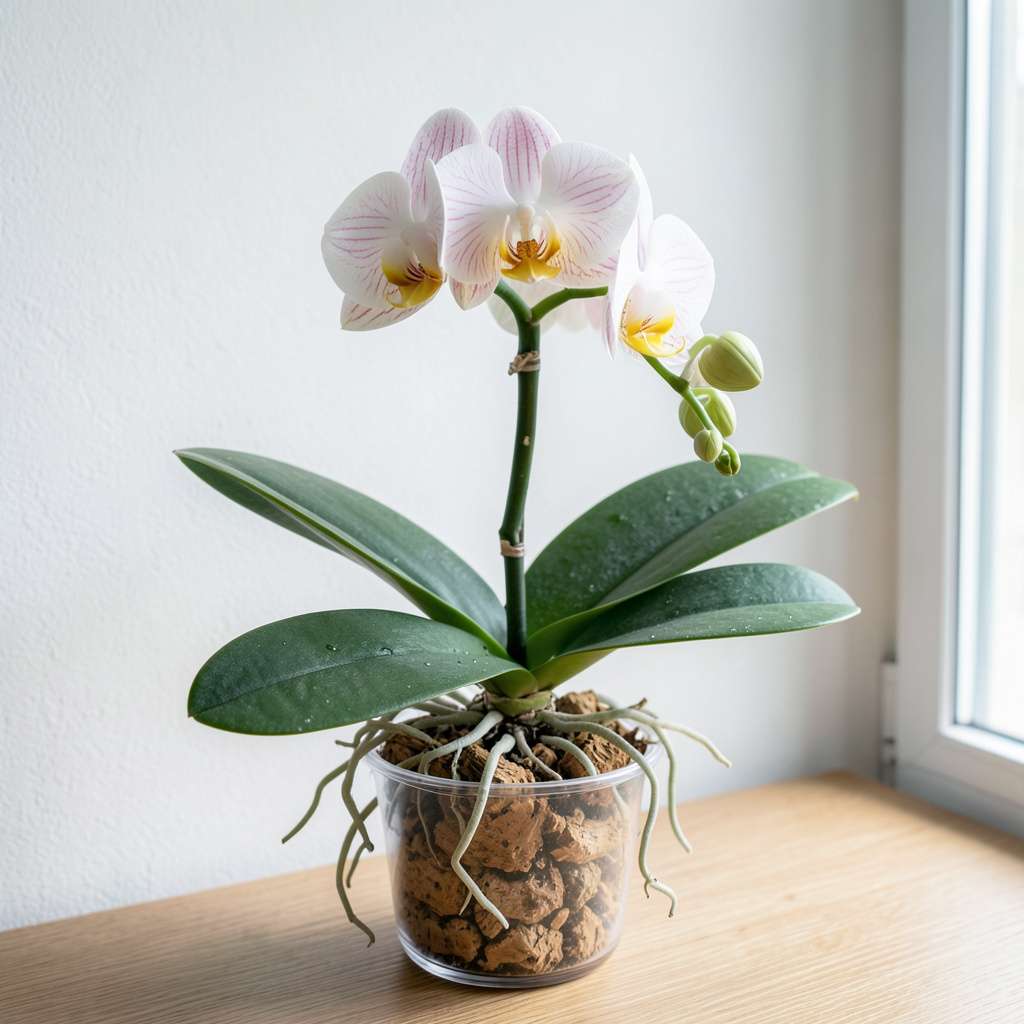
Orchid roots don’t require light but need proper drainage and airflow. Indirect light benefits the plant itself, while roots absorb moisture and nutrients from the environment.
Understanding orchid care is crucial for maintaining vibrant plants. 🌱 While the roots themselves thrive without direct sunlight, they play a vital role in moisture and nutrient absorption. It’s fascinating how these roots are designed to collect water and nutrients from their surroundings, often in humid environments. Additionally, providing indirect light helps the leaves perform photosynthesis, supporting overall plant health without stressing the roots.
Monitoring the condition of your orchid roots can also indicate their health. Healthy roots appear firm and greenish, while unhealthy ones may be brown or mushy. I recommend ensuring your potting medium allows for excellent drainage, as waterlogged conditions can lead to root rot. 🌿
💡 In This Article
It’s important to recognize that orchid roots themselves do not need light for photosynthesis; this crucial process occurs in the leaves. The roots are specifically adapted to function in environments where they can absorb moisture and nutrients from the air and surrounding materials. 🌱
In their natural habitats, many orchids grow as epiphytes, meaning they live on other plants rather than in soil. This unique adaptation allows their roots to collect humidity and nutrients from the air and debris around them.
They thrive in indirect light, which benefits the leaves while keeping the roots safe from direct sunlight, preventing desiccation. 🌿
Indirect light plays a pivotal role in overall plant health. While roots focus on moisture absorption, leaves require light for photosynthesis to produce the sugars necessary for growth. Maintaining a balance of indirect light helps support this process without compromising root vitality. 🌞
To ensure your orchids flourish, consider the type of potting medium you use. A well-draining mix, often composed of bark or sphagnum moss, is essential to prevent waterlogging. Healthy roots should feel firm and have a vibrant green hue, indicating they are functioning optimally. If roots turn brown or mushy, it’s a sign of trouble.
🚫
Monitoring your orchid’s root health is crucial for successful care. Regularly check the moisture level of your potting medium and adjust watering schedules accordingly. Healthy roots may also develop air pockets that allow for optimal airflow, further supporting their health and longevity. 🌬️
In summary, while orchid roots don’t require light, they thrive in conditions that promote proper moisture and airflow. Understanding these dynamics can lead to healthier orchids and more vibrant blooms in your garden. Happy gardening! 🌼
