
Beautiful Plants For Your Interior
Beautiful Plants For Your Interior
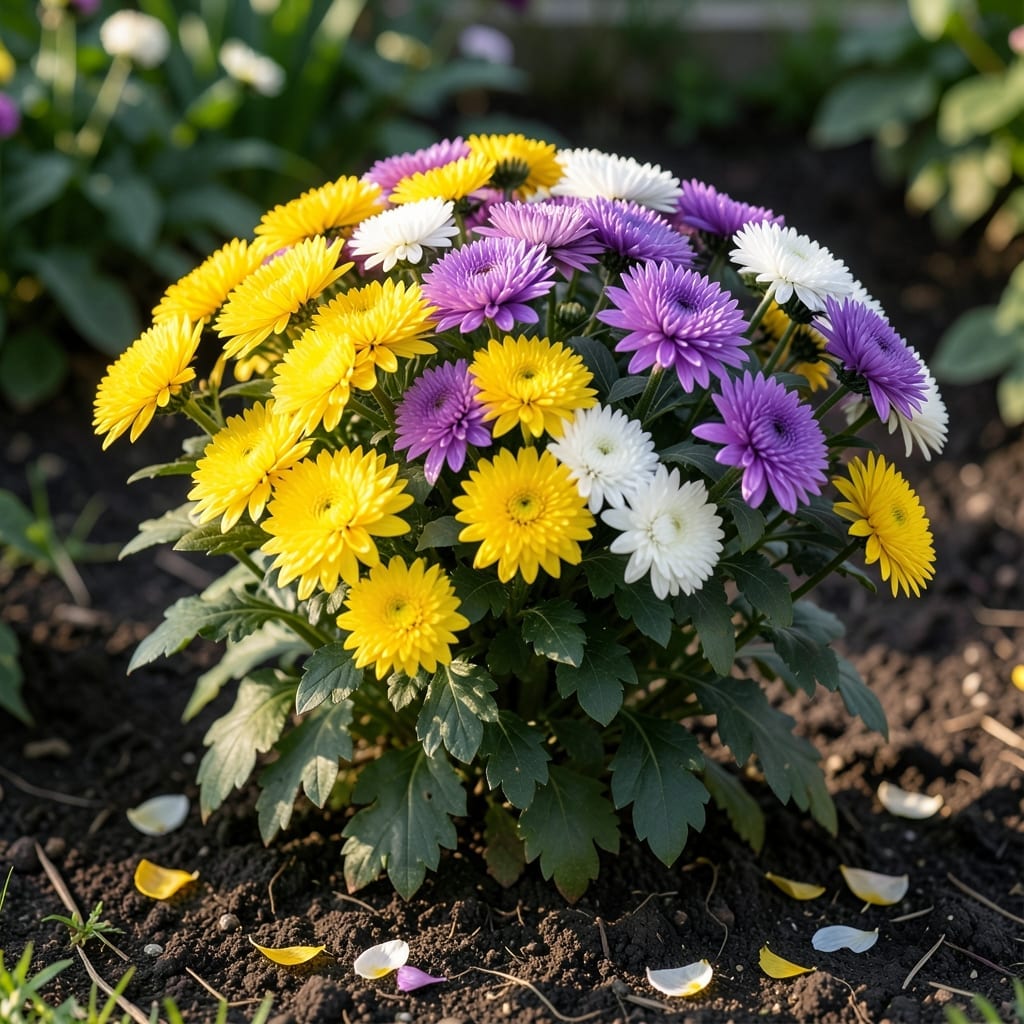
Chrysanthemums, or mums, can brighten any garden with their vibrant blooms, but their success hinges on one critical question: do they thrive in sun or shade? Getting this right means the difference between lackluster and spectacular flowers.
The 🌼 Chrysanthemum actually prefers full sun for at least 6 hours daily. This exposure fuels those rich, long-lasting blooms we all love.
I’ll show you how to position your mums for maximum impact, whether in garden beds or containers. Let’s make your fall garden the envy of the neighborhood.
 Best Window Placement
If you want your mums to thrive, full sun is the golden rule. These hardy perennials need at least 6 hours of direct sunlight daily to produce their signature vibrant blooms. Anything less, and you risk weak stems and sparse flowers.
I’ve found that garden mums perform best with morning sun and some afternoon shade in scorching climates. But in cooler zones, they’ll soak up every ray they can get. The more sun, the more spectacular the display come fall.
🌼 Mum Sunlight Requirements
| Condition | Specification |
|---|---|
| Ideal Light | Full sun (6+ hours) |
| Minimum Sun | 4-6 hours |
| Shade Tolerance | Low (leggy growth) |
| Best For Blooms | Morning sun + afternoon light |
| Florist Mums | Bright indirect light |
Florist mums, sold as potted gifts, are a bit different. They’re bred for indoor conditions and prefer bright indirect light. Too much direct sun can scorch their leaves, while too little leads to weak, pale blooms.
For garden mums, I always recommend planting them where they’ll get unfiltered sunlight until at least noon. This ensures sturdy growth and those rich, deep colors we love. In hotter regions, a little afternoon shade can prevent wilting.
If your garden only offers partial shade, don’t despair. Mums can survive with 4-6 hours of sun, but expect fewer blooms and taller, leggier plants. They’ll still put on a show, just not as spectacular as their sun-drenched counterparts.
I’ve noticed that dwarf varieties are slightly more shade-tolerant. They’re a great choice for borders or containers on shaded patios. But even these perform best with as much light as possible.
Remember, light quality matters too. A spot with dappled shade from a high tree canopy is better than deep shade from a north-facing wall. The more direct light your mums receive, the better they’ll bloom.
For the best results, observe your garden’s light patterns. East-facing beds offer gentle morning sun, while west-facing spots get hot afternoon rays. South-facing locations provide the most consistent light throughout the day.
In my experience, mums planted in full sun not only bloom more abundantly but also have stronger stems that resist flopping. They’re also more resistant to pests and diseases, which can be a problem in damp, shady conditions.
So, if you’re wondering do mums like sun or shade, the answer is clear: give them sun, and they’ll reward you with a stunning autumn display ☀️
Even with the best intentions, mums can struggle if their light needs aren’t met. One of the first signs is leggy growth, where stems stretch tall and thin as they reach for more light. This often happens in shady spots.
Another red flag is poor blooming. If your mums produce few or small flowers, they’re likely not getting enough sun. I’ve seen this happen when they’re tucked under trees or along north-facing walls.
⚠️ Warning: Light Stress in Mums
Leggy Growth: Stems stretch thin toward light sources in shade.
Leaf Scorch: Brown edges appear with too much hot afternoon sun.
Fewer Blooms: Sparse flowers signal insufficient sunlight.
Wilting: Drooping in extreme heat or deep shade.
On the flip side, leaf scorch can occur with too much intense sun. You’ll notice brown, crispy edges on leaves, especially in hot climates. This is common in afternoon sun without adequate water.
If your mums are wilting despite regular watering, check their light. Too much heat can cause stress, while too little light weakens the plant. I always recommend moving pots to test different spots in your garden.
Yellowing leaves can also indicate light issues. Pale yellow leaves often mean too much shade, while dark spots might signal sunburn. Finding the balance is key for vibrant, healthy mums.
Finally, if your mums lean heavily in one direction, they’re stretching toward the light. Rotate containers regularly or choose a sunnier spot to keep them upright and balanced.
With a little observation, you’ll find the perfect light balance for your mums to thrive 🌼