
Beautiful Plants For Your Interior
Beautiful Plants For Your Interior
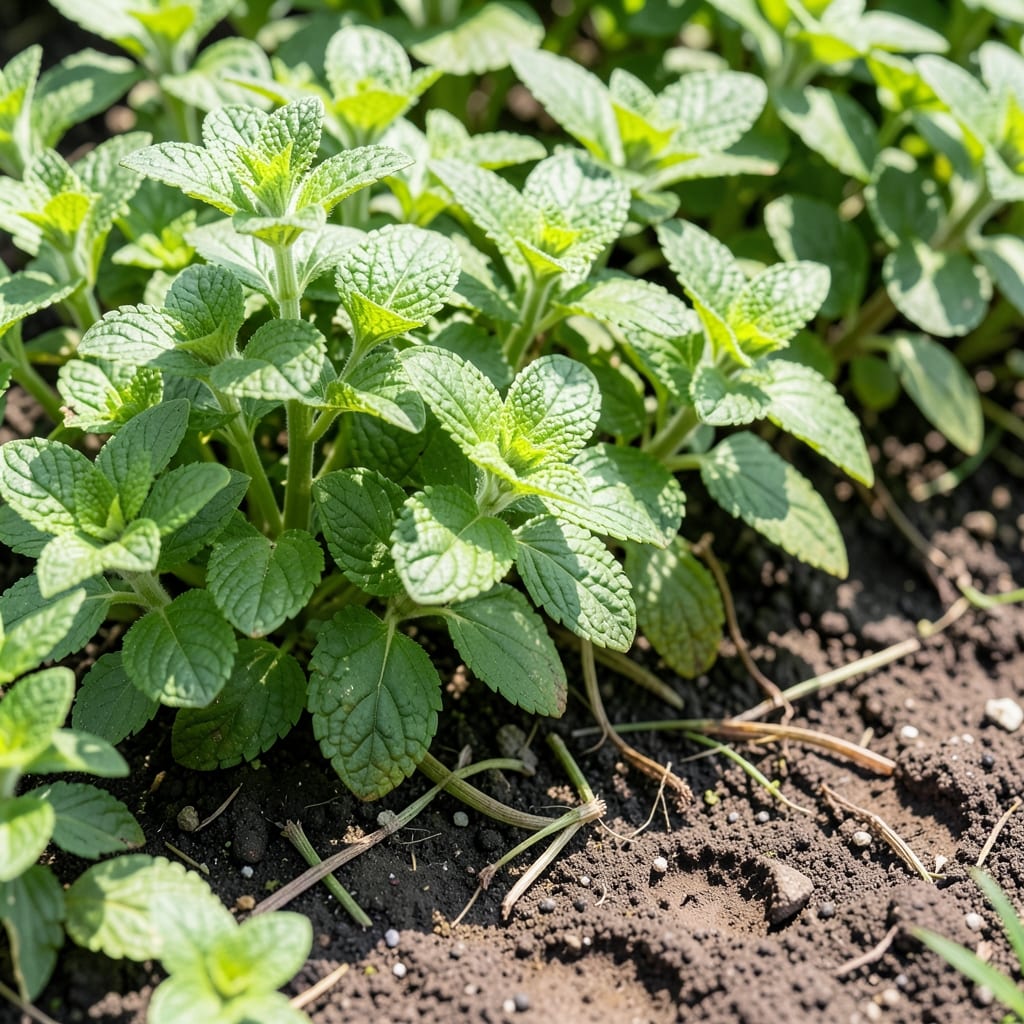
Mint leaves can deter mice due to their strong scent, which rodents find overwhelming. However, effectiveness varies and it works best as a supplementary measure rather than a standalone solution.
The active compound menthol in mint disrupts their sensitive olfactory system, creating an uncomfortable environment. I’ve seen this method work particularly well in enclosed spaces like pantries or basements where air circulation is limited. For best results, refresh the leaves every 2-3 days as the scent fades. ✨
💡 In This Article
The secret lies in mint’s primary active compound: menthol. This organic compound triggers an intense reaction in rodents’ highly developed olfactory systems, which are up to 10,000 times more sensitive than human noses. Mice rely on scent for survival, using it to locate food, detect predators, and navigate their environment. 🔥
When exposed to menthol’s sharp aroma, mice experience sensory overload. Their brains interpret the strong scent as a potential threat or toxic substance, triggering an avoidance response. Studies show rodents will actively avoid areas with concentrations as low as 0.1% menthol in the air, demonstrating how potent this natural deterrent can be. ✨
This isn’t just about discomfort—it affects their behavior at a biological level. The menthol molecules bind to specific receptors in their nasal passages, creating a burning sensation that’s physically unpleasant. Unlike humans who might find mint refreshing, mice perceive it as a dangerous irritant in their sensitive respiratory systems. 🌟
What makes mint particularly effective is its volatility. The essential oils evaporate quickly at room temperature (68-72°F), dispersing through the air to create an invisible barrier. This is why fresh leaves work better than dried ones initially—they release more aromatic compounds into the environment. 💫
However, the effect diminishes as the oils evaporate completely, typically within 48-72 hours. This is why regular replacement is crucial for maintaining effectiveness. The concentration drops below the threshold that triggers the avoidance response in mice, allowing them to return to the area. ⚡
Fresh leaves typically maintain their deterrent properties for 2-3 days. The essential oils evaporate quickly, so replace them regularly. Dried leaves last slightly longer but are less potent initially.
Yes! Mix 10-15 drops of peppermint oil with 1 cup water in a spray bottle. Apply along baseboards and entry points. Reapply every 2-3 days for best results.
Mice have olfactory systems 10,000 times more sensitive than ours. The menthol creates a burning sensation in their nasal passages, while we perceive it as refreshing.
Mint is most effective in enclosed areas where the scent can concentrate. In large spaces, the aroma disperses too quickly. Consider combining with other deterrents for better coverage.