
Beautiful Plants For Your Interior
Beautiful Plants For Your Interior
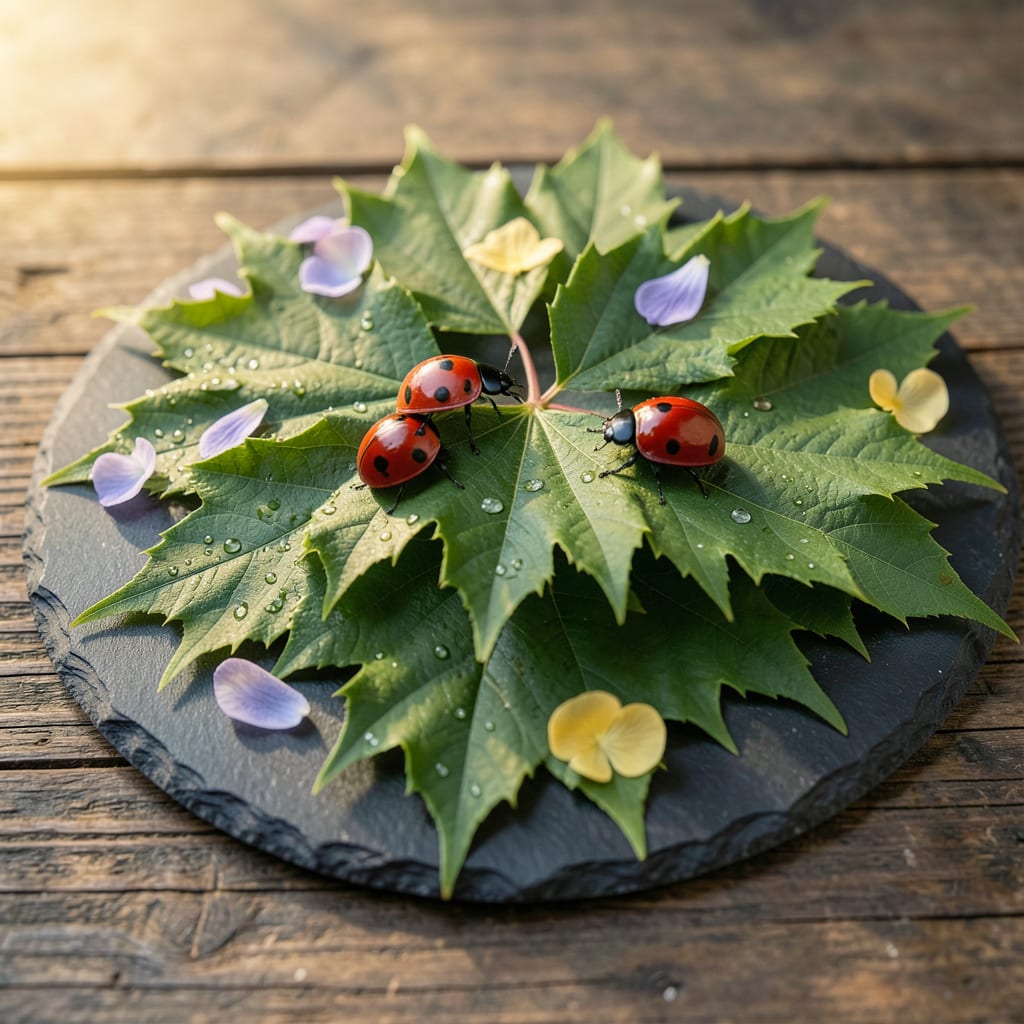
I used to worry when I saw ladybugs crawling on my plants. 🌿 Turns out, they’re not the leaf-munching culprits I feared.
These spotted allies hunt aphids and other pests, protecting your garden naturally. They might nibble on leaves occasionally, but their benefits far outweigh any minor damage. Here’s how to put them to work for you.
📚 In This Guide
Here’s how I investigate whether these spotted garden helpers snack on foliage or stick to pests.
First, locate adult lady bugs on your plants—they’re usually round, red or orange with black spots. I check the undersides of leaves where they hunt for aphids. Look for their tiny, oval larvae too; they’re often black with orange markings and just as hungry for pests.
Both adults and larvae are beneficial predators, but their feeding habits differ slightly. You’ll notice adults move slowly, while larvae are more active, scouring surfaces for their next meal. This is where your observation begins.
Examine leaves closely for any signs of chewing or damage. Lady bugs have mandibles designed for piercing soft-bodied insects, not for chewing plant tissue. I’ve never seen them leave the ragged edges or holes that caterpillars or beetles create.
What you might find instead are tiny empty aphid carcasses or black specks of aphid excrement. These are telltale signs lady bugs are doing their job. If leaves show damage, suspect other culprits like slugs or true plant-eating pests.
To test their behavior, place a few lady bugs on a leaf infested with aphids. I use a small, clear container with air holes to observe them up close. Watch as they immediately begin consuming the aphids, ignoring the leaf surface entirely.
This controlled setting removes variables. You’ll see them use their front legs to hold prey while feeding, a behavior that confirms they’re insectivores. Even when aphids are scarce, they won’t turn to the leaf for nourishment.
Check your garden daily for 1-2 weeks, noting where lady bugs congregate. I keep a journal and consistently find them on plants with aphid infestations, never on healthy, pest-free foliage. This pattern holds true across different plant species.
You’ll also notice they lay eggs near food sources. The eggs hatch into larvae that immediately begin feeding on pests. This life cycle further proves their diet consists of other insects, not your plants.
For contrast, observe true leaf-eaters like Japanese beetles or cucumber beetles. Unlike lady bugs, these pests leave visible chew marks or skeletonized leaves. I’ve seen the difference firsthand—lady bugs leave leaves intact while decimating pest populations.
This side-by-side comparison solidifies the answer: lady bugs are your garden’s allies, not leaf-munching foes. Their presence actually indicates a healthy ecosystem where natural pest control is at work.
A few small adjustments will make your garden investigation far more revealing.
Observation Timing: That 1-2 week monitoring period in Step 4 is crucial—shorter than that and you might miss their full behavior patterns. I keep my journal by the back door so I remember to check daily, especially right after watering when aphids are most active.
Container Setup: For Step 3’s controlled space, use a clear plastic deli container with a lid—poke air holes with a heated nail. The transparency lets you watch from all angles, and the smooth sides prevent escape attempts while you observe their feeding habits.
Leaf Inspection Focus: In Step 2, pay special attention to the undersides of leaves where aphids cluster. Lady bug larvae are particularly active here, and you’ll spot their black excrement specks before you see the bugs themselves—this is your first clue they’re working.
Comparison Strategy: When doing Step 5’s side-by-side comparison, place Japanese beetle-damaged leaves right next to aphid-infested ones with lady bugs. The contrast between skeletonized leaves and intact ones with aphid carcasses makes the difference undeniable.
No, ladybugs don’t eat leaves. They’re carnivorous and primarily feed on aphids, mites, and other soft-bodied pests. Your garden leaves are safe!
Ladybugs love aphids, scale insects, and mealybugs. Some species also consume pollen or nectar when prey is scarce, but leaves aren’t part of their diet.
Rarely. While they don’t eat leaves, large populations might nibble on fruit or stems if pest populations are low. This is uncommon and usually harmless.
Plant nectar-rich flowers like marigolds or dill, avoid pesticides, and provide water sources. Ladybugs will naturally flock to gardens with abundant prey like aphids.
A few species, like the Mexican bean beetle, are plant-eaters, but most ladybugs are beneficial predators. Check for spots or damage to identify harmful types.
