
Beautiful Plants For Your Interior
Beautiful Plants For Your Interior
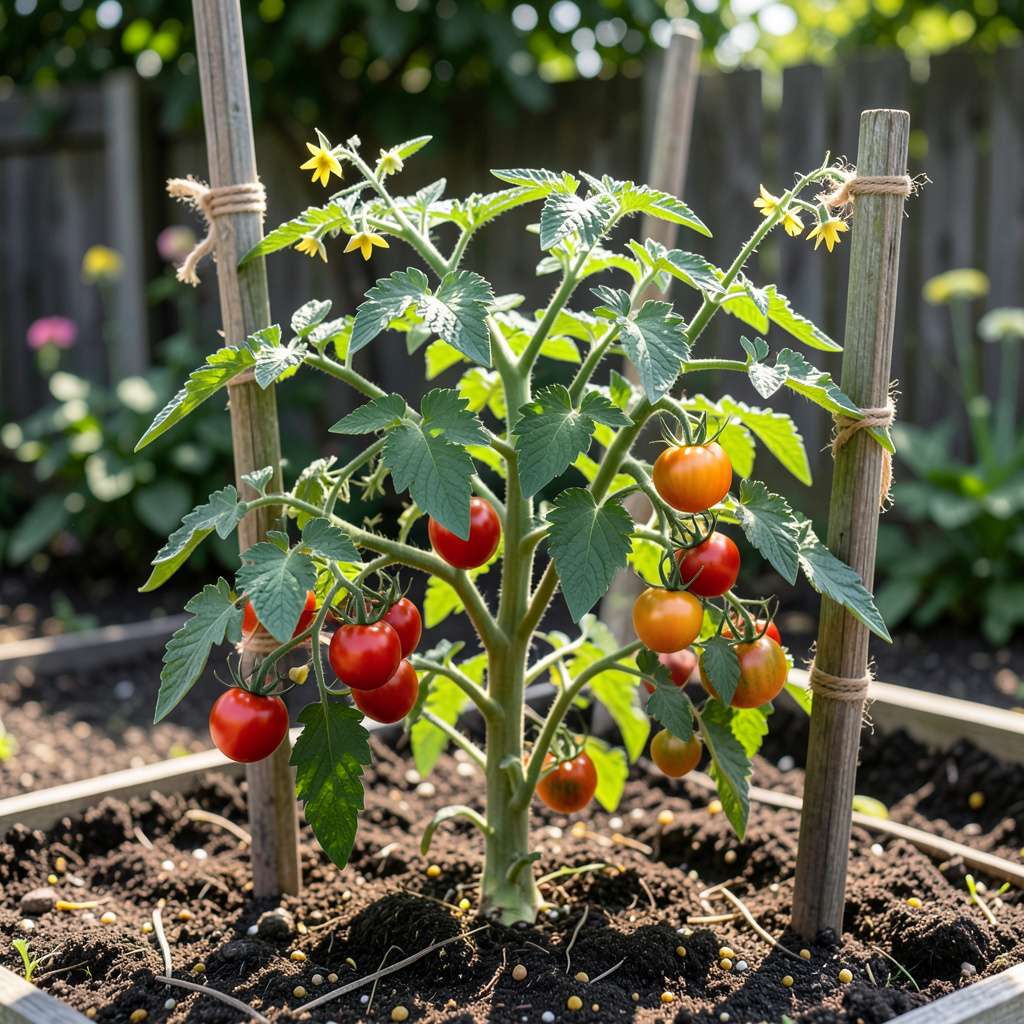
Yes, groundhogs (woodchucks) frequently eat tomatoes, targeting both ripe fruit and young plants. Their sharp teeth and strong appetite make gardens with tomatoes a prime target, especially during summer growing seasons.
I’ve seen firsthand how these persistent critters can devastate a tomato patch overnight. 🔥 Their attraction goes beyond just the fruit—they’ll munch on leaves, stems, and even young seedlings when other food sources are scarce. What makes tomatoes particularly vulnerable is their high water content and natural sweetness, which groundhogs find irresistible during dry summer months. These rodents aren’t just opportunistic feeders; they’re strategic foragers who remember reliable food sources and return repeatedly.
💡 In This Article
Groundhogs, also called woodchucks, have a natural preference for vegetation that’s high in moisture and natural sugars—making tomatoes a perfect target. 🔥 These rodents are primarily herbivores, with about 80% of their diet consisting of plants, and tomatoes offer both hydration (up to 95% water content) and fructose that satisfies their nutritional needs.
Their sharp, continuously growing incisors can easily slice through tomato skins and stems, allowing them to consume both the fruit and foliage efficiently.
The seasonal feeding patterns of groundhogs align perfectly with tomato growing seasons. From late spring through early fall, when tomatoes are ripening, groundhogs are most active and need to consume about 1.5 pounds of vegetation daily to maintain their energy.
They’re particularly drawn to gardens because cultivated plants like tomatoes are often more tender and flavorful than wild vegetation. A single groundhog can destroy an entire tomato plant in just a few feedings, targeting both the fruit and the supporting stems.
What makes groundhogs such persistent garden pests is their excellent memory and territorial nature. Once they locate a reliable food source like your tomato patch, they’ll return repeatedly—sometimes traveling up to 150 feet from their burrows. Their burrowing habits also contribute to garden damage, as they create extensive tunnel systems that can undermine plant roots.
A typical groundhog burrow can have up to 5 entrances and extend 5 feet deep, making them difficult to deter once established.
The disruption of their natural habitat plays a significant role in their garden raids. As development encroaches on wooded areas, groundhogs lose access to their preferred wild foods like clover, dandelions, and wild berries. Gardens become an easy alternative, especially when tomatoes are at their peak ripeness.
Their feeding isn’t just about hunger—it’s also about storing fat for winter hibernation, which begins in October. During this preparation phase, their appetite increases by up to 30%, making your late-season tomatoes particularly vulnerable.
Groundhogs are also strategic feeders who minimize their exposure to predators. They typically feed during early morning and late afternoon hours, when they can quickly grab tomatoes and retreat to the safety of their burrows. Their keen sense of smell allows them to detect ripe tomatoes from considerable distances—up to 100 yards away.
This combination of sharp senses, strategic feeding habits, and nutritional needs makes tomato gardens an irresistible target for these persistent rodents.
Interestingly, groundhogs show a preference for certain tomato varieties over others. They tend to favor sweeter varieties like cherry tomatoes and heirloom types with thinner skins, which are easier to consume. The damage isn’t limited to eating—groundhogs will often trample plants while foraging, and their sharp claws can accidentally uproot young seedlings.
This multi-pronged assault on your tomato plants explains why gardeners often wake up to find their carefully tended crops completely devastated overnight.
Groundhogs love tender greens like lettuce, beans, and peas almost as much as tomatoes. They’re also drawn to squash, cucumbers, and berries—especially strawberries. These plants share the high moisture content that groundhogs crave during dry summer months.
Yes, they’ll consume green tomatoes when ripe ones aren’t available. While they prefer sweet, ripe fruit, hunger drives them to eat unripe tomatoes and even tomato leaves and stems. This behavior is most common in early summer when food sources are limited.
Groundhogs are crepuscular, meaning they’re most active during dawn (5-8 AM) and dusk (5-8 PM). These times offer cooler temperatures and better cover from predators. Set up deterrents like motion-activated sprinklers to activate during these peak feeding windows.
Look for clean-cut damage from sharp incisors (groundhogs) vs. jagged edges (rabbits). Groundhogs also leave larger bite marks (1-2 inches wide) and may trample plants. Check for nearby 10-12 inch wide burrow holes with fresh dirt mounds.
Absolutely—groundhogs have excellent spatial memory and will return to reliable food sources. They can live 3-6 years and remember garden locations season after season. This makes early prevention critical before they establish your garden as a feeding territory.
