
Beautiful Plants For Your Interior
Beautiful Plants For Your Interior
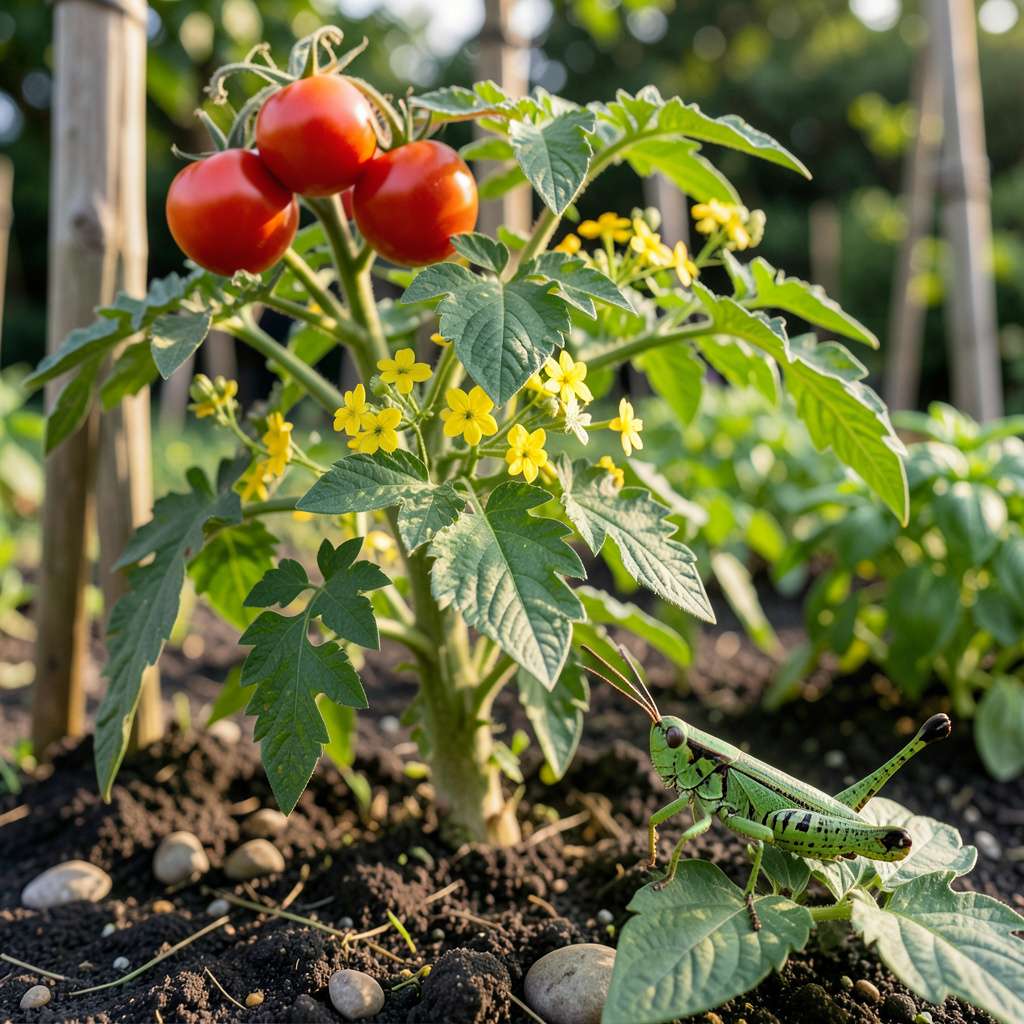
Yes, grasshoppers are herbivorous insects that primarily feed on plants, including grasses, leaves, stems, and crops. Their chewing mouthparts allow them to consume large amounts of foliage, often causing significant damage to gardens and agricultural fields.
I’ve seen firsthand how these insects can devastate a garden overnight. Their powerful mandibles act like tiny scissors, cleanly cutting through plant tissues rather than just nibbling. 🌱 What makes them particularly destructive is their ability to consume up to 16 times their body weight in plant matter daily. This voracious appetite explains why gardeners often wake up to skeletonized leaves and bare stems during peak grasshopper season.
From my experience, they show strong preferences for certain plants. While they’ll eat almost any vegetation when hungry, they particularly target grasses, corn, beans, and leafy greens. The damage patterns are distinctive—ragged edges on leaves and complete defoliation of tender shoots are classic signs of their feeding activity.
💡 In This Article
Grasshoppers possess specialized chewing mouthparts called mandibles that function like miniature pruning shears. These powerful jaws can slice through plant tissues with precision, leaving distinctive ragged-edged holes in leaves rather than smooth cuts.
Their feeding mechanism involves a side-to-side motion that severs plant cells cleanly, which is why damaged leaves often appear skeletonized with only the toughest veins remaining intact. 🌿
A single adult grasshopper can consume approximately 16 times its body weight in plant material daily. To put this in perspective, a 1-inch grasshopper (about 2 grams) might eat 32 grams of foliage each day—equivalent to a small salad.
Their digestive systems are optimized for processing fibrous plant material, with specialized enzymes that break down cellulose more efficiently than many other herbivorous insects.
Their feeding patterns follow distinct daily rhythms. Grasshoppers are most active during warm, sunny periods (typically between 8 AM and 6 PM), when plant tissues contain the highest moisture content.
They use their antennae to detect plant chemicals, showing strong preferences for vegetation with high nitrogen content—which explains their attraction to fertilized gardens and young, tender growth. ✨
Certain plants are particularly vulnerable due to their soft tissues and high nutritional value. Grasshoppers show marked preference for:
Their damage extends beyond simple consumption. The physical trauma from their chewing creates entry points for plant diseases, while their saliva contains enzymes that can accelerate tissue breakdown.
In severe infestations, grasshoppers will consume entire plants down to the stems, including bark on young trees—a behavior more typical of locusts (their close relatives) during swarming phases. 💥
What makes them particularly challenging is their mobility. Grasshoppers can jump 20 times their body length (about 2 feet for large species) and fly significant distances. This allows them to quickly relocate when food sources become scarce, making localized control efforts difficult.
Their feeding damage often appears overnight, as they can strip a garden bare in just a few days when populations are high.
Grasshoppers show strong preferences for grasses, corn, beans, and leafy greens like lettuce and spinach. They’re particularly drawn to plants with high nitrogen content and tender growth. Brightly colored flowers like roses and marigolds also attract them.
A single adult can consume 16 times its body weight daily. For perspective, a 1-inch grasshopper might eat 32 grams of foliage—equivalent to a small salad. Their appetite explains why gardens can be devastated overnight during peak season.
They’re most active during warm, sunny periods (typically 8 AM to 6 PM). Their feeding slows dramatically at night or when temperatures drop below 60°F. This daily rhythm makes early morning the best time for control measures.
In severe infestations, they can strip plants down to stems, including bark on young trees. Their damage creates entry points for diseases and their saliva accelerates plant tissue breakdown. Without control, they can devastate a garden in just a few days.
Floating row covers work best for prevention, while garlic-chili sprays deter feeding. Planting trap crops like marigolds around your garden’s perimeter can also help. Combining methods and rotating them every 2-3 weeks yields the best results.
