
Beautiful Plants For Your Interior
Beautiful Plants For Your Interior
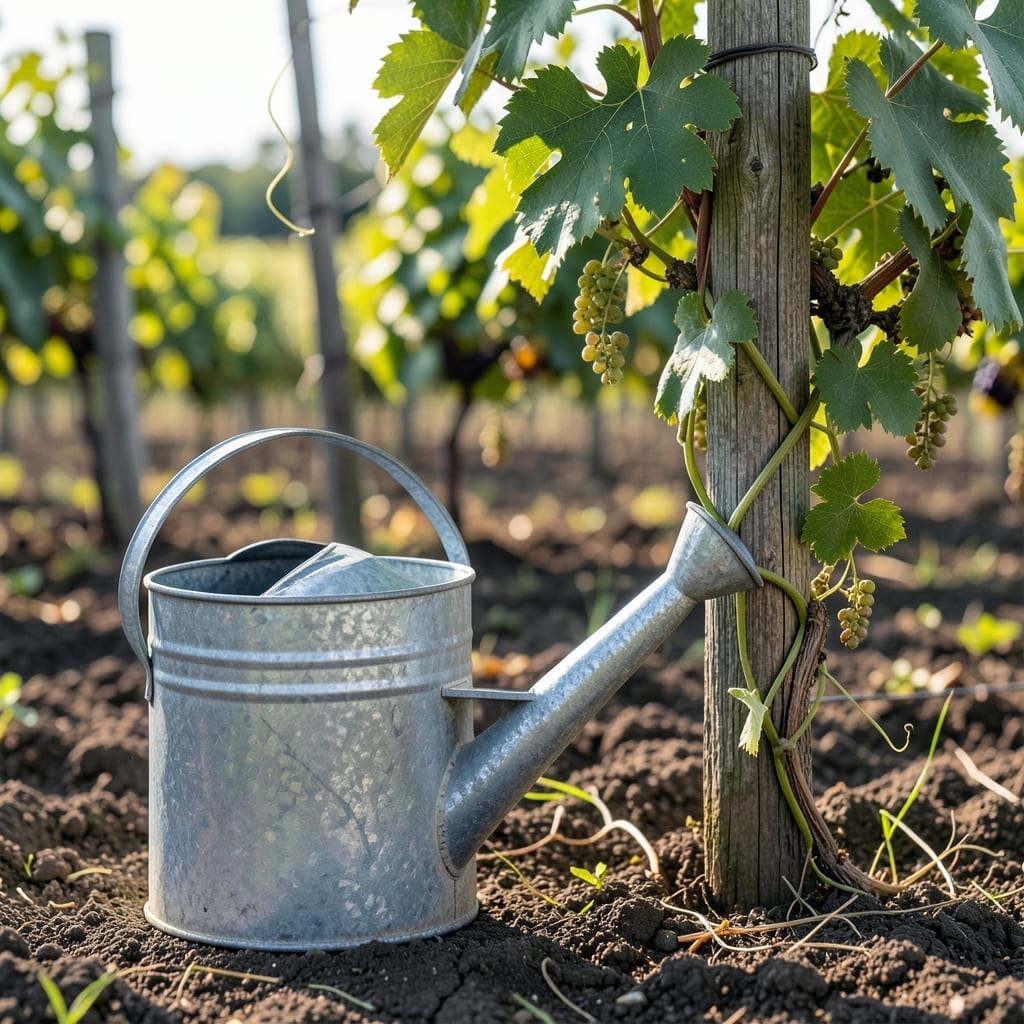
Growing healthy Grape Vine 🍇 starts with nailing the watering routine—it’s the difference between a thriving vineyard and a disappointing harvest. Too much water drowns the roots, while too little leaves your vines parched and struggling.
I’ve seen too many gardeners guess their way through watering, only to watch their Grape Vine suffer. The good news? There’s a simple balance to strike, and it’s easier than you think.
You’ll discover exactly how much water your vines need at each growth stage, from early spring planting to late summer harvest. No more overcomplicating it.
Let’s break down the best practices so you can grow healthier, more productive vines with confidence. Your future self—and your taste buds—will thank you.
Understanding grape vine water needs is key to healthy growth. These plants require consistent moisture, but the amount changes as they develop. Young vines need more frequent watering to establish roots. 🌱
As vines mature, their water requirements shift. The growth stage determines how much and how often you should water. Overwatering can be just as harmful as underwatering. 💧
| Growth Stage | Water Requirement | Frequency |
|---|---|---|
| Dormancy | Low | Bi-weekly |
| Bud Break | Moderate | Weekly |
| Fruit Set | High | 2x Weekly |
| Harvest | Moderate | Weekly |
During dormancy, grape vines need minimal water. This stage typically occurs in winter months when the plant conserves energy. Reduce watering to prevent root rot. ✂️
At bud break, vines begin active growth. Increase watering to once a week to support new shoots. Ensure the soil stays evenly moist but not soggy. 🌿
The fruit set stage demands the most water. Vines need deep watering twice weekly to develop healthy grapes. Monitor soil moisture to avoid stress. 💧
As harvest approaches, reduce watering slightly. Too much water can dilute fruit flavor. Aim for weekly deep soaks to maintain quality. 🌱
Signs of overwatering include yellowing leaves and mold. If you see these, cut back immediately. Grape vines prefer well-draining soil to thrive. ☀️
Underwatering signs are wilting leaves and dry soil. Increase water gradually if you notice these symptoms. Consistent moisture is key for fruit development. ✂️
For established vines, drip irrigation works best. It delivers water directly to roots, reducing waste. Avoid overhead watering to prevent fungal diseases. 💧
Grape vines thrive with consistent moisture but hate soggy roots. I’ve found that drip irrigation works best, delivering water directly to the root zone without wetting the foliage.
In arid climates, I water deeply twice a week to encourage deep root growth. For humid regions, once a week is usually enough to prevent fungal diseases.
For sandy soils, I water more frequently but with less volume each time. Clay soils hold moisture longer, so I space out watering sessions to prevent root rot.
Young vines need more attention—I water them 2-3 times weekly for the first year. Established vines are more drought-tolerant but still need weekly deep watering in peak summer.
I always check the weather forecast and adjust my schedule. If rain is coming, I skip watering to avoid over-saturation. This simple step saves water and protects my vines.
Remember, consistency is key. Sudden changes in watering can stress the vines and affect fruit quality. Stick to a routine, and your grape vines will reward you with lush growth and bountiful harvests 🌿