
Beautiful Plants For Your Interior
Beautiful Plants For Your Interior
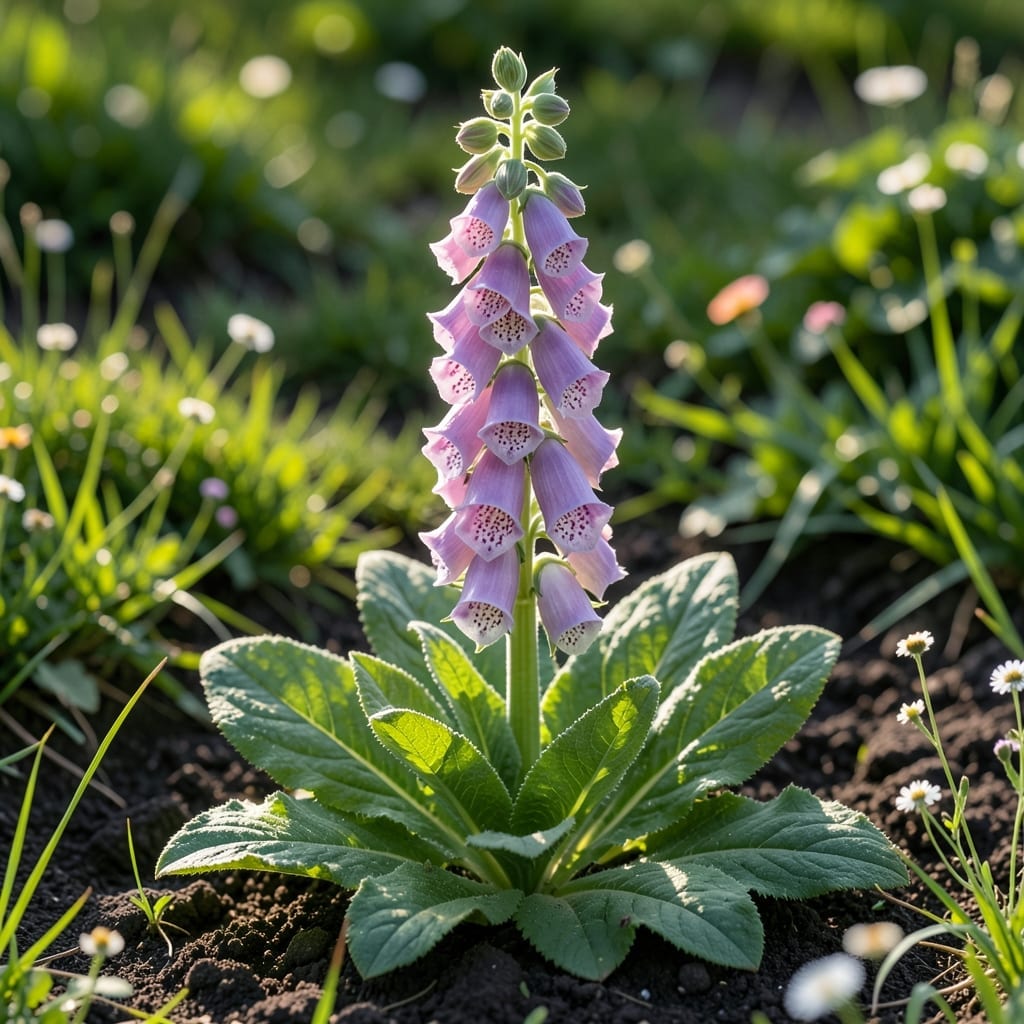
Foxgloves add stunning vertical drama to gardens, but their light requirements often puzzle gardeners. I’ve seen too many beautiful 🌸 Foxglove plants struggle in the wrong conditions.
Understanding whether these bell-shaped beauties thrive in shade can mean the difference between lackluster plants and a vibrant display. The good news? They’re more adaptable than you might think.
Let me show you exactly how to give your Foxgloves the perfect light balance for healthy, flourishing blooms.

If you’ve ever wondered about foxglove light requirements, you’re not alone. These stately plants are native to woodland edges, which gives us our first clue about their preferences.
Foxgloves naturally thrive in partial shade, typically receiving 4-6 hours of dappled sunlight daily in their native habitats. This makes them ideal for those tricky spots in your garden.
| Requirement | Specification |
|---|---|
| Ideal Light | Partial shade |
| Sun Hours | 4-6 hours daily |
| Sun Tolerance | Full sun in cool climates |
| Shade Tolerance | Full shade in hot climates |
In my experience, foxgloves perform best in partial shade, especially during the hottest part of the day. This mimics their natural woodland habitat where they receive morning sun and afternoon shade.
However, they can handle full sun in cooler climates, though you’ll need to be diligent about watering. The soil should never completely dry out, as this can stress the plants.
For full shade conditions, foxgloves will still grow but may produce fewer blooms and grow taller as they stretch for light. This can result in weaker stems that might need staking.
I’ve found that morning sun with afternoon shade is the sweet spot. This combination allows the plants to photosynthesize effectively while protecting them from harsh afternoon rays.
Remember that soil moisture is crucial in shadier spots. The soil should be well-draining but consistently moist. A layer of organic mulch can help maintain moisture levels.
If you’re planting in deep shade, consider thinning some overhead branches to allow more light to reach your foxgloves. Even a small increase in light can significantly improve blooming.
In my garden, I’ve had great success with foxgloves under deciduous trees. They receive full sun in early spring before the leaves emerge, then enjoy dappled shade during the hotter months.
This natural cycle seems to perfectly match their growth pattern, resulting in strong, healthy plants with abundant blooms 🌿
Not all foxgloves handle shade equally well. I’ve tested several shade-tolerant varieties that consistently perform in low-light conditions while still producing spectacular blooms.
These cultivars have been bred or selected for their ability to thrive where sunlight is limited. They’re perfect for woodland gardens, north-facing borders, or under tree canopies.
| Variety | Height | Bloom Color | Shade Tolerance |
|---|---|---|---|
| Digitalis purpurea | 3-5 ft | Purple, pink, white | Excellent |
| Pam’s Choice | 3-4 ft | White with maroon spots | Very Good |
| Excelsior Hybrid | 4-5 ft | Mixed colors | Good |
| Foxy | 2-3 ft | Pink, purple, white | Very Good |
I recommend starting with Digitalis purpurea if you’re new to growing foxgloves in shade. It’s the most adaptable and forgiving of low-light conditions.
Pam’s Choice offers stunning visual appeal with its unique color pattern. It grows well in partial to full shade and adds elegance to any garden.
For smaller spaces, Foxy is a great dwarf variety. It stays compact at just 2-3 feet tall while still producing abundant blooms.
Remember that even shade-tolerant varieties need some light. Aim for at least 2-3 hours of morning sun for the best results.
In my garden, I’ve found these varieties thrive when planted in rich, moist soil with good drainage 🌿