
Beautiful Plants For Your Interior
Beautiful Plants For Your Interior
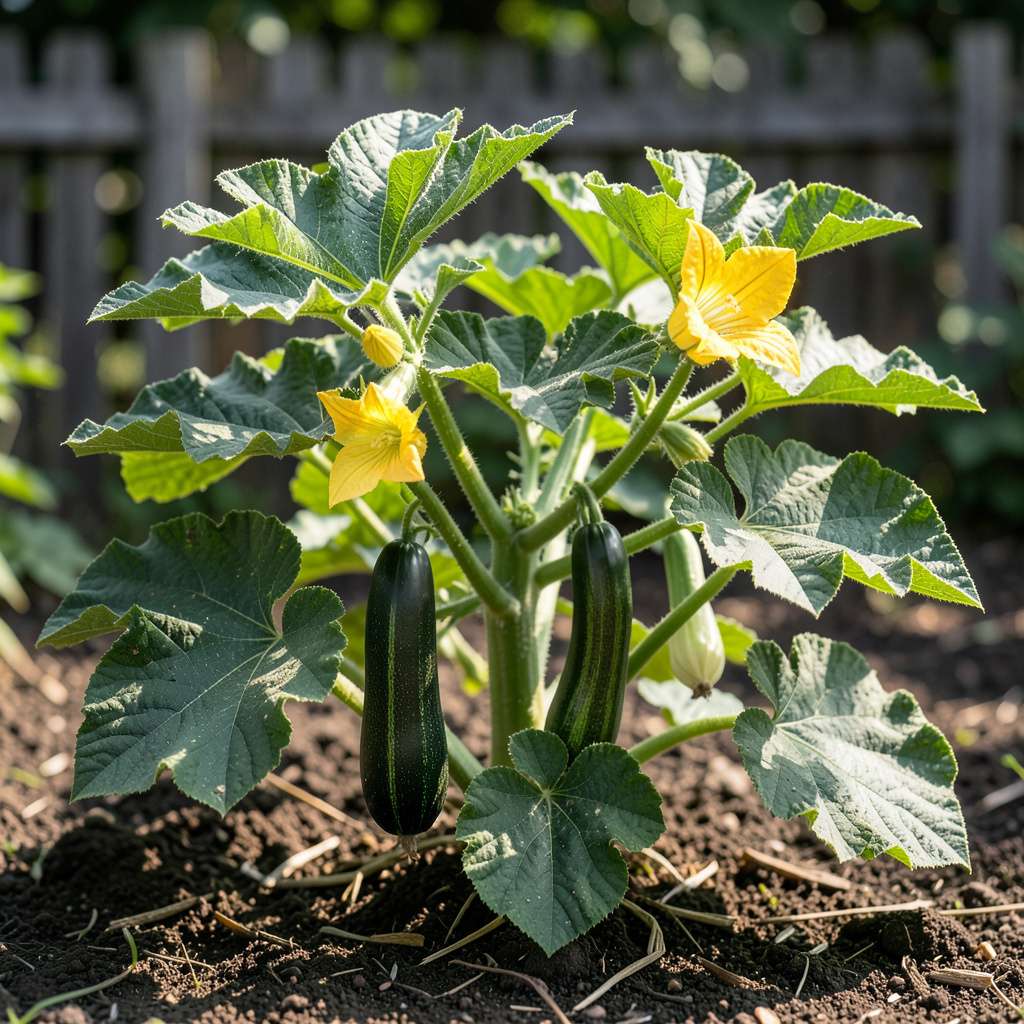
Yes, deer will eat zucchini plants—especially the tender leaves, stems, and young fruit—when other food sources are scarce. They’re most active at dawn and dusk, making gardens vulnerable during these times.
I’ve noticed deer gravitate toward zucchini because the broad leaves and soft stems are easy to nibble, unlike tougher garden plants. 🌱 Their feeding habits intensify during late summer when natural forage becomes limited, turning your vegetable patch into an all-you-can-eat buffet. What’s tricky is that deer are creatures of habit—once they discover your zucchini, they’ll return night after night until the plants are stripped bare.
From my experience, urban gardens aren’t safe either—deer adapt quickly to human environments when food is plentiful. ✨ The damage often starts with jagged leaf edges and progresses to completely devoured seedlings if left unchecked. This is why early prevention matters more than you might think.
💡 In This Article
Deer gravitate toward zucchini plants because of their high moisture content and soft, easily digestible foliage. Unlike woody plants or those with strong aromas, zucchini leaves offer little resistance—making them a low-effort, high-reward snack.
The broad leaves also provide more surface area for grazing, which is particularly appealing when deer need to consume large quantities quickly. 🌿
Seasonal food scarcity plays a major role in this behavior. During late summer and early fall, natural forage like clover and wild berries becomes less abundant, forcing deer to seek alternative food sources. Zucchini plants, with their rapid growth and tender new shoots, become an irresistible target.
Rural gardens face higher risk, but urban areas with fragmented green spaces see just as much damage—deer adapt quickly to human environments when food is plentiful.
Deer feeding patterns follow a predictable rhythm. They’re most active during dawn and dusk, when their natural predators are less visible. This crepuscular behavior means your zucchini plants are vulnerable during these low-light periods. 🌅 Once deer discover an easy food source, they’ll return nightly, often stripping plants bare within days.
Their sharp incisors leave jagged edges on leaves—a telltale sign of their presence.
What makes zucchini especially vulnerable is its lack of natural defenses. Unlike plants with thorns, strong scents, or fuzzy leaves (which deter deer), zucchini offers no deterrents. For comparison, deer typically avoid herbs like rosemary or lavender due to their strong fragrance, but zucchini’s mild taste and texture make it an easy target.
The younger the plant, the more appealing it is—tender seedlings disappear faster than mature plants.
Garden location amplifies the risk. Properties near wooded areas or greenbelts see more deer activity, but even urban gardens with nearby parks can attract them. Deer are creatures of habit—they’ll memorize food sources and return consistently. 🦌 This is why early protection is critical: once they establish a feeding pattern, breaking it becomes much harder.
Consider the nutritional value: zucchini leaves contain about 90% water and are rich in fiber, making them both hydrating and filling for deer. In drought conditions or during population booms, their reliance on garden plants increases dramatically.
Unlike deer-resistant plants (which often contain bitter compounds or tough textures), zucchini provides an easy meal with minimal effort required.
Deer typically target the most tender parts first: young leaves, soft stems, and developing fruit. They’ll often start with the outer leaves and work inward, leaving jagged edges where they’ve nibbled. Mature plants with tougher foliage may survive light grazing, but seedlings are especially vulnerable.
Late summer and early fall see the most damage, when natural food sources become scarce. During droughts or population booms, deer may target gardens year-round. Spring plantings are also at risk as deer seek nutrient-rich new growth after winter. The worst damage often occurs just as plants begin producing fruit.
Deer are creatures of habit and will return nightly once they find a food source. They’ll even memorize garden layouts and feeding routes. This is why early protection is crucial—once they establish a pattern, breaking it becomes much harder. Expect repeat visits until you implement deterrents.
For immediate results, use 8-foot fencing or floating row covers. If you need a quick fix, hang strongly scented soap bars (like Irish Spring) in mesh bags around the garden perimeter. Motion-activated sprinklers also work well for instant deterrence. The key is acting before deer discover your plants.
While no variety is completely deer-proof, ‘Black Beauty’ and ‘Cocozelle’ have slightly tougher leaves and stems. These may deter light grazing but won’t stop determined deer. For best results, pair these varieties with protection methods like repellents or barriers. Even resistant varieties need some defense during peak deer activity.
