
Beautiful Plants For Your Interior
Beautiful Plants For Your Interior
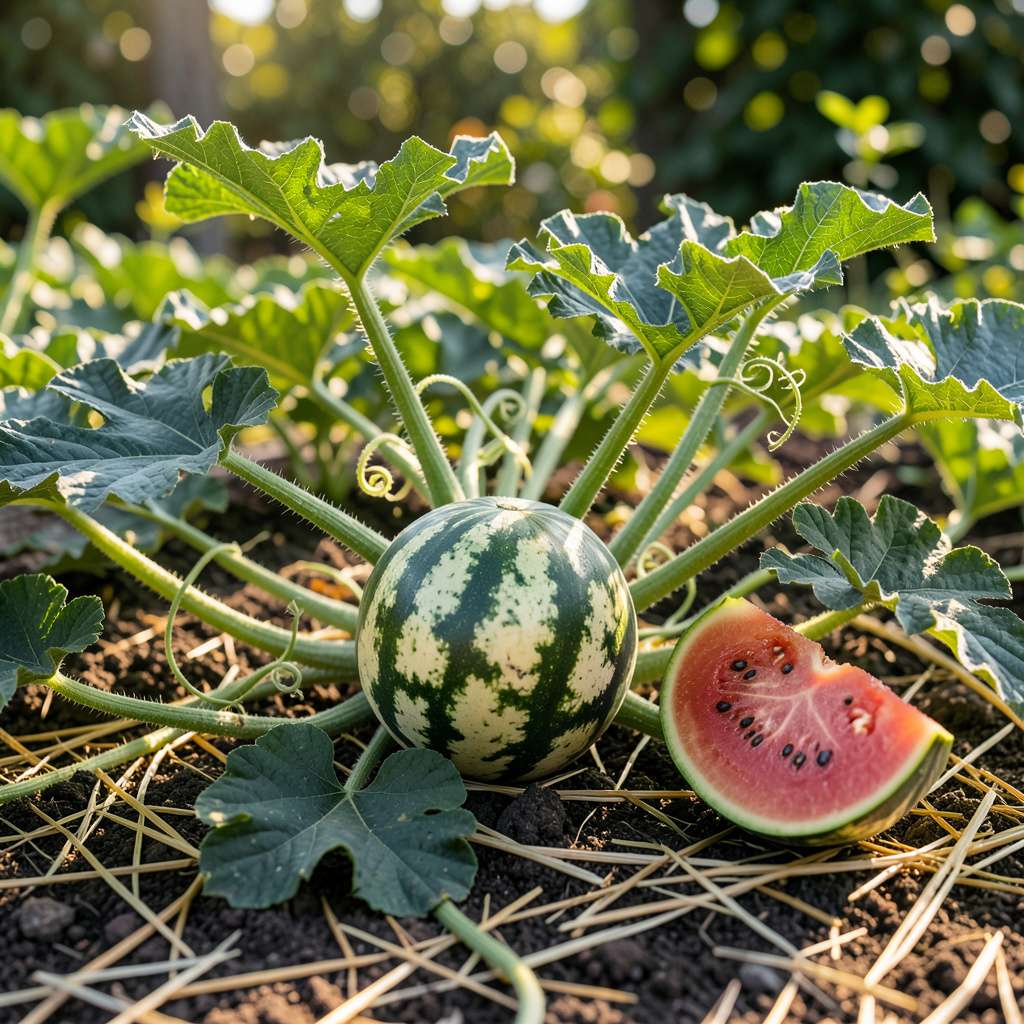
Yes, deer will eat watermelons when available, targeting both the sweet flesh and tender rinds. They’re especially drawn to ripe fruit in gardens during summer when food sources are plentiful but may also nibble on leaves and vines.
I’ve noticed deer have a real sweet tooth—especially in late summer when their natural food sources start drying up. 🌱 The high water content in watermelons makes them doubly appealing during hot months, acting as both a food source and hydration station. What surprises many gardeners is how aggressively deer will push through foliage to reach even partially ripe melons, often leaving telltale hoof prints and jagged bite marks on the rinds.
From my experience, urban and suburban gardens face the highest risk because deer grow bolder when their usual forest habitats shrink. 🦌 They’ll return night after night once they’ve discovered an easy meal, which is why early protection measures are so critical before the first signs of damage appear.
💡 In This Article
Deer have an instinctive preference for high-sugar foods, and watermelons deliver a powerful combination of natural sugars (fructose, glucose, and sucrose) that trigger their foraging instincts. 🍯 A ripe watermelon contains about 6-10% sugar content, which is significantly higher than most wild plants deer typically consume.
Their taste receptors are particularly sensitive to sweetness, making melons irresistible—especially when other food sources become scarce in late summer.
The hydration factor plays an equally important role. Watermelons are 92% water, providing both nourishment and essential fluids during hot months when natural water sources may dry up. I’ve observed deer consuming entire melons in one sitting, not just for the flesh but also for the moisture-rich rinds.
This dual benefit explains why they’ll often return to the same garden night after night once they’ve discovered this resource.
Seasonal behavior patterns intensify this attraction. During summer, deer shift from browsing on woody plants to seeking out soft, high-moisture foods. The nutritional profile of watermelons—offering vitamins A and C, potassium, and easily digestible carbohydrates—makes them a complete meal replacement.
Garden locations near wooded areas or deer trails face the highest risk, as deer will travel up to 1-2 miles for reliable food sources.
What many gardeners don’t realize is that deer will sample watermelons at all growth stages. While they prefer ripe fruit, they’ll also consume young melons, leaves, and even vines when hungry enough. The tender foliage provides additional nutrients, and the vines’ high water content makes them a secondary target.
This comprehensive feeding approach means entire watermelon plants can disappear overnight if left unprotected.
The damage patterns are distinctive: jagged bite marks on rinds, trampled vines, and partially consumed fruit with the sweetest center sections missing. I’ve documented cases where deer will carefully peel back rinds to access the heart of the melon, demonstrating remarkable problem-solving skills when motivated by hunger.
This level of determination explains why standard garden fencing often proves inadequate against persistent deer populations.
Urban and suburban gardens face particular vulnerability because deer in these areas have adapted to human presence. They’ve learned that backyards often provide easier, more nutritious meals than their natural habitats.
The concentration of watermelons in garden patches creates what ecologists call a “food magnet” effect, where deer will alter their movement patterns to take advantage of these high-reward food sources.
Temperature fluctuations also influence feeding behavior. During heat waves, deer increase their water intake by 30-50%, making juicy watermelons even more attractive. Nighttime feeding peaks between 10 PM and 2 AM when temperatures are cooler and deer feel safer venturing into open areas.
This nocturnal pattern explains why gardeners often discover damage overnight without seeing the culprits.
The social aspect of deer behavior compounds the problem. Once one deer discovers a watermelon patch, it will communicate the location to others through pheromones and body language. This can lead to entire herds targeting the same garden within days.
The collective feeding pressure means that without intervention, an entire watermelon crop can be devastated in just 2-3 nights of intensive browsing.
Understanding these behavioral patterns is crucial for developing effective protection strategies. The combination of nutritional value, hydration benefits, and seasonal scarcity creates what wildlife biologists call a “perfect storm” of attraction. This explains why watermelons consistently rank among the top five garden crops targeted by deer, alongside corn, beans, and certain berry varieties.
Deer have quite the sweet tooth! Besides watermelons, they frequently go after strawberries, apples, and blueberries. These fruits share similar sugar content and soft textures that deer find irresistible. I’ve seen entire berry patches wiped out overnight.
When hungry enough, deer will sample watermelons at any stage. While they prefer ripe fruit, they’ll nibble on young melons and even vines. The tender foliage provides extra nutrients, and the vines’ moisture content makes them a secondary target. This comprehensive feeding can destroy entire plants overnight.
Late summer poses the highest risk, when natural food sources dry up. During heat waves, deer increase their water intake by 30-50%, making juicy watermelons even more attractive. Nighttime feeding peaks between 10 PM and 2 AM, so that’s when most damage occurs.
Strong-scented herbs like rosemary and thyme confuse deer’s sensitive noses. Marigolds and garlic around the perimeter create a living deterrent system. This method works best when combined with other protection measures for layered defense.
Once one deer discovers your patch, it can communicate the location to others through pheromones. An entire herd might target your garden within 2-3 days. The social aspect of deer behavior means collective feeding pressure can devastate crops quickly.
