
Beautiful Plants For Your Interior
Beautiful Plants For Your Interior
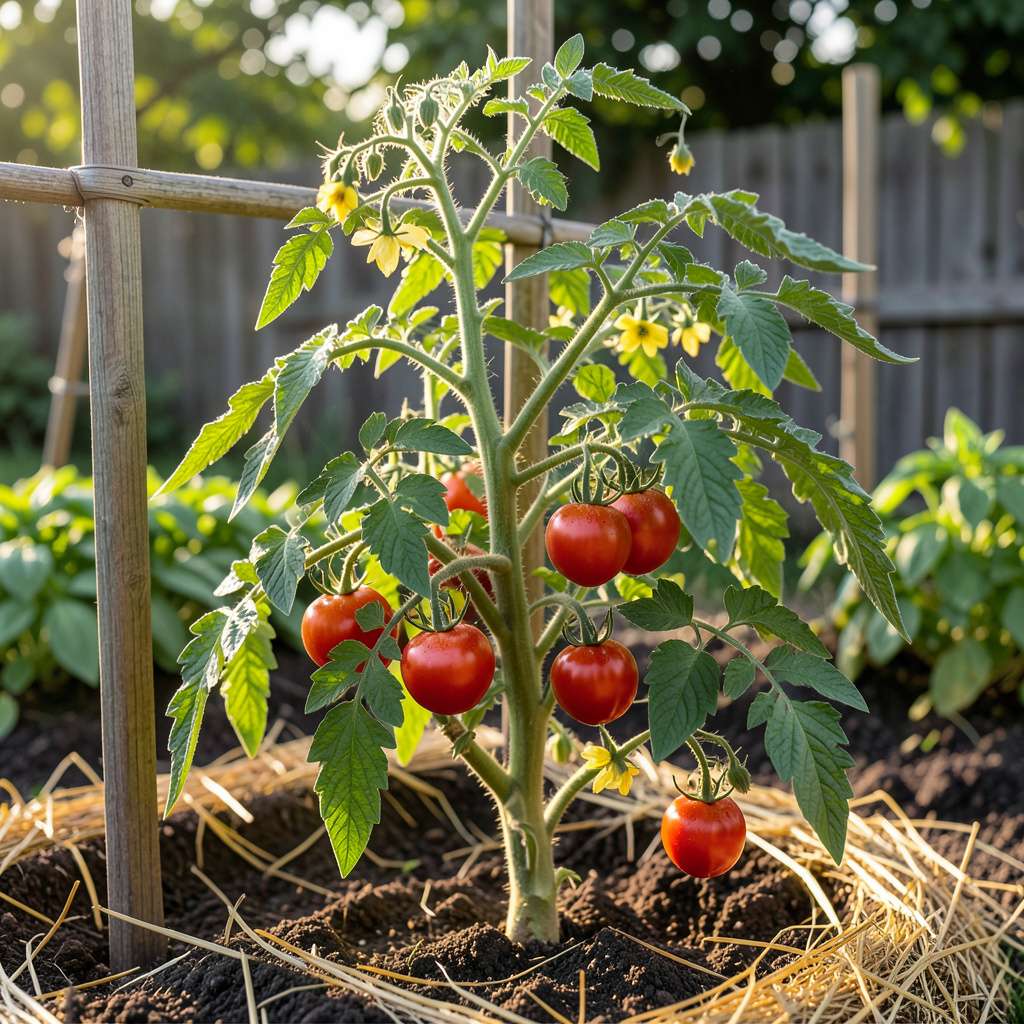
Yes, deer frequently eat tomato plants, especially the leaves and young fruit. They’re attracted by the tender foliage and moisture content, making unprotected gardens vulnerable to overnight damage.
I’ve watched deer devastate entire tomato patches in a single night—they’re not just nibbling, they’re feasting. 🌱 The plants’ high water content and soft leaves make them irresistible, particularly during dry spells or when natural food sources are scarce. What many gardeners don’t realize is that deer have learned to associate backyard gardens with easy meals, especially in suburban areas where their natural habitats overlap with human landscapes. This behavior peaks in early morning or dusk, when deer are most active and gardens are quiet.
💡 In This Article
Deer aren’t just randomly munching on your tomatoes—they’re strategically choosing them for nutritional value. Tomato leaves contain solanine in small amounts, but the plant’s high water content (up to 95% in leaves) makes them a hydrating snack.
During summer droughts, deer actively seek out these moisture-rich plants, often traveling 1-2 miles from their bedding areas to find them. 🌿 The tender new growth at the tops of plants is particularly appealing because it requires minimal chewing effort compared to mature, fibrous leaves.
The scent of tomato plants acts like a dinner bell for deer. They possess 297 million olfactory receptors (compared to a human’s 5 million), allowing them to detect the volatile organic compounds tomatoes emit from up to 0.5 miles away.
This acute sense of smell explains why deer can locate your garden even when it’s not visible from their usual paths. Their feeding patterns follow a crepuscular rhythm, meaning they’re most active at dawn and dusk when human activity is lowest—perfect timing for undisturbed feasting.
Garden location dramatically increases your risk. Properties within 500 feet of wooded areas experience 3x more deer damage than those in open suburban neighborhoods. Deer use tree lines as cover while approaching gardens, and they’ve learned that fenced yards often contain the most tender, well-watered plants.
Rural gardens face even higher pressure because deer populations are denser—typically 15-20 deer per square mile in agricultural areas versus 5-10 in urban suburbs.
Tomatoes aren’t their only target, but they’re consistently ranked in the top 5 most damaged plants in deer-preferred menus.
Compared to hostas (which deer eat for their starch content) or beans (prized for protein), tomatoes offer a complete package: hydration, easy digestion, and minimal defensive compounds. 🦌 What’s particularly frustrating for gardeners is that once deer find a reliable food source, they’ll return nightly and even bring their fawns to teach them the location—a learned behavior that can persist for generations.
The damage patterns are telling. Deer don’t just take a few bites—they’ll strip leaves from the bottom up, often leaving jagged edges where they’ve torn the foliage. Young fruit shows characteristic tooth marks, while mature tomatoes might be completely removed from the vine.
This systematic feeding approach differs from rabbit damage (which is lower to the ground) or insect damage (which creates holes rather than missing sections). The height of the damage, typically 18-36 inches above ground, is a dead giveaway of deer activity.
Seasonal shifts change their feeding intensity. In spring, deer focus on new tomato shoots for their high protein content (15-20% in young leaves). By mid-summer, they switch to fruit consumption as the tomatoes ripen and develop higher sugar content (4-5% fructose in ripe fruit).
🍅 Fall brings a final feeding frenzy as deer prepare for winter, consuming up to 7 pounds of vegetation daily—your tomato plants can disappear overnight during this phase.
Deer are most active at dawn and dusk, when they take advantage of low light to feed undisturbed. This crepuscular behavior means your tomato plants are especially vulnerable during early morning hours and just before sunset. Nighttime raids can also occur, particularly in areas with minimal human activity.
Unfortunately, yes—deer will browse container tomatoes if they can access them. Patios at ground level or with easy jump points are particularly at risk. Try elevating containers to 4-5 feet high or placing them close to your home’s entrance where human activity deters deer.
Deer show less interest in heirloom varieties with stronger scents (like ‘Brandywine’) compared to sweet hybrids (‘Sungold’). However, when food is scarce, they’ll eat any type. The plant’s growth stage matters more—young, tender leaves are always their first target regardless of variety.
Look for jagged tears on leaves 18-36 inches above ground—deer rip plants rather than cleanly cutting them. You’ll often see hoof prints in soft soil and bite marks on fruit. Rabbit damage stays low to the ground, while insects create small holes rather than missing sections.
Once deer find a reliable food source, they’ll return nightly and even bring their fawns. This learned behavior can persist for years. The key is breaking the pattern immediately with consistent deterrents—even one successful raid reinforces their memory of your garden as an easy meal.
