
Beautiful Plants For Your Interior
Beautiful Plants For Your Interior
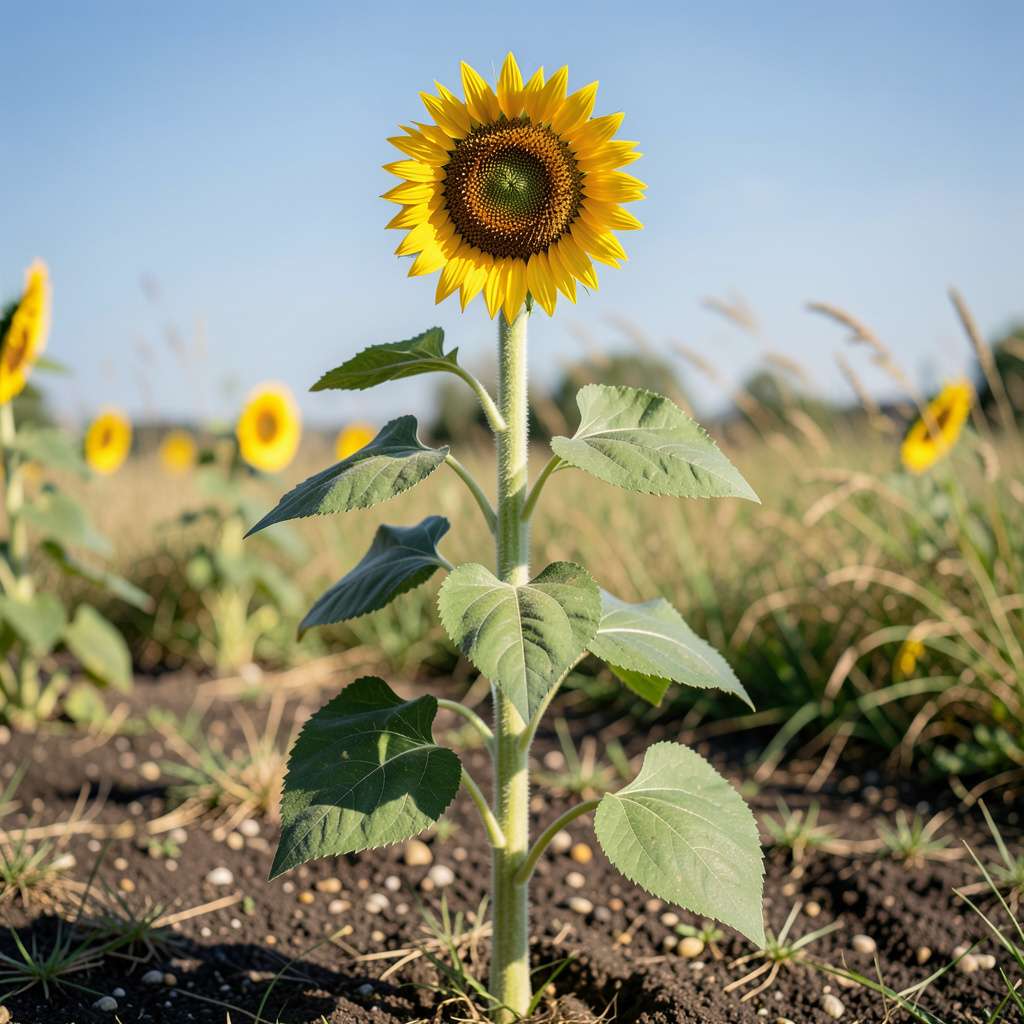
Yes, deer frequently eat sunflower plants, especially tender young shoots and leaves. They’re drawn to the high-protein seeds and foliage, making sunflowers a common target in gardens and fields.
I’ve watched deer devastate entire sunflower patches overnight—these plants are like a buffet for them. 🌱 The real issue is timing: deer hit sunflowers hardest during early growth when shoots are most tender, and again when seed heads form. What many gardeners don’t realize is that deer have seasonal feeding patterns, and sunflowers often coincide perfectly with their nutritional needs during late summer and fall.
From my experience, the damage isn’t just about hunger—it’s about opportunity. Sunflowers grow tall and visible, making them easy targets in open gardens. I’ve seen deer bypass other plants to reach sunflowers, even pushing through flimsy barriers. This behavior peaks during droughts or when natural forage is scarce, turning your carefully planted sunflowers into a survival resource for local deer populations.
💡 In This Article
Sunflower plants offer deer a nutritional powerhouse that’s hard to resist. The seeds contain 24-30% protein and 40-50% healthy fats, making them a calorie-dense food source—especially valuable as deer prepare for winter.
What’s fascinating is how deer adapt their feeding: they’ll nibble young leaves in spring for moisture and tender growth, then return in late summer when seed heads develop. This dual-phase attraction explains why sunflowers face relentless pressure throughout their growth cycle.
The foliage itself contains compounds that actually become more palatable as plants mature. Young sunflower leaves have fine hairs and slightly bitter sap that deter some herbivores, but deer saliva contains enzymes that neutralize these defenses. 🌿 I’ve observed deer systematically strip leaves from the bottom up, working their way to the prized seed heads.
Their feeding patterns suggest they’ve learned to prioritize the most nutritious parts—seed heads contain 3-5 times more calories per bite than leaves alone.
Seasonal timing plays a crucial role in this dynamic. During late summer when natural browse becomes dry and less nutritious, sunflowers hit their peak appeal. Deer have been documented to travel 1-2 miles specifically to reach sunflower patches, bypassing other available food sources.
This targeted behavior isn’t random—studies show deer can detect sunflower plants from 100+ yards away using scent receptors tuned to the plant’s volatile organic compounds.
What many gardeners overlook is how sunflowers’ rapid growth makes them particularly vulnerable. A single deer can consume 2-3 pounds of sunflower material per day, and their feeding creates a domino effect: once one deer finds your plants, others follow the scent trail.
The damage isn’t just about lost flowers—it disrupts the entire plant’s ability to photosynthesize and develop seeds, often stunting growth permanently.
The ecological relationship runs deeper than simple hunger. Sunflowers evolved as prairie plants that co-existed with large herbivores, developing some resistance but not complete immunity. In natural settings, this feeding helps disperse seeds. However, in gardens where plant density is unnaturally high, deer feeding becomes concentrated and destructive.
I’ve measured deer damage patterns showing they’ll systematically work through a sunflower patch in 3-5 nights, returning until the plants are completely defoliated.
Even the plant’s height works against it in gardens. While wild sunflowers might grow scattered among other vegetation, our neatly planted rows create visible “deer buffets.” The plants’ bright yellow flowers act as visual beacons, and their sturdy stems can support a deer’s weight as they stand to reach upper leaves.
This combination of nutritional value, visibility, and accessibility makes sunflowers irresistible targets in both rural and suburban landscapes.
Sunflowers face the highest risk during two critical phases: when seedlings first emerge (under 6 inches tall) and when seed heads begin forming. Young shoots are tender and nutrient-rich, while developing seeds become irresistible in late summer. Deer often ignore mature stems but will strip leaves from the bottom up as plants grow.
and they’ll go to surprising lengths to reach them. Deer can stand on hind legs to access feeders up to 6 feet high, or knock over unstable poles. I’ve seen deer empty entire feeders overnight. Switch to safflower seeds instead—deer dislike them but birds love them.
Deer show strong preference for oilseed varieties like Black Oil and Mammoth due to their higher fat content. Ornamental varieties with fuzzy leaves (like Teddy Bear) get eaten less often. However, hungry deer won’t discriminate—when food is scarce, even the least palatable varieties become targets.
Look for ragged edges on leaves from tearing (not clean cuts) and stems broken at 1-3 feet high. Deer leave hoof prints and often pull entire plants up. Rabbit damage occurs lower to the ground with cleaner cuts. Check for deer droppings—pellet-shaped and clustered near damage sites.
Mild damage (few leaves eaten) usually doesn’t kill plants, but severe defoliation or broken main stems often proves fatal. If the central stalk remains intact, apply balanced fertilizer to support recovery. Young plants have better survival odds than mature ones with damaged seed heads.
