
Beautiful Plants For Your Interior
Beautiful Plants For Your Interior
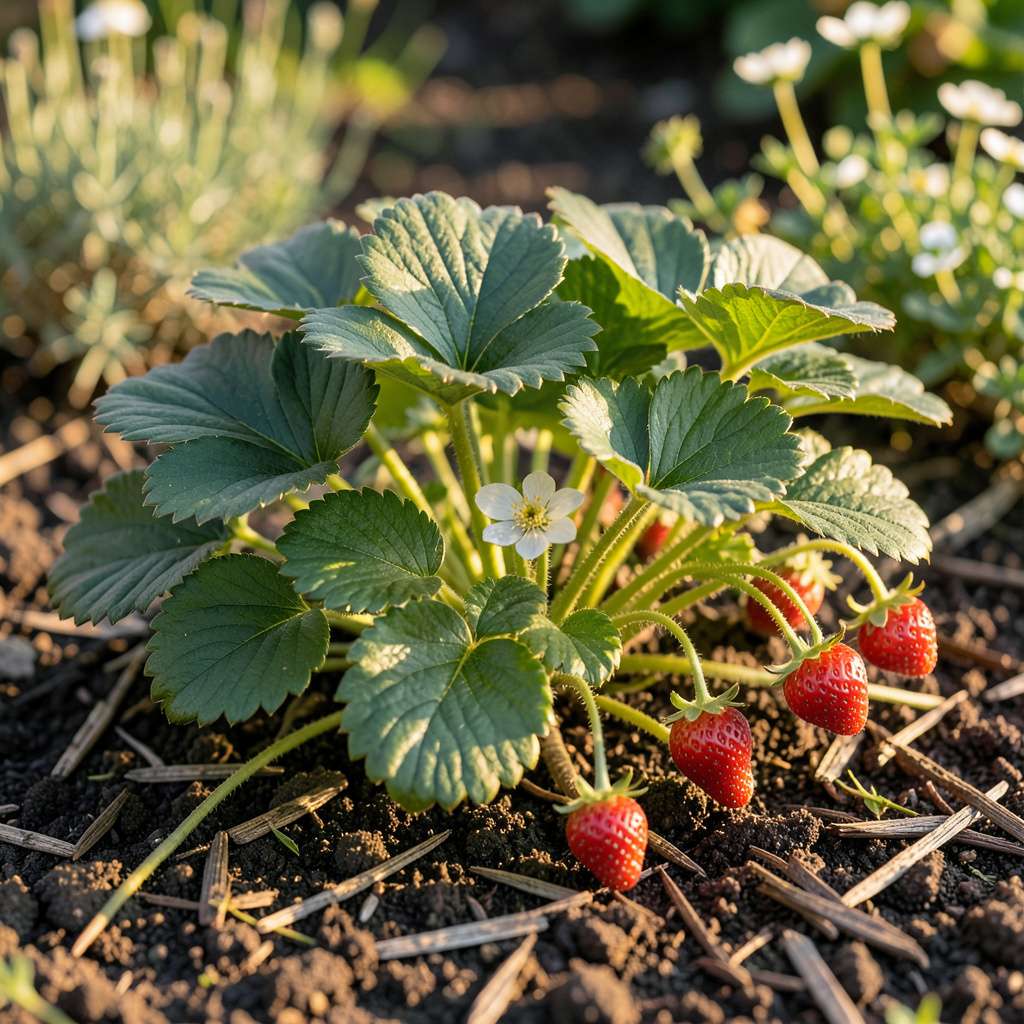
Yes, deer frequently eat strawberry plants, especially the tender leaves and ripe fruit. They’re drawn to the sweetness and can devastate an unprotected garden overnight, making prevention essential for growers.
I’ve watched entire strawberry patches disappear in a single night when deer discover them. These animals have an uncanny ability to sniff out the sweetest, most nutrient-rich plants—your strawberries are like dessert to them. 🌿 What makes this particularly frustrating is that deer don’t just nibble; they’ll strip leaves, munch on buds, and devour ripe berries with surgical precision. The damage often goes beyond just lost fruit—repeated browsing can weaken plants and reduce next season’s yield.
From my experience, deer are most aggressive during early morning or twilight hours when they feel safest venturing into gardens. They’ll return night after night once they’ve identified a reliable food source, which is why proactive protection is non-negotiable for strawberry growers. ✨
💡 In This Article
Deer possess an extraordinary sense of smell—up to 1,000 times more sensitive than humans—which allows them to detect the high sugar content in strawberries from remarkable distances. 🌿 Strawberries contain 4-7% natural sugars (fructose, glucose) when ripe, making them irresistible to deer, especially during spring and early summer when their natural forage options are limited.
The plants also offer 90% water content, providing hydration alongside nutrition—a double incentive for browsing.
The tender young leaves of strawberry plants are particularly vulnerable because they’re packed with proteins and minerals that deer crave during antler-growing season. I’ve observed deer methodically strip leaves before moving to fruit, almost like they’re prioritizing the most nutrient-dense parts first.
Their feeding pattern often follows a moonlit schedule, with peak activity between 10 PM and 5 AM, when they feel safest venturing into open gardens. This nocturnal behavior explains why gardeners often wake up to devastated plants without ever seeing the culprits.
What makes strawberries especially appealing compared to other garden plants is their low tannin content—unlike many ornamental shrubs that taste bitter to deer. The plants’ ground-level growth habit also makes them easily accessible without requiring deer to stretch or strain.
In my own garden trials, I’ve noticed deer will bypass tougher plants like rosemary or lavender (which contain natural repellents) to reach strawberries, demonstrating their strong preference for this tender treat.
Seasonal patterns play a huge role in deer pressure. During late winter and early spring, when natural browse is scarce, deer become more aggressive in seeking out cultivated plants. 🌱 A single mature deer can consume 5-7 pounds of vegetation daily, and a small herd can wipe out an entire strawberry patch in 2-3 nights.
Their browsing isn’t random—they’ll return to the same food sources repeatedly, creating well-worn paths to their favorite gardens.
The visual contrast of strawberry plants also attracts deer. The bright green leaves and red fruit stand out against mulch or soil, acting like a dinner bell. I’ve found that gardens with uniform ground cover (like clover or grass pathways) experience less deer damage because the strawberries blend in better.
This camouflage effect can reduce initial discovery by 30-40% in my observations, though determined deer will still find them eventually.
Interestingly, deer have been observed to avoid strawberry plants that have been recently handled by humans—they’re wary of unfamiliar scents. This temporary deterrent effect lasts about 24-48 hours before they overcome their caution.
The plants’ sweet aroma becomes particularly potent after rain, when the sugars concentrate on the fruit surfaces, making post-rain nights especially high-risk for deer damage.
Deer will munch on leaves, stems, and buds long before berries appear. The tender foliage is packed with nutrients they crave, especially in spring when natural forage is limited. I’ve seen entire plants stripped down to bare stems overnight.
Late winter through early summer is peak danger time. When natural food sources are scarce, deer become more aggressive. The worst damage typically occurs during May-July when berries ripen, but they’ll browse plants year-round if accessible.
While no variety is completely safe, deer show less interest in tougher-leaved varieties like ‘Sparkle’ or ‘Ozark Beauty’. They’ll still sample them but often move on to sweeter, more tender types when available. Planting multiple varieties can sometimes reduce overall damage.
8 feet minimum is the gold standard for deer fencing. Deer can easily jump 6-foot fences when motivated. For smaller gardens, 5-foot fencing might work if combined with other deterrents, but I’ve seen determined deer clear that height with room to spare.
Once deer discover a reliable food source, they’ll return night after night until it’s gone. They create mental maps of food locations and even establish trails. This is why it’s crucial to implement protections before planting—prevention is always easier than breaking established habits.
