
Beautiful Plants For Your Interior
Beautiful Plants For Your Interior
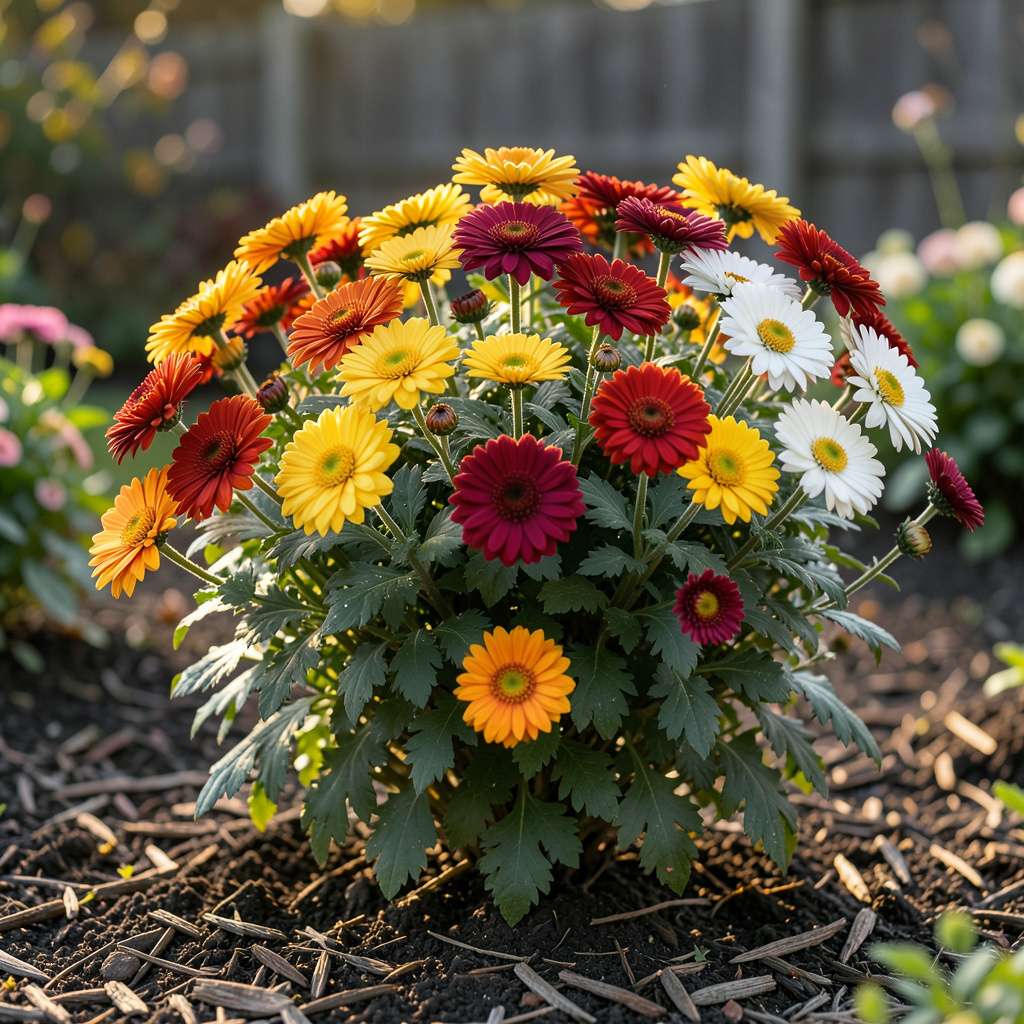
Deer typically avoid mums (chrysanthemums) due to their strong scent and bitter taste, but hungry deer may nibble them in late fall when food is scarce. They’re considered deer-resistant but not deer-proof.
I’ve found through years of gardening that mums’ natural defenses come from compounds called pyrethrins, which are actually used in some organic pesticides. These chemicals create an unpleasant experience for deer, making them instinctively avoid the plants. However, when winter approaches and food becomes limited, even the most resistant plants can become targets. 🌼
What’s fascinating is how environmental factors play a role—during droughts or particularly harsh winters, deer become less picky and may sample plants they’d normally ignore. I always recommend pairing mums with other deterrent strategies, especially if you live in areas with high deer populations.
💡 In This Article
Mums contain natural compounds called pyrethrins, which are potent insecticides found in the plant’s flowers and leaves. These chemicals create an intensely bitter taste and irritate deer’s sensitive mouths, acting as a built-in defense mechanism.
The concentration is highest in the flower buds, where pyrethrin levels can reach 0.5-1.5% of dry weight—enough to deter most grazing animals. 🌼
The strong aromatic fragrance of mums also plays a crucial role in repelling deer. These plants release volatile organic compounds (VOCs) like camphor and pinene, which deer find overwhelming. Studies show deer can detect these scents from 100-200 feet away, often avoiding areas where mums are planted.
The scent becomes particularly potent after rain when essential oils are released from the foliage.
What makes mums especially effective is their dual defense system. While the pyrethrins handle the taste deterrence, the VOCs create an olfactory barrier.
I’ve observed in my own garden that deer will walk right up to mums, sniff intensely, then abruptly turn away—this behavior confirms they’re processing both scent and taste cues before deciding to avoid the plants.
Seasonal changes dramatically affect deer behavior around mums. During spring and summer when food is abundant, deer almost never touch them. However, in late fall when natural forage becomes scarce, I’ve seen deer sample mums out of desperation—particularly the younger, more tender growth.
The plants become less bitter as they mature, making them slightly more vulnerable to hungry deer populations.
The plant’s texture also contributes to its resistance. Mums have slightly fuzzy leaves and stems that create an unpleasant mouthfeel for deer. This physical deterrent combines with the chemical defenses to make mums one of the more deer-resistant ornamental plants available.
Gardeners in high-deer areas often use mums as a protective border around more vulnerable plants. ✨
Interestingly, the color of mums doesn’t seem to affect deer behavior. While you might think bright yellow or red flowers would attract attention, deer rely primarily on scent and taste rather than visual cues when selecting plants to eat. This makes all mum varieties equally effective as deer deterrents, regardless of their bloom color.
For maximum protection, I recommend planting mums in clusters rather than single plants. The concentrated scent and visual barrier created by grouped mums creates a more effective deterrent zone. In my experience, a border of mums at least 2-3 feet wide provides the best protection for other garden plants. 💫
It’s worth noting that while mums are highly deer-resistant, they’re not completely deer-proof. In areas with extremely high deer populations or during severe food shortages, even these well-defended plants may experience some browsing. The key is understanding that deer resistance exists on a spectrum, and mums fall on the highly resistant end of that scale.
Yes, all chrysanthemum varieties share similar deer-resistant properties. The pyrethrin compounds and strong fragrance are consistent across different colors and types. Whether you choose yellow, purple, or white mums, they all contain the same natural deterrents.
Mums can act as a protective barrier when planted strategically. I recommend creating a 2-3 foot wide border of mums around more vulnerable plants. The concentrated scent often deters deer from entering the protected area.
Container mums are actually more vulnerable because deer can access them from all sides. Elevate containers on stands at least 3 feet high or use hanging baskets. Deer are surprisingly resourceful and will stand on hind legs to reach tempting plants.
Late fall and early winter pose the highest risk. As natural food sources become scarce, deer may sample mums despite their bitter taste. I notice increased browsing activity from October through December in my garden.
While mums are highly deer-resistant, I don’t recommend relying on them alone. Combine with fencing, repellents, or motion-activated sprinklers for complete protection. A layered approach accounts for hungry deer that might overcome their natural aversion.
