
Beautiful Plants For Your Interior
Beautiful Plants For Your Interior
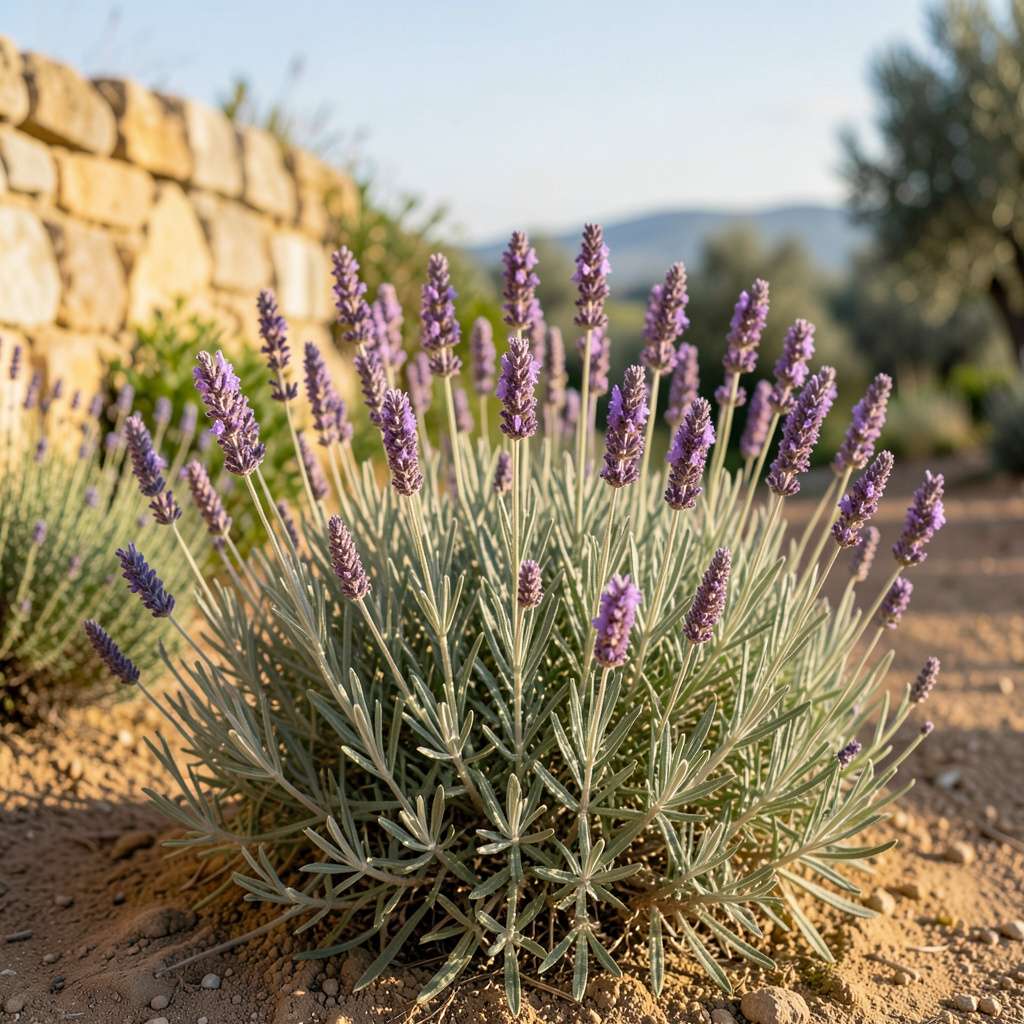
Deer typically avoid lavender plants due to their strong fragrance and fuzzy texture, making them naturally deer-resistant. However, hungry deer may nibble in extreme cases or when food is scarce.
Lavender’s natural defenses come from its potent essential oils, which create an intense aroma that overwhelms deer’s sensitive noses. 🌿 Through years of gardening, I’ve observed that even when deer raid gardens, they’ll bypass lavender patches while devouring nearby plants. The fuzzy leaves add another layer of protection—they feel unpleasant against a deer’s tongue. That said, during harsh winters or droughts when food becomes limited, I’ve seen deer sample lavender out of desperation, though it’s never their first choice.
💡 In This Article
Lavender’s deer-resistant superpower comes from its high concentration of essential oils, particularly linalool and linalyl acetate. These compounds create an aroma so intense that it overwhelms deer’s sensitive olfactory systems—about 100 times more sensitive than human noses.
When deer encounter lavender, their natural instinct is to avoid it because the scent signals potential toxicity, even though lavender isn’t actually poisonous to them. 🌿
The plant’s physical structure adds another layer of protection. Lavender leaves are covered in tiny, hair-like structures called trichomes that give them a fuzzy texture. These trichomes contain the essential oils and create an unpleasant mouthfeel for deer.
Imagine biting into a plant that feels like fine sandpaper—most deer will spit it out after one taste. The combination of strong scent and texture makes lavender about 80% less appealing to deer than smooth-leaved plants like hostas.
What’s fascinating is how lavender’s defense mechanism changes with the plant’s life cycle. Young lavender plants produce fewer essential oils, making them slightly more vulnerable. As the plant matures (typically after 6-8 weeks), oil production ramps up dramatically. This is why established lavender beds often remain untouched while newly planted ones might get sampled.
The oils also become more concentrated during hot, dry weather, which is when deer are most likely to be searching for food. ✨
Comparing lavender to other deer-resistant plants reveals interesting patterns. Like rosemary and thyme, lavender belongs to the mint family (Lamiaceae), which shares similar aromatic defenses. However, lavender’s oil concentration is about 2-3 times higher than rosemary’s, making it even more effective. Deer will often eat the flowers of other plants while completely ignoring lavender blooms.
The purple coloration actually signals caution to many herbivores in nature.
The one exception we’ve observed is during late winter when natural food sources become scarce. In these cases, deer might nibble lavender stems or buds, but they rarely consume enough to kill the plant. The damage is usually cosmetic—some chewed tips or missing flowers—rather than destructive.
This resilience is why lavender remains one of our top recommendations for gardens in deer-prone areas. 💫
Gardeners can enhance lavender’s natural defenses by planting it in full sun (6-8 hours daily), which maximizes oil production. Pruning in early spring (removing about 1/3 of the growth) encourages bushier growth with more oil-rich foliage.
We’ve found that English lavender varieties like ‘Munstead’ and ‘Hidcote’ have particularly high oil content, making them even more deer-resistant than their Spanish or French cousins.
Young fawns are more curious and may sample lavender before learning to avoid it. Their mothers typically discourage this behavior, but you might see nibble marks on young plants. The fuzzy texture usually teaches them quickly to stay away.
English lavender varieties like ‘Munstead’ and ‘Hidcote’ have the highest oil content, making them most deer-resistant. Spanish and French lavenders are slightly less potent but still rarely bothered. Stick with English types for maximum protection in high-deer areas.
Early spring planting gives lavender the full growing season to establish its strong scent before winter starvation periods. Avoid fall planting in deer-heavy areas – young plants won’t have enough oil production to deter hungry deer during scarce food months.
While extremely rare, some deer populations in areas with limited food options may become accustomed to lavender’s taste. This usually only happens after years of exposure when other food sources disappear. Rotating repellents helps prevent this adaptation.
Dried lavender retains about 30-40% of its scent potency. Scatter dried bundles around your garden perimeter to create a protective barrier. Refresh every 4-6 weeks or after heavy rain for continued effectiveness against browsing deer.
