
Beautiful Plants For Your Interior
Beautiful Plants For Your Interior
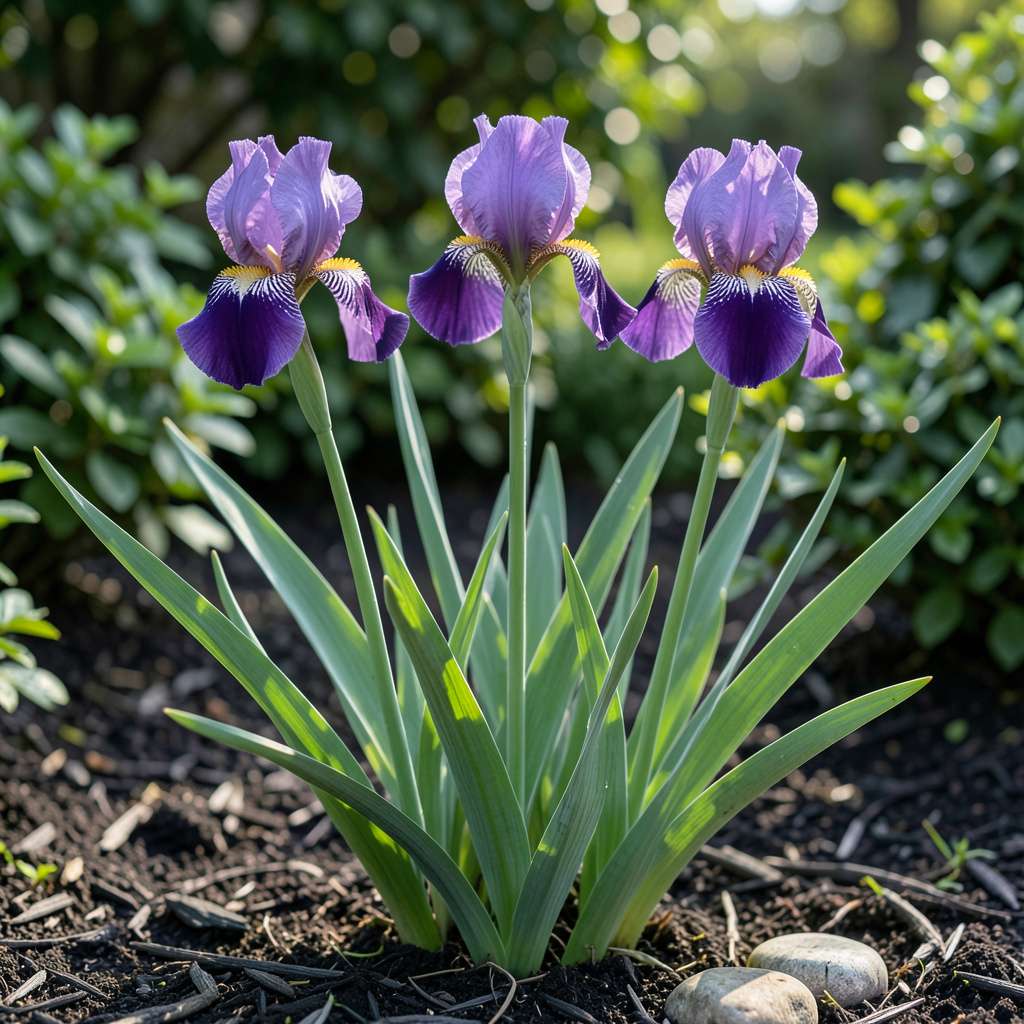
Deer typically avoid eating irises due to their toxic compounds and strong fragrance, but hungry deer may nibble on them in food-scarce conditions or early growth stages. They’re considered deer-resistant but not deer-proof.
Through years of gardening, I’ve noticed irises act like nature’s “keep out” sign for deer—thanks to their bitter-tasting iridin compounds and pungent aroma. 🌿 These perennials are often left untouched when deer have other options, but I’ve seen desperate deer sample them during harsh winters or droughts when food is limited. The key is understanding that resistance isn’t absolute: young shoots and certain iris varieties might still get tested, especially in areas with high deer populations.
What’s fascinating is how deer behavior shifts with the seasons. In spring, when tender new growth appears, even typically avoided plants may get nibbled. I always recommend pairing irises with other deer-resistant plants like lavender or Russian sage to create a multi-layered deterrent system. This approach mimics nature’s diversity, making your garden less appealing as an easy snack bar.
💡 In This Article
The secret lies in the iris plant’s chemical defense system. Irises contain iridin and other toxic glycosides that give them a bitter taste deer instinctively avoid. When deer take a test bite, these compounds trigger an unpleasant reaction in their digestive system, creating a learned aversion.
The concentration is highest in the rhizomes (underground stems), but even the leaves contain enough to deter most browsing.
What makes irises particularly effective is their strong fragrance. Deer rely heavily on scent to locate food, and the volatile organic compounds in iris flowers and foliage act as a natural repellent. In blind taste tests, deer will often reject iris leaves even when mixed with palatable plants.
This olfactory deterrent works best in spring and summer when the plants are actively growing and producing more aromatic compounds.
The timing of deer feeding habits plays a crucial role too. During late winter and early spring when food is scarce, deer become less selective and may sample irises—especially the tender new shoots.
I’ve observed this firsthand in my garden during particularly harsh winters when deer nibbled the emerging iris leaves but left the mature plants untouched once the bitter compounds developed fully.
Comparing irises to deer favorites reveals why they’re often spared. While deer will eagerly devour hostas, tulips, and daylilies (which contain minimal toxins), irises share chemical similarities with other avoided plants like daffodils and foxgloves.
The difference is striking: in a mixed border, I’ve watched deer carefully navigate around irises to reach more palatable plants just inches away.
There’s an interesting seasonal pattern to this resistance. As irises mature through summer, their toxin levels increase while their moisture content decreases—making them even less appealing. The rhizomes become particularly concentrated with irritating compounds by late summer, which is why established iris clumps rarely show deer damage.
Young transplants or newly divided irises are most vulnerable until they establish their chemical defenses.
What many gardeners don’t realize is that deer resistance varies by iris species. Bearded irises (Iris germanica) contain the highest concentrations of deterrent compounds, while some Japanese irises (Iris ensata) have lower toxicity levels and may get sampled more frequently.
The blue and purple varieties tend to have stronger fragrances than white or yellow cultivars, adding another layer of protection.
Environmental factors can override this natural resistance. In areas with overpopulated deer herds or during drought conditions when preferred food sources disappear, even the most toxic irises might get nibbled.
I’ve seen this happen in suburban gardens where deer have become habituated to human presence and are less deterred by plant defenses they would normally avoid in wilder settings.
Not all irises deter deer equally. Bearded irises (Iris germanica) contain the highest toxin levels, making them the most deer-resistant. Japanese irises (Iris ensata) have lower toxicity and may get sampled more often. Dark-colored varieties (purple, blue) tend to have stronger fragrances than white or yellow cultivars.
Late winter through early spring is the riskiest period. Deer become less selective when food is scarce, often nibbling tender new iris shoots. Mature plants develop stronger defenses by summer. Watch for damage during droughts too, when deer expand their diet beyond usual favorites.
Yes! Interplanting with strongly scented companions like lavender, rosemary, or catmint creates a fragrance barrier. Thorny plants (barberry, holly) add physical deterrence. This “scent confusion” technique works best when plants are arranged in clusters rather than single rows.
Look for jagged, torn leaf edges (deer lack upper teeth) and hoof prints in soft soil. Unlike insect damage, deer browsing leaves clean breaks at 45-degree angles. You might also notice missing flower buds or trampled foliage where deer have walked through beds.
Homemade sprays (like rotten egg/water mixtures) can be effective when applied every 2 weeks or after rain. Their strong odor masks the iris scent. For best results, alternate with commercial repellents to prevent deer from becoming accustomed to one smell. Consistency is key!
