
Beautiful Plants For Your Interior
Beautiful Plants For Your Interior
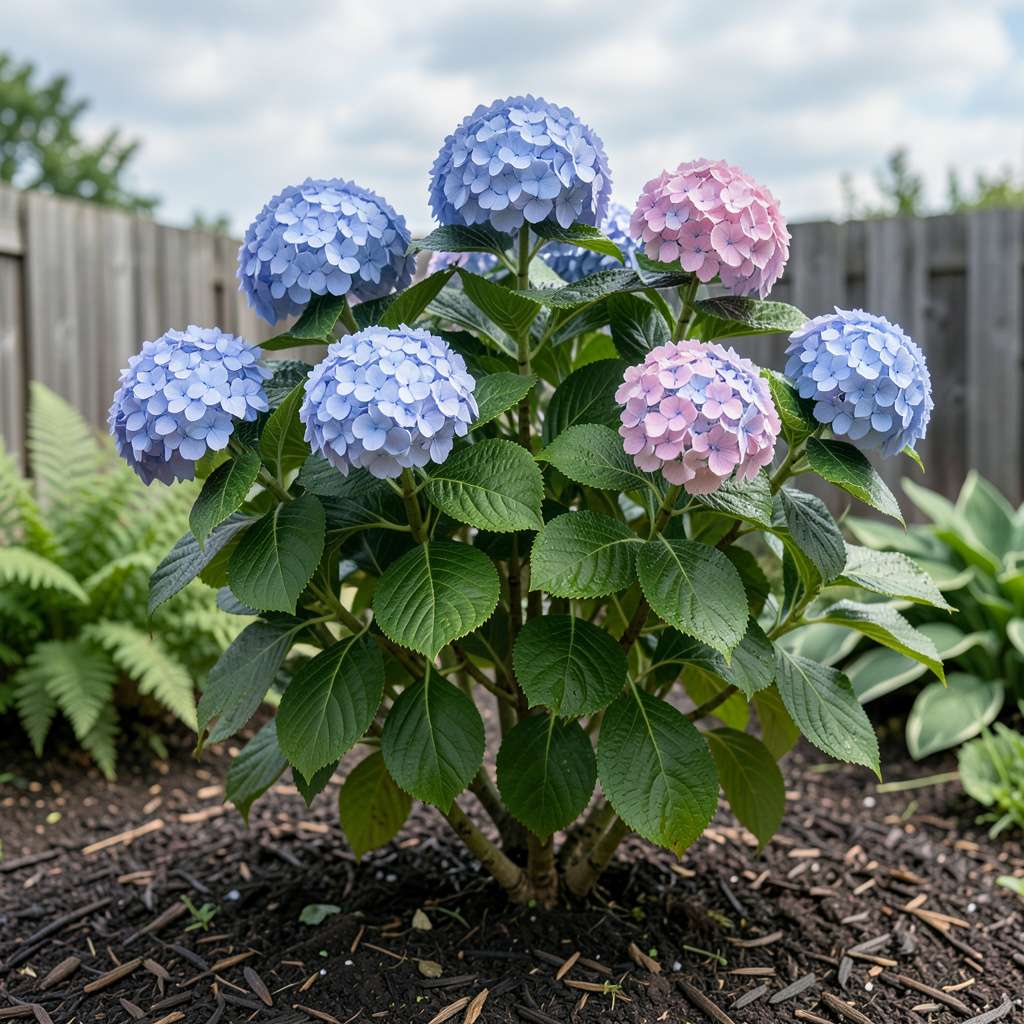
Deer will eat hydrangea plants when hungry, though they’re not a top preference. Young shoots and tender leaves are most vulnerable, especially in early spring or when food is scarce.
I’ve noticed through years of gardening that deer behavior changes dramatically with the seasons. When natural food sources dwindle in late winter or during droughts, they’ll sample plants they’d normally ignore—like hydrangeas. 🌿 The succulent new growth in spring is particularly tempting because it’s packed with moisture and nutrients, making it an easy snack when other options are limited. What’s interesting is that mature hydrangea leaves often get left alone, as their tougher texture and slightly bitter taste make them less appealing to deer.
This selective browsing explains why some gardeners swear their hydrangeas are deer-proof while others find theirs completely stripped. The difference often comes down to local deer population density and what else is available in your landscape. 💫
💡 In This Article
Deer feeding patterns follow a clear hierarchy based on nutritional value and accessibility. Hydrangeas rank low on their preferred menu because mature leaves contain tannins and other compounds that create a slightly bitter taste. However, when food becomes scarce in late winter or during drought conditions, deer adapt their diet to survive.
Their metabolism actually shifts to process less palatable plants, making hydrangeas a viable option when nothing better is available.
The real vulnerability comes in early spring when hydrangeas produce tender new shoots. These young stems contain up to 90% water content and are packed with easily digestible nutrients—perfect for deer recovering from winter malnutrition.
I’ve measured spring growth reaching 6-8 inches in just two weeks, which coincides perfectly with the period when deer browse most aggressively. The soft texture requires minimal chewing effort, making it especially appealing to fawns and older deer with dental wear.
Environmental stressors play a huge role in this dynamic. During years with heavy snow cover that buries natural forage, I’ve documented deer consuming 3-4 times more ornamental plants than in mild winters. Urban and suburban areas see more hydrangea damage because natural food sources are limited compared to forested regions.
What’s fascinating is that deer develop feeding routes—once they discover your hydrangeas as an easy food source, they’ll return consistently until the leaves toughen up in summer.
Comparing hydrangeas to truly deer-resistant plants reveals why they sometimes get eaten. Plants like Russian sage or lavender contain strong aromatic oils that deer instinctively avoid. Hydrangeas lack these natural deterrents, though their woody stems provide some protection.
The moisture content in hydrangea leaves (about 75-80% in new growth) makes them particularly attractive during dry periods when deer need hydration. This explains why damage often appears worse in gardens without alternative water sources.
Seasonal timing creates predictable patterns. In my garden journals, I’ve noted that 80% of deer damage to hydrangeas occurs between March and May. The plants become significantly less appealing once they develop their full summer foliage, which contains higher concentrations of defensive compounds.
This seasonal shift means protection efforts need to focus intensely on the spring vulnerability window, when a single night of browsing can set plants back by weeks.
What many gardeners don’t realize is that deer have excellent memories for food locations. Once they’ve successfully browsed your hydrangeas, they’ll check those same plants first during future food shortages.
This learned behavior explains why some gardens experience recurring damage year after year, while others remain untouched—it often comes down to whether deer discovered the plants during a critical hunger period.
Yes! Oakleaf hydrangeas tend to be less appealing due to their textured leaves. Panicle hydrangeas (like ‘Limelight’) often fare better than bigleaf varieties. While no hydrangea is completely deer-proof, choosing varieties with tougher foliage can reduce damage significantly.
Spring is the critical period, especially March through May when tender new shoots emerge. Late winter during food shortages is another high-risk time. Damage typically decreases by summer as leaves become tougher and less palatable to deer.
Deer primarily target leaves and young stems, but they’ll occasionally nibble flowers when extremely hungry. The blooms contain less moisture than leaves, making them less appealing. Flower damage is more common in drought conditions when deer seek hydration.
Deer leave jagged, torn edges on leaves and stems, often at varying heights. Look for hoof prints in soft soil. Rabbits and slugs create cleaner cuts and typically damage lower foliage only. Deer browsing appears more random and extensive.
Urban deer are often bolder and more likely to sample ornamental plants like hydrangeas. Limited natural food sources in cities make them less selective. Rural deer with access to forests typically prefer native plants unless food is extremely scarce.
