
Beautiful Plants For Your Interior
Beautiful Plants For Your Interior
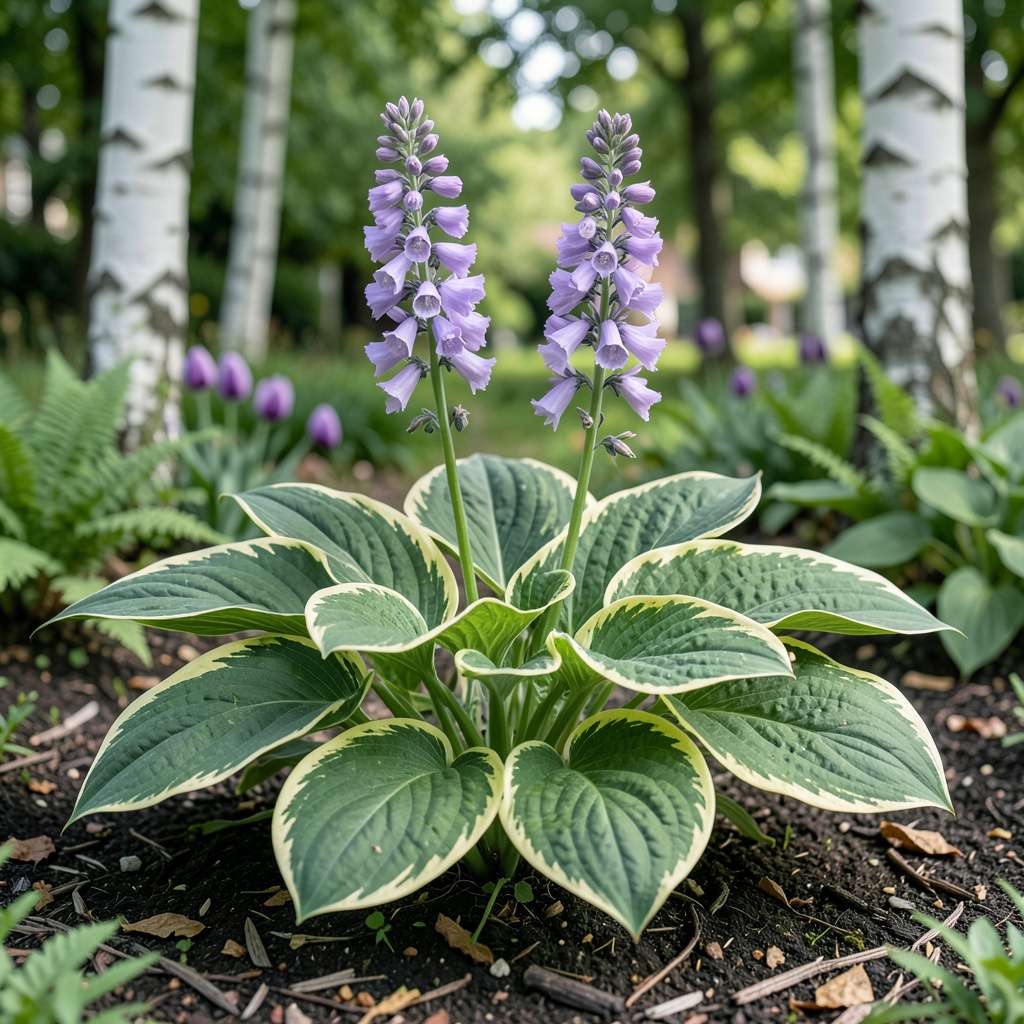
Yes, deer absolutely love hosta plants and will eat them whenever possible. Hostas are among their favorite garden snacks due to the tender leaves and high moisture content, making them a prime target in deer-populated areas.
I’ve watched deer completely decimate entire hosta beds overnight—these plants are like candy to them. 🌿 The combination of juicy foliage and easy-to-chew texture makes hostas irresistible, especially during dry summer months when other food sources are scarce. What’s particularly frustrating is that deer often target the most mature, lush plants first, leaving gardeners with nothing but stems. This isn’t just a random snacking behavior; it’s a calculated choice based on nutritional value and water content.
💡 In This Article
Deer aren’t just randomly munching on your hostas—they’re making a calculated nutritional choice. Hostas contain approximately 90% water content in their leaves, making them a hydrating snack that’s especially valuable during dry summer months.
The leaves are also packed with soluble carbohydrates and minerals like potassium, which deer can digest more easily than tougher, fiber-rich plants. This nutritional profile makes hostas the equivalent of a garden salad bar for deer. 🌱
The physical structure of hosta leaves plays a huge role in their appeal. Unlike plants with leathery or hairy leaves (like lamb’s ear), hostas have smooth, broad leaves with minimal natural defenses. Their cell walls are thinner than most garden plants, requiring 30% less chewing effort compared to something like rhododendron leaves.
Deer have evolved to prefer plants that offer maximum nutrition with minimal energy expenditure—hostas check both boxes perfectly.
Seasonal patterns intensify this preference. In early spring when new hosta shoots emerge, they’re particularly tender and high in sugars—deer can detect this through scent receptors that are 1,000 times more sensitive than human noses. Late summer brings another feeding frenzy as deer prepare for winter, consuming up to 7 pounds of vegetation daily.
Your hostas become a high-value target during these critical feeding periods. 🦌
What’s fascinating is how deer learn and remember prime feeding spots. Studies show they can recall locations of preferred food sources for up to 12 months, returning to the same gardens year after year.
Once one deer discovers your hosta bed, it will communicate this find to others through pheromone marking and physical cues—explaining why damage often escalates rapidly after the first incident.
Comparisons with other plants reveal why hostas get hit hardest. While deer might sample daylilies or ornamental grasses, they’ll typically consume only 10-20% of those plants. With hostas, it’s often 100% defoliation because the entire plant is palatable—from the youngest shoots to mature leaves.
Even the flower stalks get eaten, which is unusual for deer that typically avoid woody stems. This complete edibility makes hostas uniquely vulnerable in the garden ecosystem.
The moisture factor can’t be overstated. During drought conditions, deer will travel up to 2 miles to find water-rich plants like hostas. Their ability to detect water content through scent means they can locate your hosta bed from surprising distances.
This explains why even gardens with diverse plantings often see hostas targeted first—they’re essentially living water stations for deer populations. ✨
Interestingly, hosta varieties with thicker, more textured leaves (like ‘Blue Angel’) show slightly more resistance, but no variety is completely deer-proof. The animals will simply adjust their eating pattern, consuming the more tender inner leaves first before moving to the outer, tougher foliage.
This selective feeding behavior often gives gardeners false hope that certain hostas are “deer-resistant” until the animals return for the remaining portions.
While no hosta is completely deer-proof, thicker-leaved varieties like ‘Blue Angel’ or ‘Halcyon’ show slightly more resistance. Deer typically avoid the toughest outer leaves first, but will eventually consume them too. The key is choosing varieties with textured or corrugated foliage that’s less appealing.
Early spring and late summer are peak danger times. New shoots in spring are tender and sugar-rich, while late summer deer consume 50% more vegetation preparing for winter. These periods require extra protection measures.
Yes, but they require consistent application. A mix of 1 raw egg, 1 gallon water, and 1 tbsp hot sauce works well when sprayed weekly. The key is rotating recipes so deer don’t acclimate to one scent.
An 8-foot fence is ideal as deer can jump up to 7 feet when motivated. For smaller areas, 3-foot tall chicken wire cylinders around individual plants provide effective protection.
Most hostas will regrow if the crown remains intact. Remove damaged foliage and provide extra water to help recovery. Severe, repeated damage may require replacing plants entirely.
