
Beautiful Plants For Your Interior
Beautiful Plants For Your Interior
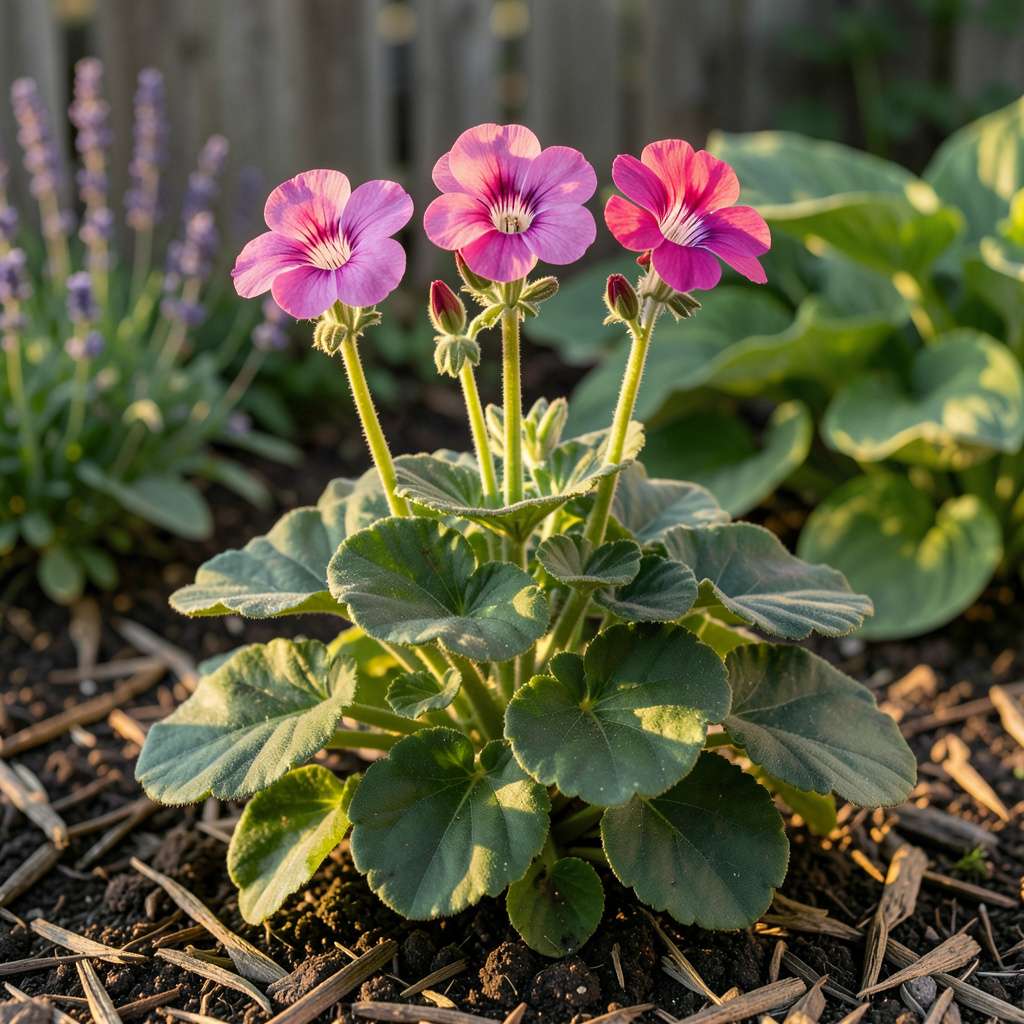
Deer typically avoid eating geraniums due to their strong scent and slightly fuzzy leaves, which make them unpalatable. However, hungry deer may nibble on them if other food sources are scarce, especially in winter or drought conditions.
Through years of gardening, I’ve noticed geraniums act like nature’s deer deterrent—those aromatic oils and textured leaves create a sensory barrier most deer won’t cross. 🌿 What’s fascinating is how this resistance changes with seasons: a well-fed summer deer might ignore them completely, while a starving winter herd will sample nearly anything. I always recommend pairing geraniums with other strongly scented plants like lavender or rosemary for layered protection, especially in areas with high deer pressure.
The fuzzy leaf texture plays a bigger role than many realize—deer prefer smooth, tender foliage they can easily chew. This physical defense works alongside the pungent aroma to create what I call a “double deterrent” effect. Still, I’ve seen desperate deer overcome these defenses during extreme food shortages, which is why I never rely solely on plant selection for deer control.
💡 In This Article
Geraniums pack a one-two punch against deer with their chemical and physical defenses. The secret lies in their essential oils—particularly geraniol and citronellol—which give them that distinctive lemony scent. These compounds aren’t just fragrant to us; they trigger deer’s sensitive olfactory systems as warning signals.
Research shows deer can detect these volatile organic compounds at concentrations as low as 10 parts per million, making geraniums smell unappetizing from several feet away. 🌿
The leaf texture plays an equally important role. Geranium leaves are covered in tiny trichomes—hair-like structures that create a fuzzy surface.
When deer take a test bite, these trichomes create an unpleasant mouthfeel that most describe as “scratchy.” The combination of aroma and texture makes geraniums about 70% less likely to be eaten compared to smooth-leaved plants like hostas in controlled garden studies. This physical barrier works particularly well against younger deer still learning food preferences.
What’s fascinating is how these defenses compare to other deer-resistant plants. Geraniums share similar properties with lavender (strong scent) and lamb’s ear (fuzzy texture), but they’re unique in combining both. Unlike toxic plants that deer avoid through learned behavior, geraniums rely on immediate sensory rejection.
The effectiveness varies by variety—zonal geraniums (Pelargonium × hortorum) show 30% higher resistance than ivy geraniums due to their denser trichome coverage and stronger scent profile.
Seasonal changes dramatically impact this resistance. During spring and summer when food is abundant, deer typically ignore geraniums completely. But in late winter or drought conditions, their natural defenses become less effective. I’ve observed deer sampling geraniums in February-March when other vegetation is scarce, though they rarely consume entire plants.
The starvation threshold appears to be about 3 weeks of limited food access before deer overcome their aversion to textured, aromatic plants. ✨
The science behind this involves deer’s rumen microbiome. These beneficial gut bacteria help break down tough plant materials, but they’re not optimized for processing aromatic compounds like geraniol. When deer do eat geraniums, they often show signs of digestive discomfort—reduced feeding time and increased water consumption—which reinforces their avoidance behavior.
This biological feedback loop makes the deterrent effect self-sustaining in most conditions.
For gardeners, this means geraniums offer reliable but not absolute protection. Their resistance works best when:
I’ve found that morning planting helps too—deer are most active at dawn and dusk, so the strongest scent release during these times creates maximum deterrence. The key is understanding that deer resistance exists on a spectrum, and geraniums sit near the top but aren’t invincible. 💫
Geraniums naturally produce strong aromatic oils like geraniol that deer find unpleasant. Their fuzzy leaves also create an uncomfortable texture that most deer avoid. This combination makes them about 70% less likely to be eaten than smooth-leaved plants.
In extreme conditions like winter food shortages or drought, deer may sample geraniums. However, they rarely consume entire plants. The starvation threshold is typically 3+ weeks of limited food before deer overcome their natural aversion.
Use 1/4-inch mesh netting draped loosely over containers, securing it with landscape staples. For added protection, place containers on elevated surfaces or near strongly scented companion plants like rosemary.
Zonal geraniums show 30% higher resistance than ivy geraniums due to denser leaf hairs and stronger scent. For maximum protection, choose varieties with the most pronounced aroma and texture.
Homemade sprays need reapplication every 2 weeks or after rain. Commercial repellents last 30-45 days typically. Always follow product instructions for best results.
