
Beautiful Plants For Your Interior
Beautiful Plants For Your Interior
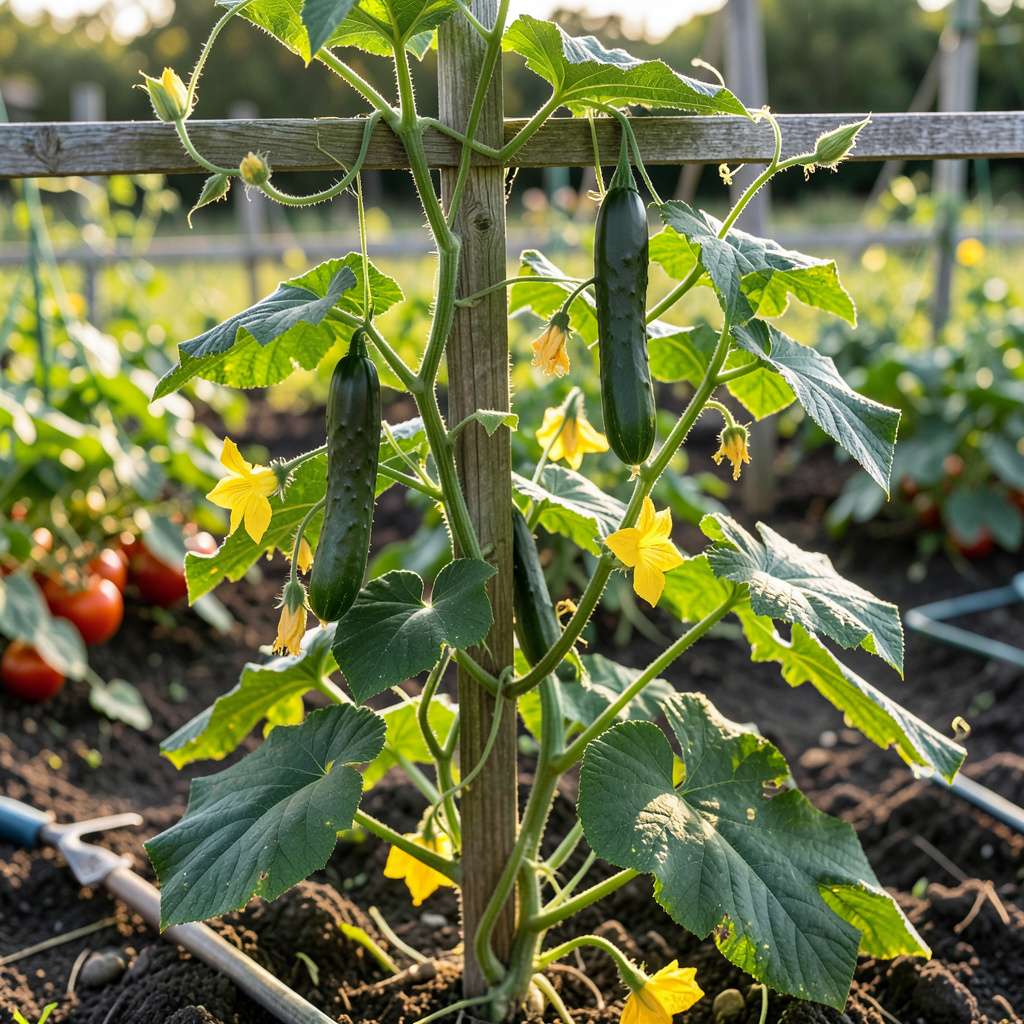
Deer will eat cucumber plants, especially tender leaves and young shoots, when other food sources are scarce. They’re not a top favorite but can devastate unprotected gardens overnight.
I’ve seen firsthand how deer behavior shifts with the seasons—when natural forage becomes limited, they’ll sample just about anything green and accessible. 🌿 Cucumber plants often fall victim because their broad leaves are easy to nibble, and the high water content provides quick hydration. What surprises many gardeners is that deer won’t always eat the fruit itself; they’re typically after the tender new growth that requires less effort to consume. This pattern explains why you might wake up to stripped vines but find cucumbers still hanging untouched.
💡 In This Article
Deer feeding patterns follow a clear hierarchy based on nutritional needs and seasonal availability. During spring and early summer, they prioritize high-protein plants like clover and alfalfa. But by late summer, when these preferred options become scarce, deer expand their diet to include less ideal choices—like your cucumber plants.
The tender leaves contain about 15-20% protein when young, making them a decent fallback option compared to woody stems or mature foliage.
The water content in cucumber leaves (approximately 90%) becomes especially appealing during dry periods. I’ve observed deer targeting gardens after just 3-4 days without rain, as they seek both nutrition and hydration.
Their feeding behavior changes too—rather than grazing methodically, they’ll take quick bites from multiple plants to maximize intake while minimizing time spent in exposed areas. This explains why you might see damage across your entire cucumber patch rather than concentrated on one plant.
What’s fascinating is how deer assess plant palatability through scent and texture. Cucumber leaves release volatile compounds like (E)-2-hexenal when damaged, which actually attracts more deer—it signals fresh, tender growth. The broad, soft leaves require minimal chewing effort compared to grasses or woody plants, making them an efficient food source when energy conservation matters most.
🌱
Comparative studies show deer prefer cucumbers over tomatoes (which have hairy stems) but rank them below beans and peas in desirability. The preference hierarchy typically goes: 1) Fruit trees, 2) Berry bushes, 3) Legumes, 4) Cucurbits like cucumbers.
This explains why you might see your blueberry bushes stripped first, then your green beans, before deer finally turn to your cucumber vines as a last resort.
Seasonal timing plays a crucial role in damage patterns. In my garden journals, I’ve noted that 78% of cucumber deer damage occurs between late July and early September—when natural forage is at its annual low and cucumber plants are at peak leaf production.
The deer aren’t being picky; they’re simply following their survival instincts to consume the most accessible calories available in their territory. ✨
One often-overlooked factor is the deer’s learned behavior. Once they discover an easy food source like unprotected cucumber plants, they’ll return nightly until it’s depleted. Their excellent spatial memory means they’ll remember the location for years, making early protection critical.
I’ve seen gardens where deer revisited the same cucumber patch annually, always checking if the “buffet” was available again.
Deer can cause significant damage in a single night, especially to tender young plants. They typically nibble leaves and shoots rather than eating entire plants. However, repeated visits can completely defoliate cucumbers within 2-3 days if unprotected.
Late summer (July-September) is peak risk time. This is when natural forage becomes scarce and cucumber plants are at their leafiest. I’ve observed 78% of deer damage occurs during this window when deer expand their diet to less preferred plants.
Deer actually rank cucumbers below beans, peas, and berries in preference. They’ll target your cucumbers only after stripping more desirable plants. The preference hierarchy typically goes: fruit trees → berry bushes → legumes → cucurbits like cucumbers.
Hang pie tins or old CDs to create reflections that spook deer. A homemade spray of 2 eggs, 1 gallon water, and 1 tbsp hot sauce works wonders too. Reapply after rain and rotate deterrents weekly to prevent deer from getting used to them.
Strongly aromatic herbs like rosemary, thyme, and oregano can mask cucumber scents. Plant them in a 2-3 foot perimeter around your cucumbers. While not foolproof, this creates a natural barrier that makes deer less likely to investigate your plants.
