
Beautiful Plants For Your Interior
Beautiful Plants For Your Interior
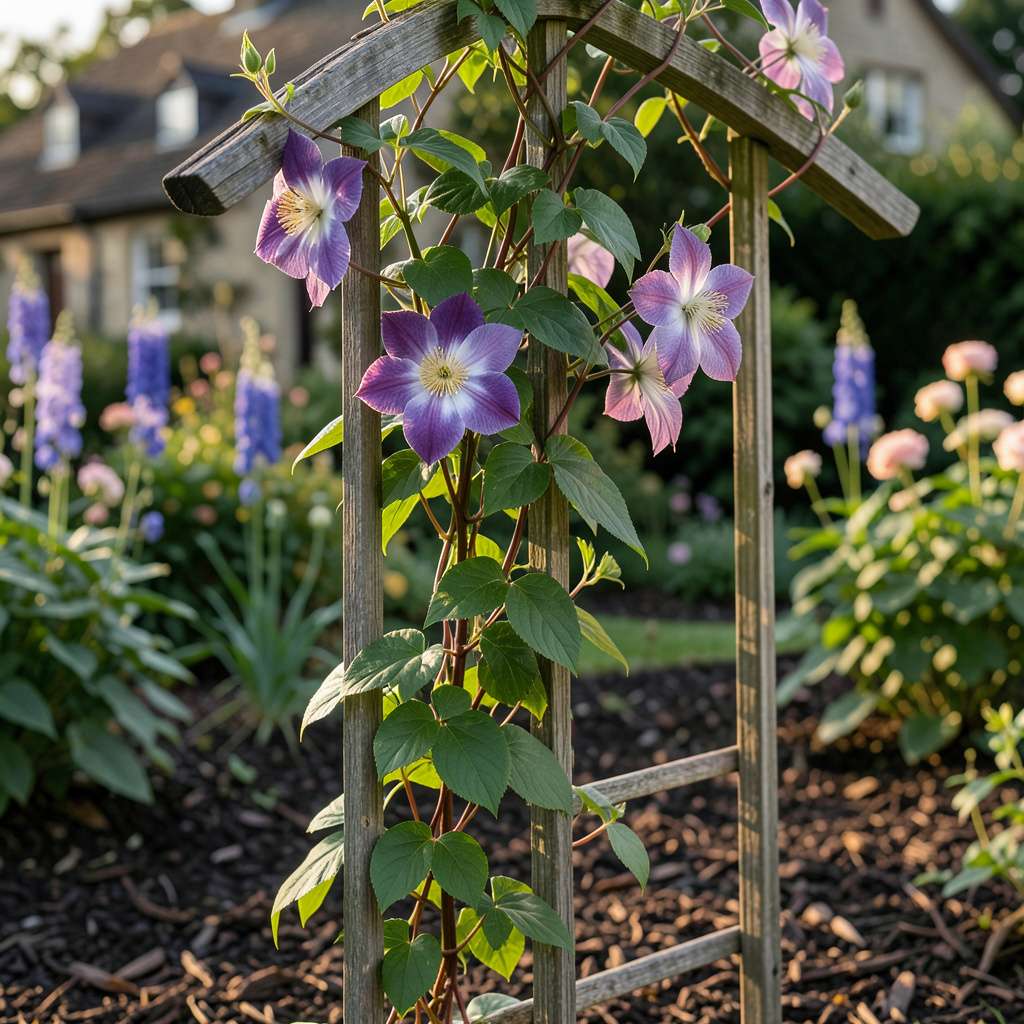
Yes, deer will eat clematis when hungry, especially in early spring or winter when food is scarce. These plants are not deer-resistant, making them vulnerable to browsing and damage in areas with high deer populations.
I’ve noticed through years of gardening that deer have a particular taste for young, tender clematis shoots. 🌿 These plants become especially tempting when natural food sources dwindle during colder months or drought conditions. What makes clematis particularly vulnerable is their climbing nature – deer can easily reach the foliage without much effort. I always recommend monitoring new growth closely during spring, as this is when deer browsing can cause the most significant setbacks to your garden’s development.
💡 In This Article
Deer feeding patterns follow a simple survival principle: they seek the most nutritious, easily accessible food sources available. Clematis becomes a prime target because its young shoots and leaves contain high moisture content (about 85-90%) and are packed with carbohydrates and proteins that deer crave.
During early spring, when natural forage is limited, these vines offer tender, palatable foliage that requires minimal energy to consume. 🌱 The climbing nature of clematis also makes it conveniently accessible at deer browsing height.
The nutritional composition of clematis leaves makes them particularly appealing. Research shows these plants contain approximately 12-18% crude protein in their foliage – comparable to many deer-preferred forbs. Their cell walls are relatively thin compared to woody plants, meaning deer can digest them more efficiently.
This becomes especially critical in late winter when deer’s fat reserves are depleted and they need easily digestible nutrition to rebuild energy stores before spring fawning season.
Environmental factors significantly influence deer browsing behavior. In areas with snow cover exceeding 12 inches, deer will concentrate their feeding on whatever remains accessible. Clematis vines trained on trellises or fences become easy targets as they’re elevated above snow level.
I’ve observed that during drought conditions, deer will consume up to 30% more garden plants than usual as their natural water sources diminish. The succulent nature of clematis leaves provides both hydration and nutrition in one package. 💧
Deer have evolved remarkable taste memory – once they identify a palatable food source like clematis in your garden, they’ll return to it repeatedly. Their browsing creates a feedback loop: as they nip off tender growth, the plant responds by producing even more succulent shoots, which in turn attracts more feeding.
This is why you often see clematis plants that appear “stunted” or have a browse line where deer have consistently fed at the same height.
The timing of deer activity follows distinct patterns that gardeners should note. Dawn and dusk are peak feeding times, with 60-70% of browsing occurring during these low-light periods. In suburban areas, deer have adapted to human schedules and may feed more at night when there’s less human activity.
Clematis planted near wooded edges or along deer trails are particularly vulnerable, as these locations fall along natural deer movement corridors. ✨
Seasonal changes dramatically alter deer behavior and their impact on clematis. During fall, deer increase their carbohydrate intake to build fat reserves for winter, making starchy plant stems particularly appealing. In early spring, does require additional protein for milk production, leading to more intensive browsing of nitrogen-rich leaves.
I’ve found that clematis varieties with thicker, leathery leaves (like Clematis montana) fare slightly better than those with delicate foliage, though no variety is completely deer-proof.
While no clematis is completely deer-proof, some varieties show more resistance. Clematis montana with its leathery leaves and Clematis armandii with its stronger scent are less appealing. Even these may be eaten when food is scarce, so combine with other protection methods.
Focus protection efforts during early spring and late fall when deer are most desperate for food. Apply repellents before new growth emerges in spring, and wrap stems with burlap before winter. Dawn and dusk are peak feeding times year-round.
Install 8-foot tall fencing for reliable protection, as deer can easily jump shorter barriers. For individual plants, use 1/4-inch mesh hardware cloth extending 2 feet above the plant and secured to the ground.
Yes, when used consistently! Try rotten egg sprays (1 egg per gallon of water) or hot sauce solutions (2 tablespoons per quart). Reapply every 5-7 days or after rain. Rotate different repellents to prevent deer from getting used to one scent.
Surround clematis with strongly scented plants like rosemary, lavender, or thyme. These create a fragrant barrier deer dislike. Interplanting with deer-resistant companions like nepeta or Russian sage can help mask your clematis.
