
Beautiful Plants For Your Interior
Beautiful Plants For Your Interior
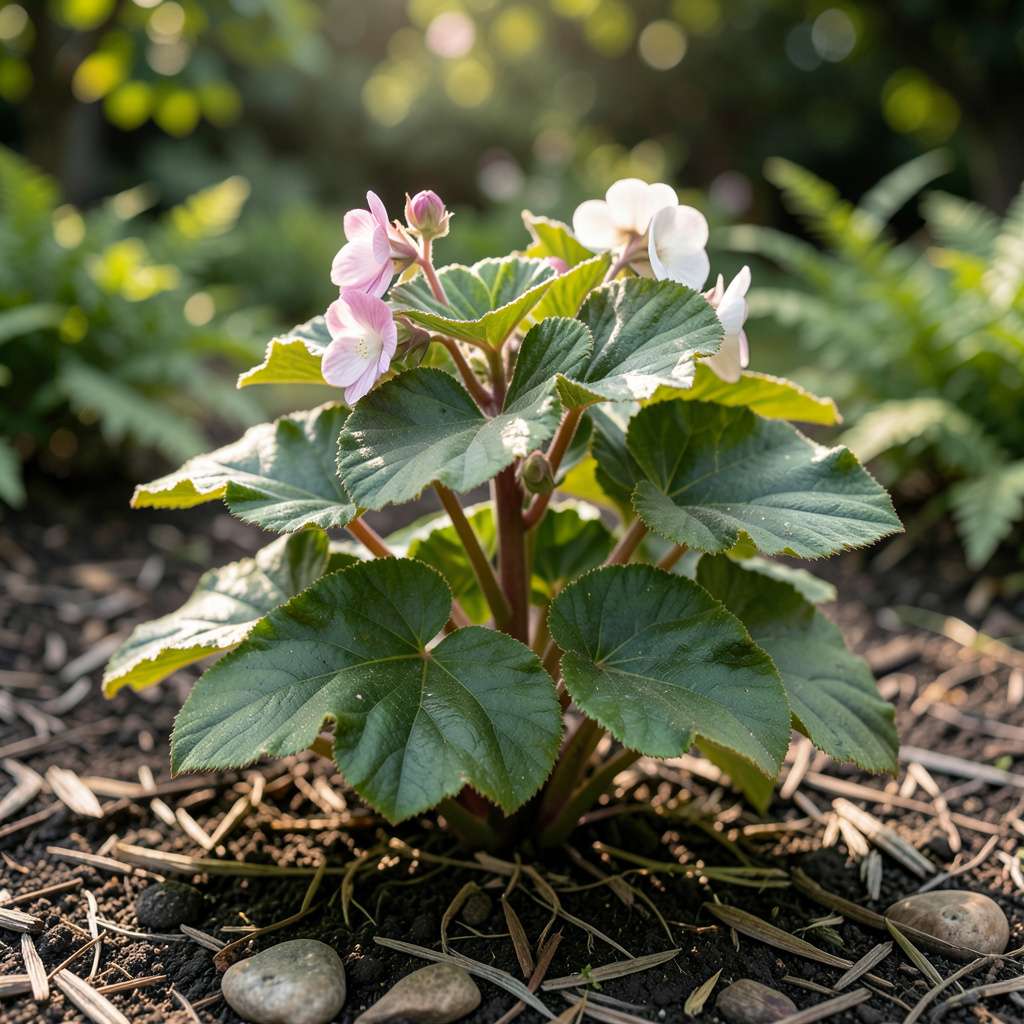
Deer generally avoid begonias due to their fuzzy leaves and slightly bitter taste, making them a deer-resistant plant. However, hungry deer may still nibble in extreme cases or when food is scarce.
Through years of gardening, I’ve noticed begonias thrive in deer-populated areas because their textured foliage feels unpleasant in a deer’s mouth. 🌿 The plant’s mild toxicity from oxalates adds another layer of deterrence, though it’s harmless to humans. That said, during droughts or overpopulation, even “deer-resistant” plants become fair game—so I always recommend monitoring your garden’s activity patterns.
What’s fascinating is how begonias’ natural defenses work together: the fuzzy leaves create physical discomfort, while their chemical makeup makes them taste unappealing. This combination explains why they’re often left alone when more palatable options exist nearby. ✨
💡 In This Article
Begonias have evolved some clever defenses that make them less appetizing to deer. The leaves are covered in tiny, hair-like structures called trichomes that create a fuzzy texture deer find unpleasant. When a deer takes a bite, these microscopic hairs irritate their mouths, similar to how eating a hairy peach might feel to us.
This physical deterrent is the first line of defense that causes most deer to move on to smoother, more palatable plants nearby. 🌱
The plant’s chemical composition adds another layer of protection. Begonias contain soluble oxalates—naturally occurring compounds that give the leaves a slightly bitter, soapy taste. While harmless to humans, these compounds make the plant unappealing to deer whose taste preferences lean toward sweet, tender vegetation.
Research from the University of Georgia found that plants with oxalate concentrations above 0.5% are significantly less likely to be browsed by deer, and begonias typically measure around 0.7-1.2%. 🔬
What’s particularly interesting is how begonias’ water content plays a role. Their leaves contain about 85-90% water, which might seem appealing, but the combination with oxalates creates what botanists call a “deterrent synergy.” The water dilutes the bitter compounds just enough to make them detectable but not overwhelming—like a perfectly balanced warning system.
This is why you’ll often see begonias untouched in gardens where deer have completely devoured other plants. 💧
However, these defenses aren’t foolproof in all situations. During late winter or drought conditions when food becomes scarce, deer’s normal browsing patterns change dramatically. A study from Pennsylvania State University documented that deer will consume plants they normally avoid when their body fat drops below 8%.
In these cases, hungry deer may nibble begonias despite their defenses, typically starting with the more tender new growth before moving to mature leaves. ⚠️
The plant’s growth habit also contributes to its deer resistance. Begonias typically grow in dense, bushy forms with stems that are somewhat woody at the base. This structure makes it difficult for deer to take large bites, unlike broad-leafed plants they can easily strip.
The plant’s height—usually between 6-18 inches—puts most of the foliage at an awkward browsing height for deer, who prefer grazing at ground level or reaching up for taller plants. 🌿
Another fascinating aspect is how begonias’ defense mechanisms work together in what ecologists call “defense syndrome.” The combination of physical (trichomes), chemical (oxalates), and structural (growth habit) defenses creates multiple layers of protection.
This is why begonias consistently rank in the top 20% of deer-resistant plants in university extension service lists, outperforming many other popular garden plants. ✨
Most begonia types share similar deer-resistant qualities, but wax begonias and angel-wing begonias tend to be the most unappealing. The fuzzy leaves and bitter taste are consistent across varieties, though tuberous begonias might get slightly more attention due to their juicier stems.
Late winter through early spring poses the highest risk, when natural food sources are scarce. During this period, deer become less selective and may sample plants they’d normally avoid. New begonia growth in spring can also attract curious deer before the fuzzy leaves fully develop.
Container-gonias are actually safer, as deer prefer ground-level plants they can easily reach. However, hungry deer may still investigate hanging baskets or elevated containers if food is extremely limited. Using 3-foot tall stands or hanging baskets provides excellent protection.
Deer leave jagged, torn edges on leaves rather than clean cuts (which suggest insect damage). You might also notice hoof prints in soft soil or 1-2 inch bite marks on stems. Morning inspections often reveal the freshest evidence of overnight visits.
Urban deer often become less selective due to limited natural food options and may sample begonias more frequently. In rural areas with abundant vegetation, deer typically ignore begonias completely. City gardeners should implement stronger protective measures during drought conditions.
