
Beautiful Plants For Your Interior
Beautiful Plants For Your Interior
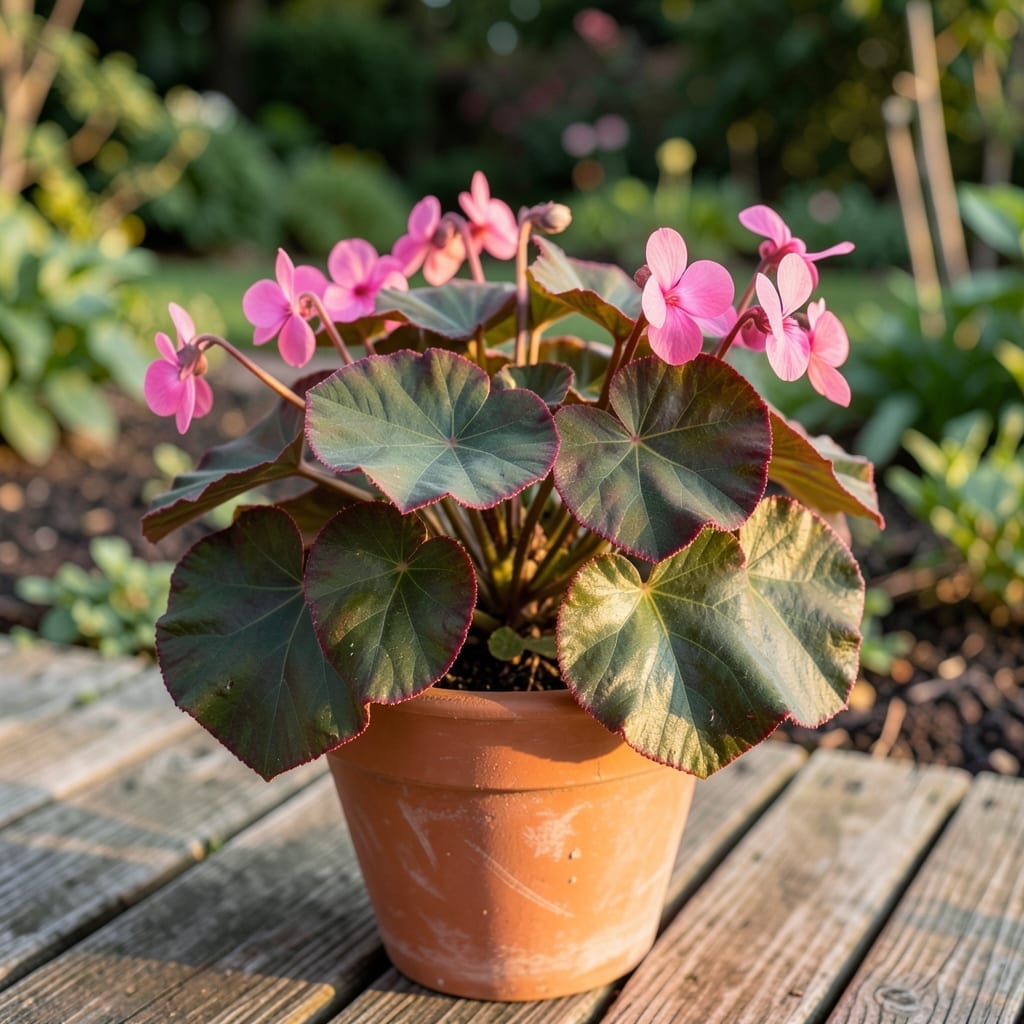
Whether you’re a seasoned gardener or just starting out, understanding the 🌸 Begonia’s light preferences can make or break your success with these colorful, versatile plants.
Different varieties have unique needs, and getting it right means the difference between healthy blooms and struggling foliage. I’ve seen firsthand how the right placement transforms these beauties.
Discover the simple yet crucial differences between sun-loving and shade-preferring types, and how to give each exactly what it needs to thrive.
 Best Window Placement
I’ve learned that begonias aren’t one-size-fits-all when it comes to light exposure. Each variety has its own sweet spot, and getting it wrong can lead to wilted leaves or stunted growth. Let’s break down what works best for each type.
From my experience, tuberous begonias thrive in partial shade, while fibrous types can handle a bit more sun. The key is understanding their natural habitat and replicating it in your garden or home. 🌿
| Variety | Ideal Light | Sun Tolerance | Shade Preference |
|---|---|---|---|
| Tuberous | Partial shade | Low | High |
| Fibrous | Bright indirect | Moderate | Moderate |
| Rex | Full shade | None | Very High |
| Cane | Filtered sun | High | Low |
In my garden, I’ve found that tuberous begonias do best under tree canopies where they get dappled sunlight. This mimics their natural forest floor habitat and keeps their blooms vibrant without scorching.
Fibrous begonias, like the classic wax begonia, can handle morning sun but need protection from the harsh afternoon rays. I place mine on the east side of my patio where they get gentle light to start the day.
Rex begonias are the divas of the group—they demand full shade and high humidity. I grow mine indoors near a north-facing window where they get soft, indirect light. Their stunning foliage patterns are worth the extra care!
For cane begonias, I use a sheer curtain to filter the sunlight from a west-facing window. This gives them the bright light they love without the risk of leaf burn. They reward me with tall, elegant stems and clusters of flowers.
If you’re unsure about your garden’s light levels, try this: place your hand where the begonias will grow. If your hand casts a sharp shadow, it’s full sun. A soft shadow means partial shade, and no shadow indicates full shade.
Remember, seasonal changes affect light intensity. In summer, even shade-loving begonias might need extra protection during heatwaves. In winter, you might need to move potted begonias closer to windows to compensate for weaker sunlight. ☀️
I’ve made the mistake of assuming all begonias need the same care. Trust me, adjusting for variety makes all the difference in their health and blooming potential. Take notes on how each type responds to its spot, and don’t be afraid to move them around! 🌱
I’ve seen my share of struggling begonias, and more often than not, light issues are the culprit. These plants are surprisingly vocal about their needs if you know what to look for.
From faded blooms to stretched stems, your begonias will show clear signs when their light conditions aren’t quite right. Here’s how to read those signals before it’s too late. 🌿
This is a classic sign of too much direct sunlight, especially in tuberous and rex varieties that prefer shade.
When begonias get too little light, they stretch toward the light source, resulting in weak stems and sparse blooms.
Excessive sun can bleach the chlorophyll in leaves, while insufficient light may cause chlorosis (yellowing).
Heat stress from direct midday sun can cause temporary wilting, even in sun-tolerant varieties.
This often means light shock from sudden changes, like moving a shade-loving rex into direct sun too quickly.
I once moved a wax begonia from a shady spot to full sun, and within days, its leaves turned crispy. The fix was simple: I moved it back and used a sheer curtain to filter the light.
For indoor begonias, watch for leaning stems. This is their way of telling you they need more light. Rotate your pots weekly to ensure even growth and prevent lopsided plants.
Outdoor begonias might need seasonal adjustments. In summer, even sun-loving cane types can benefit from afternoon shade in extreme heat. In winter, move potted begonias to brighter spots to compensate for weaker sunlight.
Remember, gradual changes are key. If you need to adjust light levels, do it over 7-10 days to avoid shocking your plants. 🌱