
Beautiful Plants For Your Interior
Beautiful Plants For Your Interior
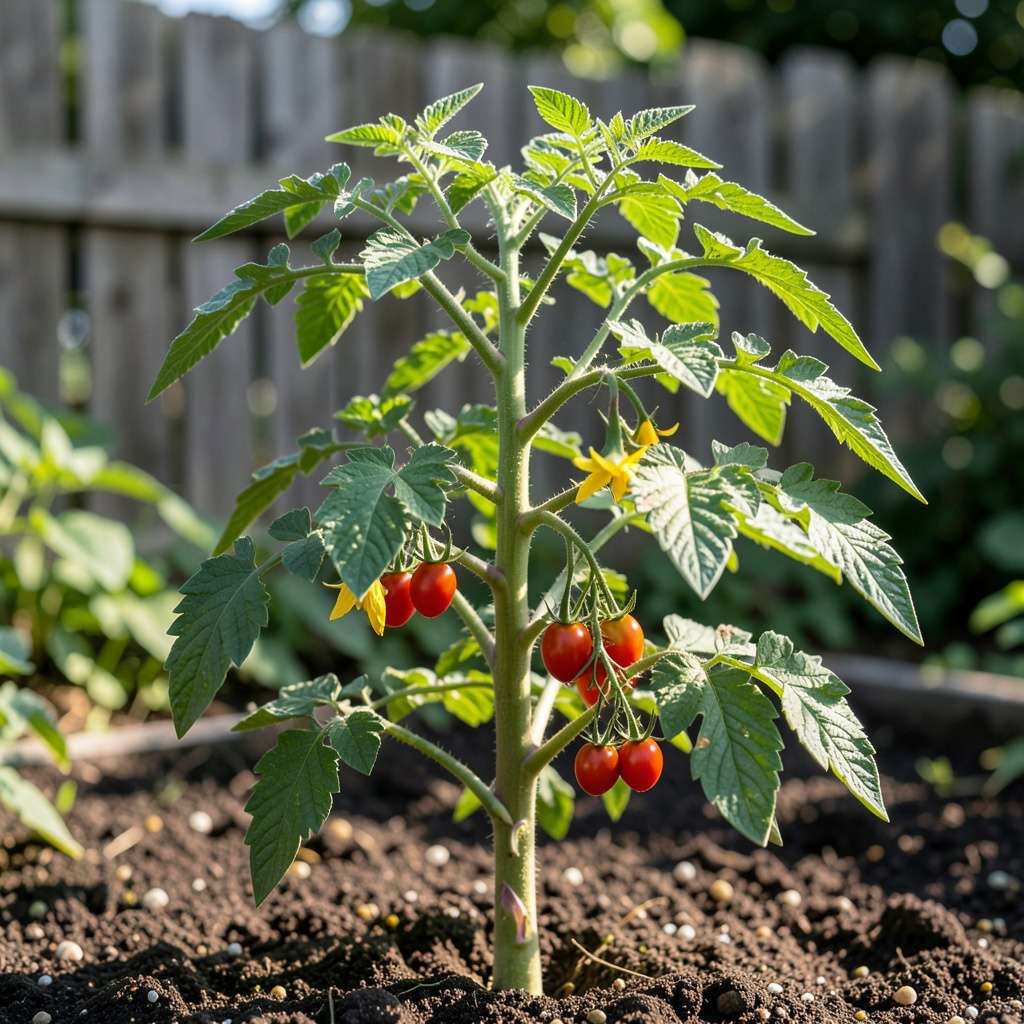
Ants don’t directly eat living plants but may feed on sweet nectar, seeds, or decaying plant matter. Their real threat comes from protecting sap-sucking pests like aphids that damage foliage and stunt growth.
What most gardeners don’t realize is that ants act like tiny farmers—protecting aphids and other pests to harvest their sugary honeydew secretions. 🌱 This symbiotic relationship creates a double threat: while ants aren’t chewing your leaves, they’re enabling pests that do. I’ve seen entire rose bushes weakened by aphid colonies that ants fiercely defend from predators like ladybugs.
Their seed-foraging habits can also sabotage new plantings. Ants will carry off freshly sown seeds before they germinate, particularly small varieties like lettuce or carrots. Yet in nature’s balance, they also help decompose dead plant material, returning nutrients to the soil. The key is recognizing when their presence tips from helpful to harmful. ✨
💡 In This Article
Ants have a complex relationship with plants that goes beyond simple feeding. While they rarely consume living plant tissue, they’re highly attracted to sugary substances like floral nectar and the honeydew produced by aphids. This sweet liquid contains up to 90% carbohydrates, making it a high-energy food source.
I’ve observed worker ants actively milking aphids by stroking their abdomens to stimulate honeydew production—it’s like watching miniature dairy farmers at work! 🐛
Their seed-gathering behavior can be particularly problematic for gardeners. Ants will carry off seeds that are 1-3mm in size, which includes many common vegetables like lettuce, carrots, and radishes. Studies show a single colony can remove thousands of seeds per day during peak foraging periods.
However, they’re not eating these seeds immediately—they’re storing them in underground chambers where some may actually germinate, creating tiny ant-farmed gardens.
Where ants become true plant enemies is through their protective relationships with sap-sucking insects. They’ll aggressively defend aphids, mealybugs, and scale insects from natural predators like ladybugs. This protection allows pest populations to explode—some aphid colonies can grow 10x larger when tended by ants.
The resulting plant damage includes curled leaves, stunted growth, and sooty mold from excess honeydew. 🌿
Interestingly, ants also play beneficial roles in ecosystems. They help decompose dead plant material, aerate soil through their tunneling, and even disperse seeds of certain wildflowers. Some plant species have evolved special structures called elaiosomes—nutrient-rich appendages on seeds—that specifically attract ants for dispersal. This mutualistic relationship helps about 30% of spring wildflowers in temperate forests.
The balance tips toward harm when ant populations become too dense. In my garden journals, I’ve noted that ant activity peaks during warm, dry periods when natural food sources are scarce. That’s when they become most aggressive about farming aphids and raiding seed beds.
Their pheromone trails can recruit hundreds of workers to a single food source within hours, overwhelming young plants. ✨
What surprises many gardeners is that ants rarely consume live plant tissue directly. Their mandibles aren’t designed for chewing leaves or stems. Instead, they’ll scavenge on already damaged or decaying plant matter, helping clean up dead material. This cleaning behavior can actually reduce fungal diseases by removing potential hosts from the garden environment.
The most destructive ant-plant interactions occur with invasive species like fire ants, which can strip young plants of all foliage when food is limited. Native ant species tend to maintain better balance in garden ecosystems.
Understanding these complex relationships helps gardeners make informed decisions about when to intervene and when to let nature take its course. 💫
Yes, ants often target tiny seeds and young seedlings, especially varieties like lettuce and carrots. They carry off seeds before germination or nibble tender sprouts. Protect new plantings with fine mesh covers until they establish strong roots—usually about 2-3 weeks.
They’re likely farming aphids that cluster on new growth. Ants protect these pests to harvest their sugary honeydew secretions. Check leaf undersides for aphid colonies—this partnership can weaken plants faster than either pest alone.
Create a 1/4-inch hardware cloth barrier over freshly planted areas. This allows sunlight and water through while blocking ants. Remove the cover once seedlings reach 2 inches tall, when they’re less vulnerable to ant damage.
Surprisingly, yes! Ants aerate soil through tunneling and help decompose dead plant matter. Some wildflowers even rely on ants to disperse their seeds. The key is balance—native species usually maintain this harmony better than invasive ants.
Watch closely during warm, dry periods when natural food sources become scarce. Ants forage most aggressively at dawn and dusk. Focus protection efforts during planting season and when you first notice aphid activity on new growth.
