
Beautiful Plants For Your Interior
Beautiful Plants For Your Interior
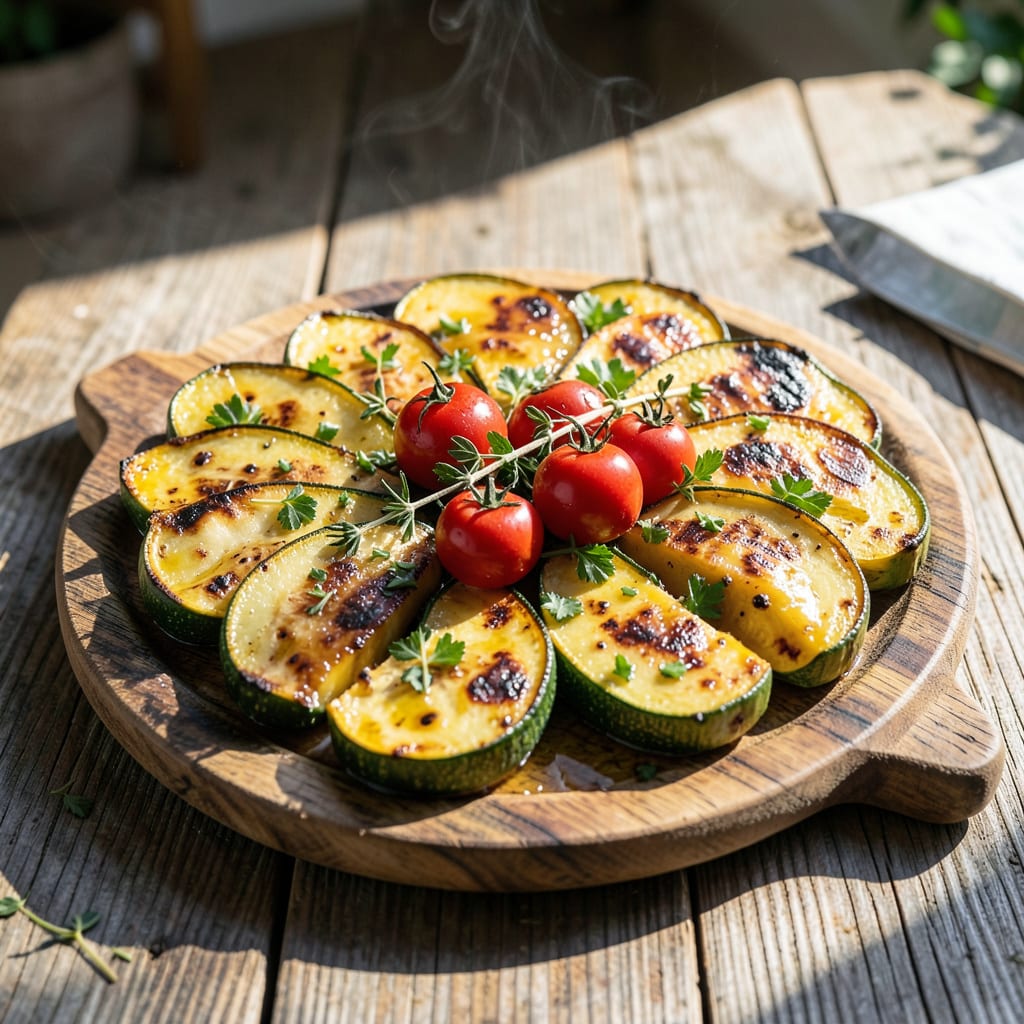
This squash variety changed my summer harvests forever. Dixie Hybrid produces bright yellow fruit that’s both productive and disease-resistant, perfect for gardeners who want reliable results.
With proper spacing and consistent watering, you’ll be picking tender squash every 2-3 days at peak season. The plants thrive in warm soil and reward you with abundant yields that keep coming until frost.
📚 In This Guide
This method delivers consistent results, and I’ve refined it over multiple growing seasons for maximum yields.
Select a location with full sun exposure—at least 6-8 hours of direct sunlight daily. Dixie Hybrid Yellow Squash thrives in warm soil, so I always wait until soil temperatures reach 60°F or higher before planting. Test by inserting a soil thermometer 2-3 inches deep at planting time.
Amend the soil with plenty of organic matter like compost or well-rotted manure to improve drainage and fertility. Squash roots penetrate deeply, so loosen the soil to a depth of 12-18 inches and remove any rocks or debris. The soil should crumble easily in your hands when properly prepared.
Sow seeds 1 inch deep and space them 2-3 feet apart in rows that are 4-5 feet apart. If using transplants, plant them at the same depth they were growing in their containers. I prefer direct seeding because squash doesn’t transplant well and can experience shock.
Water the area thoroughly after planting, ensuring the soil is evenly moist but not waterlogged. You should see germination within 7-10 days if the soil stays warm and consistently damp. Avoid overhead watering to prevent disease—always water at the base of the plants.
Keep the soil consistently moist, especially during the first 4-6 weeks of growth. Squash plants are heavy drinkers, so I check the soil daily by sticking my finger 1-2 inches deep—if it feels dry, it’s time to water. A layer of mulch around the plants helps retain moisture and suppress weeds.
Once the plants begin to vine, apply a balanced fertilizer or compost tea every 3-4 weeks to support rapid growth. You’ll notice the vines stretching 6-8 inches per week under ideal conditions. Yellowing leaves or stunted growth often signal a need for additional nitrogen.
Squash vine borers and powdery mildew are common issues with this variety. I inspect the base of the stems weekly for tiny holes or sawdust-like frass, which indicate borer activity. Row covers can prevent adult borers from laying eggs, but remove them when flowers appear to allow pollination.
Powdery mildew shows up as white, powdery spots on the leaves. To prevent it, ensure good air circulation by spacing plants properly and watering early in the day so foliage dries quickly. If mildew appears, treat with a neem oil or baking soda spray immediately.
Dixie Hybrid Yellow Squash is ready to harvest when the fruits are 4-6 inches long and the skin is tender enough to pierce easily with a fingernail. I check the plants every 2-3 days once fruiting begins, as squash can grow from harvest-ready to oversized in just a few days.
Use a sharp knife or pruning shears to cut the squash from the vine, leaving a short stem attached. Harvesting regularly encourages the plant to produce more fruit. You’ll know you’ve waited too long if the skin hardens or the seeds inside become large and tough.
These insights come from seasons of trial and error in my own garden.
The Sunlight Secret: In Step 1, don’t compromise on the 6-8 hours of direct sunlight daily. I learned the hard way that even partial shade can reduce yields by half. If your garden has limited full-sun spots, prioritize this space for your squash. The plants will literally stretch toward the light, and insufficient sun leads to leggy vines with fewer fruits.
Soil Temperature Matters: That 60°F soil temperature in Step 1 isn’t just a suggestion—it’s critical for germination. I’ve planted too early and watched seeds rot in cold soil. Use a soil thermometer 2-3 inches deep as directed; if you’re borderline, wait a week. The difference between 58°F and 62°F can mean the difference between no sprouts and a full row of seedlings within 7-10 days.
Watering Wisdom: During those first 4-6 weeks mentioned in Step 3, consistency is everything. Squash plants are dramatic—they’ll wilt visibly if they’re thirsty, but perking up after watering doesn’t mean they weren’t stressed. I set a daily reminder to check soil moisture 1-2 inches deep; if it’s dry, water deeply at the base. The mulch tip in Step 3 isn’t optional—it cuts your watering chores in half.
Pest Prevention Strategy: For Step 4, I can’t overstate the importance of weekly stem inspections. Squash vine borers move fast, and by the time you see wilting vines, it’s often too late. Those row covers work wonders, but as Step 4 warns, remove them at first flower—hand-pollinating squash blossoms is tedious and inefficient compared to letting bees do the work.
This fast-growing variety typically matures in 45-50 days. Harvest when the squash is 4-6 inches long for the best flavor and tenderness.
Store fresh squash in a cool, dry place or refrigerate in a perforated bag for up to 5-7 days. For longer storage, blanch and freeze slices.
Common causes include overwatering, poor drainage, or pests like squash bugs. Check soil moisture and inspect leaves for signs of infestation.
Yes! Use a large container (5+ gallons) with well-draining soil. Provide a trellis for vertical growth to save space.
Try other yellow squash varieties like ‘Crookneck’ or ‘Straightneck’ for similar flavor and growing habits.
