
Beautiful Plants For Your Interior
Beautiful Plants For Your Interior
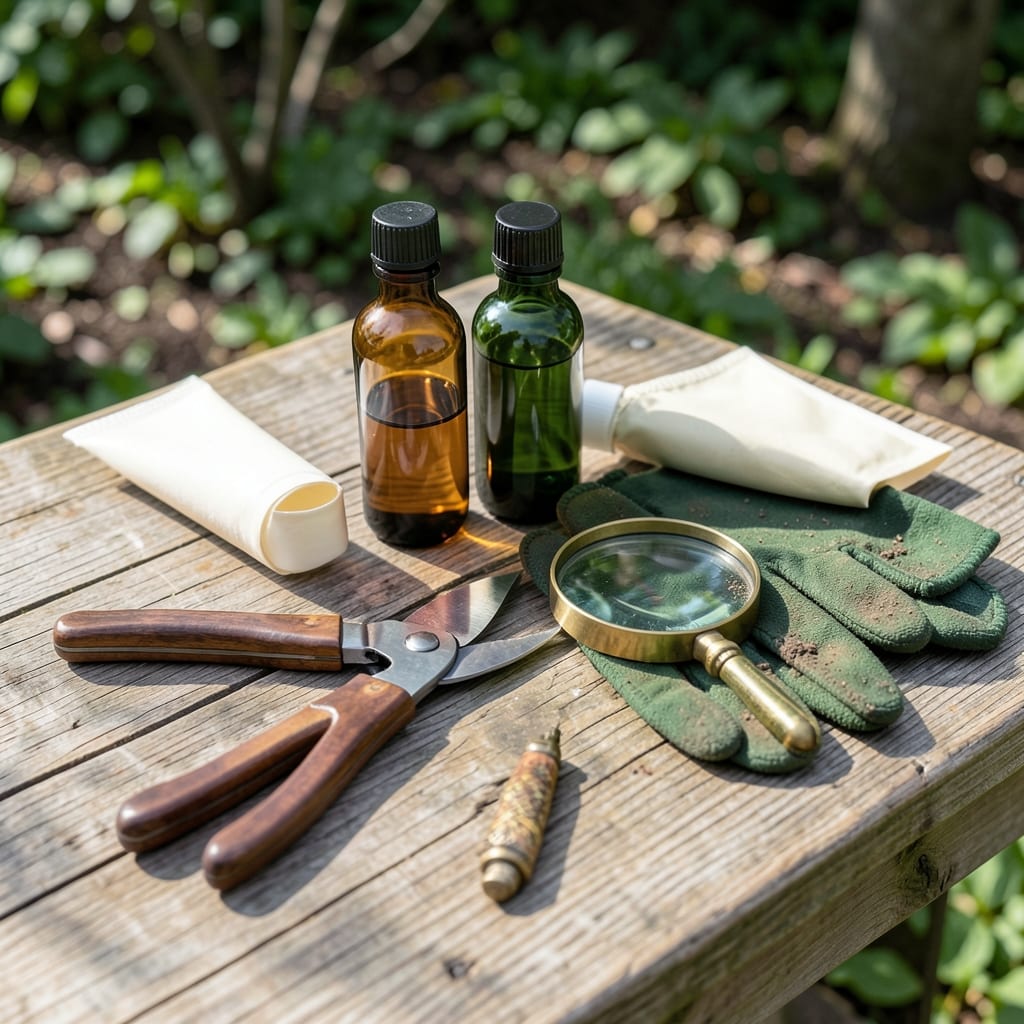
My ornamental cherry almost died before I learned to spot the early signs. Brown spots, yellowing leaves, or blackened branches aren’t just unsightly—they’re distress signals from your tree.
Catching these symptoms early can save months of treatment. Here’s how to identify what’s wrong and fix it before it spreads to the whole tree.
Short list. Saves your tree. Most of this is already in your shed.
| Ingredient | Amount | Notes |
|---|---|---|
| Pruning Shears ✂️ | 1 piece | Sterilize between cuts |
| Copper Fungicide 🧪 | 1 piece | Ready-to-use spray bottle |
| Neem Oil 🌿 | 1 piece | Cold-pressed 100% pure |
| Garden Gloves 🧤 | 1 piece | Nitrile for chemical protection |
| Magnifying Glass 🔍 | 1 piece | For spotting early symptoms |
| Tree Wound Dressing 🩹 | 1 piece | Seals pruning cuts |
| Soil pH Test Kit 🌡️ | 1 piece | Checks acidity levels |
| Organic Mulch 🪵 | 2 bags | Keeps roots cool |
[recipeingredientscaler]
Copper fungicide is your first line against leaf spot—Bonide makes a reliable ready-to-use spray. Neem oil works for both fungal issues and pests (the cold-pressed kind, not the refined stuff). Home Depot or Lowe’s stock both. I always grab the smallest bottles first to test effectiveness before committing to gallons.
No copper fungicide? Baking soda spray (1 tbsp per gallon of water) works in a pinch for mild cases. Neem oil can substitute for chemical pesticides if you’re going organic. Pruning shears must be sharp—dull blades crush stems, creating entry points for disease.
Store chemicals in a cool, dry place—neem oil solidifies in cold. Pruning tools last decades if cleaned after each use. I keep a spray bottle of rubbing alcohol near my shears for quick sterilization between cuts.
Here’s the method I use to identify and treat problems before they overwhelm your trees.
Begin with the magnifying glass to examine leaves, bark, and branches for early symptoms. Look for tiny spots, discoloration, or unusual textures that signal fungal or bacterial infections. I focus on the undersides of leaves first—that’s where many issues start.
Use the soil pH test kit to check if your tree is struggling with acidic or alkaline conditions. Ornamental cherries prefer a pH of 6.0-7.0. If the reading falls outside this range, it weakens the tree and makes it more susceptible to disease.
Put on the garden gloves and use the pruning shears to remove any branches showing signs of infection. Cut at least 4-6 inches below the visible damage to ensure you’ve removed all affected tissue. Sterilize the shears between cuts with a quick wipe of rubbing alcohol to prevent spreading pathogens.
After pruning, apply the tree wound dressing to each cut. This creates a protective barrier that helps the tree heal while preventing further infection. Don’t skip this step—open wounds are prime entry points for disease.
For fungal issues like leaf spot or powdery mildew, use the copper fungicide. Spray it evenly over the entire tree, focusing on both the upper and lower leaf surfaces. Reapply every 7-10 days or after rain, as water can wash away the protective coating.
The neem oil works well for both fungal and insect problems. Mix it according to the package instructions and apply it in the early morning or late evening to avoid leaf burn. I’ve found it especially effective against aphids and scale, which often accompany disease outbreaks.
Spread the 2 bags of organic mulch in a 3-4 inch layer around the base of the tree, keeping it 6 inches away from the trunk to prevent rot. Mulch helps retain moisture, regulate soil temperature, and suppress weeds that compete for nutrients.
This step also improves soil structure over time as the mulch breaks down, which supports the tree’s overall resilience. Healthy soil means a stronger tree, and a stronger tree is better equipped to fend off future issues.
If you’ve collected samples of diseased ornamental cherry tree leaves or small branches for analysis, short-term storage in the refrigerator can preserve them for 3-4 days. Place the specimens in airtight containers or sealed plastic bags with a damp paper towel to maintain moisture. This slows decay and prevents further fungal or bacterial growth, ensuring accurate diagnosis.
For long-term preservation, freezing is ideal. Wrap samples in moisture-resistant paper or place them in freezer-safe bags, removing excess air to prevent freezer burn. Properly stored, specimens can last 2-3 months. Label each bag with the date and suspected disease for easy reference.
Reheating isn’t applicable for diseased plant samples, but if you’re sterilizing tools used on infected trees, heat treatment is key. Soak pruning tools in a solution heated to 180°F (82°C) for 10 minutes or use a propane torch to flame-sterilize metal parts. This kills pathogens and prevents cross-contamination.
To maintain sample integrity, avoid excessive moisture, which can promote mold. For thawing frozen specimens, do so gradually in the refrigerator to prevent tissue breakdown. If submitting samples to a lab, follow their specific guidelines for packaging and shipping to ensure accurate testing.
