
Beautiful Plants For Your Interior
Beautiful Plants For Your Interior
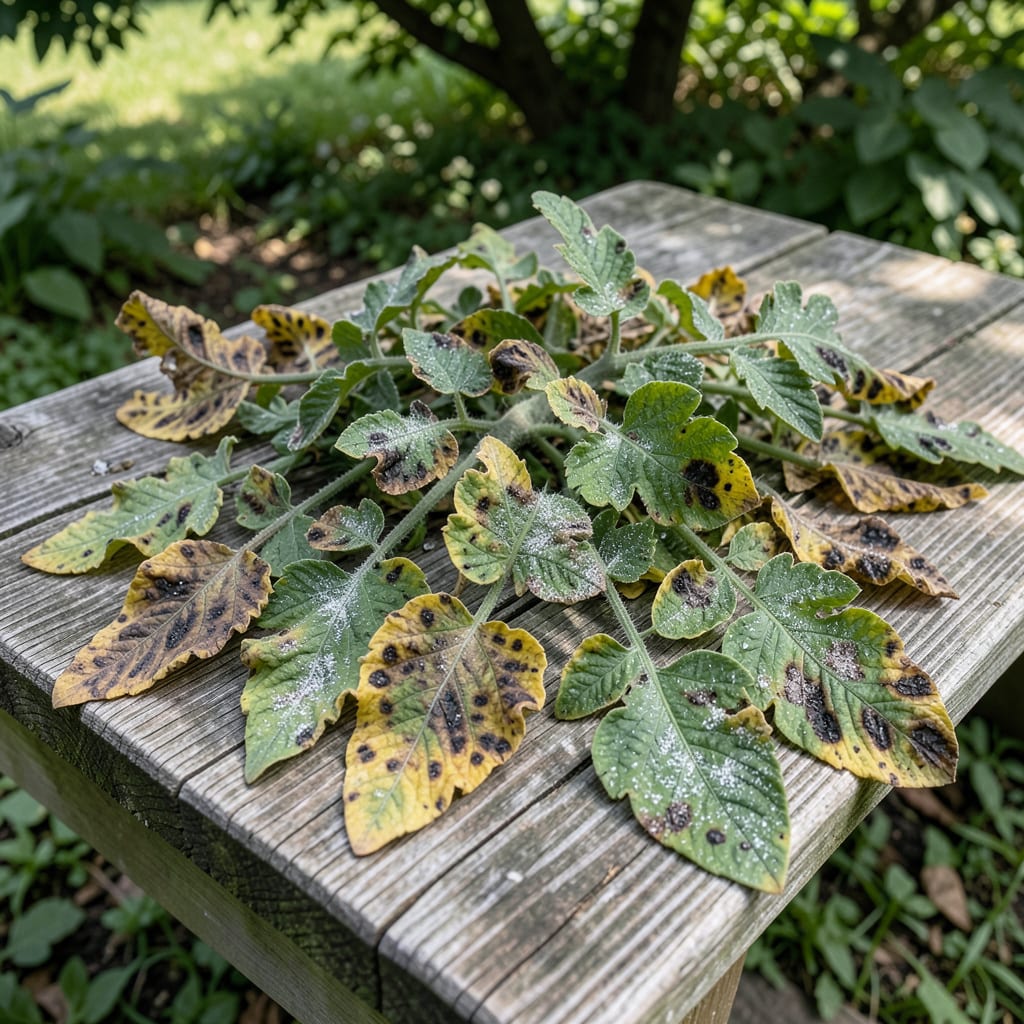
Spotted, yellowed, or wilting tomato leaves aren’t just ugly—they’re a warning. I’ve lost entire crops to leaf diseases that started with a few harmless-looking spots, and I’m here to help you avoid the same heartbreak.
Each pattern tells a different story: brown spots might mean early blight, white powder signals mildew, and yellow halos often scream bacterial. The fix starts with identifying which enemy you’re up against.
Once you know the culprit, targeted solutions work fast. Prune affected leaves, adjust watering, or apply organic treatments. My tomatoes rebounded within 2 weeks after I matched the right remedy to the symptoms.
Prevention beats cure every time. Simple habits like crop rotation and proper spacing keep your plants healthy and your harvest bountiful. Let’s save those leaves.
Tomato plant leaves can develop unsightly spots, discoloration, or wilting for several scientific reasons. Understanding the root cause is key to effective treatment. Below are the most common culprits behind diseased tomato plant leaves, explained in clear terms.
Fungi like Alternaria solani (early blight) and Phytophthora infestans (late blight) thrive in warm, humid conditions. These pathogens produce spores that land on leaves, germinate, and penetrate plant tissues, causing dark, concentric spots or water-soaked lesions. Overhead watering and poor air circulation accelerate fungal spread.
Bacteria such as Pseudomonas syringae (bacterial speck) and Xanthomonas vesicatoria (bacterial spot) enter through wounds or stomata. They multiply rapidly in wet conditions, leading to small, greasy-looking spots with yellow halos. Infected leaves may curl or drop prematurely.
Insects like aphids, whiteflies, and spider mites pierce leaf cells to feed, creating entry points for secondary infections. Their saliva can also trigger yellowing (chlorosis) or stippling. Severe infestations weaken the plant, making it more susceptible to disease.
Extreme heat, cold snaps, or inconsistent watering stress tomato plants, compromising their immune response. Nutrient deficiencies (e.g., calcium or magnesium) can also manifest as interveinal chlorosis or necrotic leaf edges. Over-fertilization, meanwhile, may cause salt burn, leading to brown, crispy patches.
Viruses like Tomato Mosaic Virus (ToMV) or Tomato Spotted Wilt Virus (TSWV) are often spread by insects or contaminated tools. They disrupt cellular function, causing mottled yellow and green patterns, stunted growth, or distorted leaves. Unlike fungal or bacterial diseases, viral infections cannot be cured with sprays.
Identifying the exact cause helps you choose the right remedy—whether it’s improving airflow, applying fungicides, or removing infected plants.
Tackling diseased tomato plant leaves starts with identifying the cause and applying the right fix. Below are targeted solutions for common issues, paired with prevention tips to keep your plants thriving.
For early blight or late blight, prune infected leaves immediately to stop the spread. Apply a copper-based fungicide or a homemade mix of 1 tsp baking soda + 1 quart water + a few drops of dish soap. Spray weekly or after rain.
Prevention: Improve airflow by spacing plants 18–24 inches apart. Water at the base (not overhead) and use mulch to reduce soil splashing onto leaves.
If aphids, whiteflies, or hornworms are chewing leaves, blast them off with water or apply neem oil or insecticidal soap. For severe infestations, use pyrethrin-based sprays.
Prevention: Invite beneficial insects like ladybugs by planting companion flowers (e.g., marigolds). Inspect leaves weekly for early signs of pests.
Yellowing leaves with mushy stems? Let the soil dry slightly between waterings. Ensure pots have drainage holes, or amend garden beds with compost to improve drainage.
Prevention: Use a moisture meter to avoid guesswork. Water deeply but less frequently—1–2 inches per week is ideal for most tomatoes.
Curling or wilting leaves may signal heat stress or nutrient deficiencies. Provide afternoon shade in extreme heat, and fertilize with a balanced 10-10-10 formula if leaves are pale or stunted.
Prevention: Harden off seedlings before transplanting. Use row covers to protect from cold snaps or excessive sun.
💡 Pro Tip: Rotate tomato crops yearly to prevent soil-borne diseases from recurring. Clean tools with rubbing alcohol between uses to avoid contamination.
Disease-related yellowing often shows irregular patterns or spots, while natural aging starts at the bottom leaves and progresses upward. Check for accompanying symptoms like spots or curling.
No, avoid composting diseased leaves as fungi like early blight can survive and spread to next year’s plants. Dispose of them in the trash or burn them instead.
Remove affected leaves immediately and treat with a copper fungicide. Improve air circulation by pruning dense foliage and avoid overhead watering.
Yes, too much fertilizer can burn leaves, causing brown edges or curling. Always follow package instructions and fertilize at 2-3 week intervals.
