
Beautiful Plants For Your Interior
Beautiful Plants For Your Interior
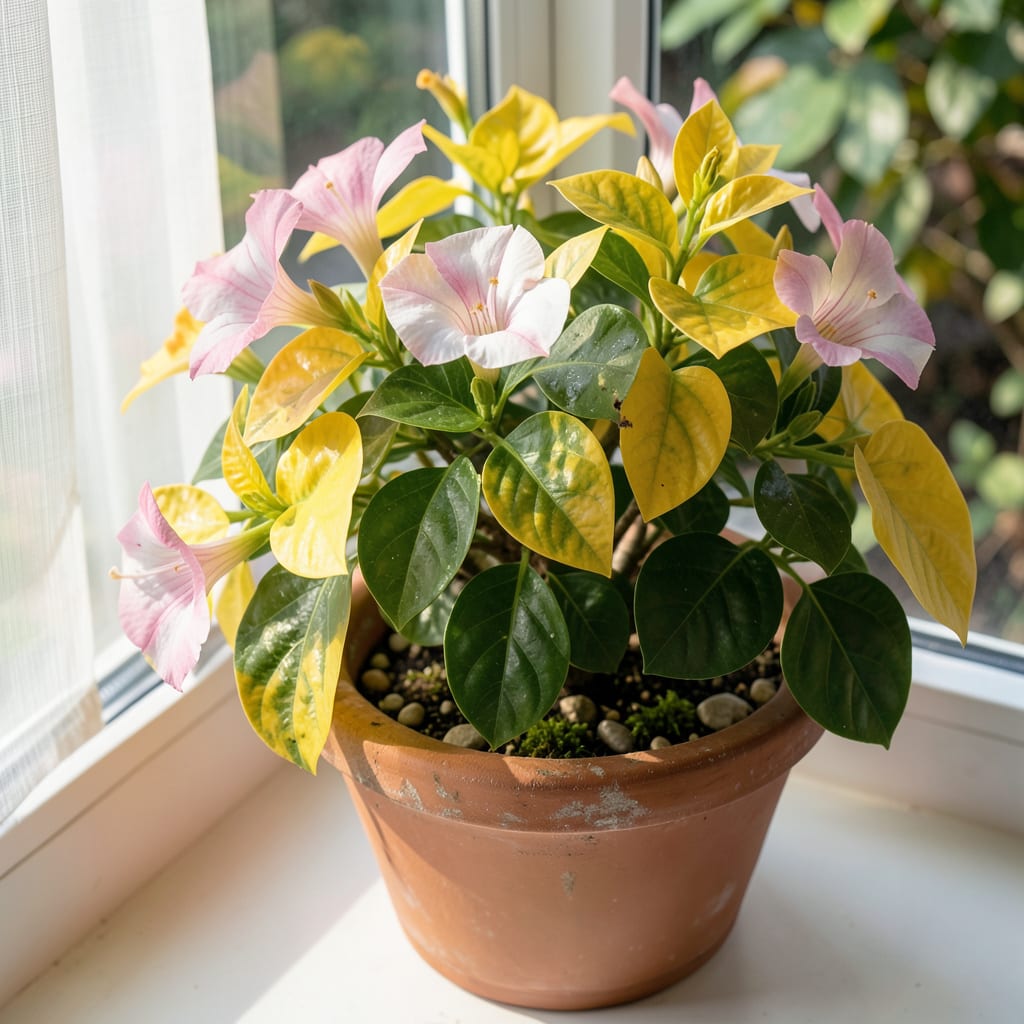
Yellow leaves on your dipladenia aren’t a death sentence. I’ve saved countless plants by catching the early signs before the problem spreads to the whole vine.
Most cases come down to 4 common issues: too much water, not enough light, hungry roots, or uninvited pests. The good news? Each has a simple fix once you know what to look for.
You’ll see new green growth within 2-3 weeks after addressing the root cause. The key is acting fast—yellow leaves won’t turn green again, but you can stop the damage.
This works for potted plants on patios, indoor specimens, or garden plantings. Here’s how to diagnose and fix it.
Dipladenia leaves turning yellow often signal underlying stress or care issues. Below are the most common causes, explained with actionable insights.
Excess water suffocates the roots, preventing oxygen uptake and leading to root rot. Dipladenia thrives in well-draining soil; soggy conditions trigger chlorosis (yellowing) as roots fail to absorb nutrients like nitrogen and iron. Fix: Check soil moisture before watering—only water when the top inch is dry. Use pots with drainage holes.
Too little light causes chlorophyll breakdown, turning leaves pale yellow. Conversely, intense direct sunlight can scorch foliage, creating yellow or brown patches. Dipladenia prefers bright, indirect light (6+ hours daily). East-facing windows or filtered shade outdoors are ideal.
Dipladenia is tropical and sensitive to cold drafts (below 50°F/10°C) or sudden temperature swings. Cold stress disrupts nutrient transport, causing uniform yellowing. Heat stress (above 90°F/32°C) may lead to leaf scorching. Fix: Maintain stable temperatures and avoid placing near AC vents or heaters.
Yellowing often points to nitrogen deficiency (uniform pale yellow) or iron deficiency (yellow with green veins, called interveinal chlorosis). Poor soil or lack of fertilizer starves the plant. Fix: Use a balanced, water-soluble fertilizer (10-10-10) every 2–4 weeks during the growing season. For iron, apply chelated iron supplements.
Sap-sucking pests like spider mites or aphids drain nutrients, causing stippled yellowing or curled leaves. Inspect leaf undersides for webbing or tiny insects. Fix: Wipe leaves with neem oil or insecticidal soap weekly until pests are gone.
Once you’ve identified the cause, these targeted fixes will help bring your dipladenia back to its vibrant self. Follow the steps below for each issue, and don’t forget the prevention tips to keep future yellowing at bay.
If sunburn is the culprit, relocate your plant to a spot with bright, indirect light—east- or north-facing windows are ideal. Outdoors, use a sheer curtain or shade cloth to filter harsh rays. Prevention tip: 💡 Acclimate your dipladenia gradually to new light conditions to avoid shock.
Stop watering immediately and check the roots for rot. Trim any mushy, black roots with clean scissors, then repot in fresh, well-draining soil. Water only when the top 1–2 inches of soil feel dry. Prevention tip: 🎯 Use a pot with drainage holes and a moisture meter to avoid guesswork.
Place a tray of water with pebbles near the plant (ensure the pot isn’t sitting in water) or use a humidifier. Grouping plants together can also raise humidity. Prevention tip: ✨ Mist the leaves 2–3 times a week, but do this in the morning to prevent fungal issues.
Use a balanced, water-soluble fertilizer (10-10-10 or 20-20-20) diluted to half strength every 4–6 weeks during the growing season. Avoid fertilizing in winter. Prevention tip: 🌡️ Flush the soil with water every 2–3 months to remove excess salts from fertilizers.
Wipe leaves with a soapy water solution (1 tsp mild soap per quart of water) to remove spider mites or aphids. For stubborn infestations, use neem oil or insecticidal soap. Isolate the plant to prevent spreading. Prevention tip: 🔥 Inspect new plants before bringing them near your dipladenia, and keep the area clean.
Water when the top 1-2 inches of soil feel dry. Overwatering causes yellow leaves, so always check soil moisture first. In hot weather, this may mean watering every 3-4 days.
Unfortunately, no—once leaves turn yellow, the damage is permanent. Focus on fixing the underlying issue to prevent more leaves from yellowing. New growth will appear green and healthy.
Provide bright, indirect light for at least 6 hours daily. East-facing windows are ideal. Too little light causes pale yellowing, while harsh direct sun can scorch leaves.
Check leaf undersides for tiny insects or webbing. Sap-sucking pests like aphids leave stippled yellowing or curled leaves. Treat with neem oil or soapy water if found.
