
Beautiful Plants For Your Interior
Beautiful Plants For Your Interior
I ruined three batches of houseplants before learning the right way to neem oil per gallon of water, plus a drop of mild soap to help it stick. This simple mix handles everything from aphids to powdery mildew without harming your plants or the good bugs you want to keep around. What you get is […]
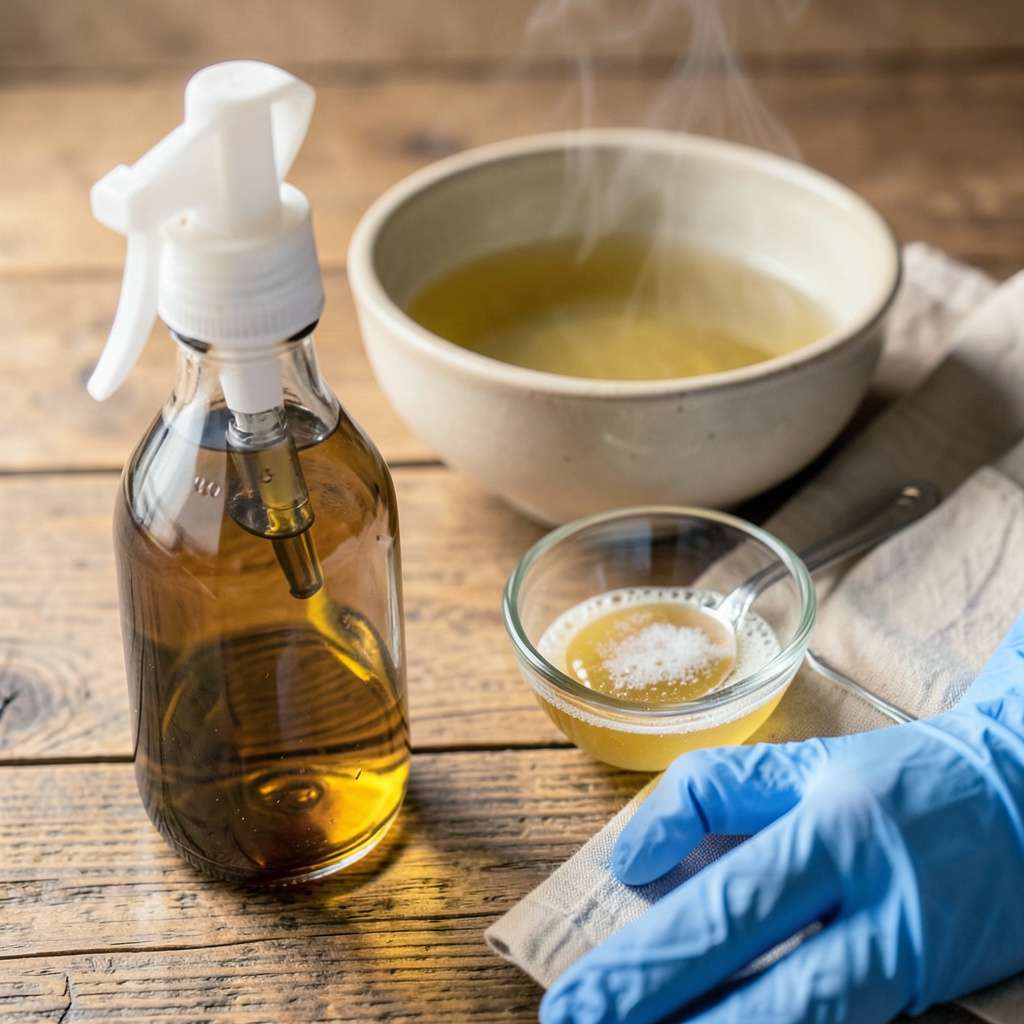
I ruined three batches of houseplants before learning the right way to Pest Control Solution”>mix neem oil. The difference between a healthy, thriving garden and a crispy disaster often comes down to that first dilution step. Too strong, and you’ll burn leaves faster than summer sun. Too weak, and pests just laugh at your efforts.
After years of trial and error (and more than a few sad-looking ferns), we landed on the perfect ratio: 1 tablespoon Neem Oil Per Gallon of Water: Essential Gardening Tips”>neem oil per gallon of water, plus a drop of mild soap to help it stick. This simple mix handles everything from aphids to powdery mildew without harming your plants or the good bugs you want to keep around.
What you get is protection that actually works—no more watching spider mites take over despite your best efforts. The plants stay green, the pests disappear, and you avoid that sickening moment when you realize you’ve just fried your favorite orchid with an overzealous spray.
Works for indoor jungles, vegetable patches, and even finicky roses. The key is consistency: apply every 7-14 days during growing season, and you’ll see the difference within a week. Here’s exactly how to mix it right the first time.
📚 In This Guide
This simple process ensures your plants get the perfect protective treatment without any risk of damage.
You’ll need cold-pressed neem oil, a mild liquid soap (I use Castile), warm water, and a clean spray bottle. The soap acts as an emulsifier to help the oil mix with water. Always wear gloves when handling concentrated neem oil—it can irritate skin.
Choose a spray bottle that hasn’t contained chemicals before. I dedicate one specifically for neem applications to avoid cross-contamination. A 32-ounce bottle works well for most home gardeners, giving you enough solution for multiple applications.
Start by adding 1 teaspoon of mild liquid soap to your empty spray bottle. Then pour in 1 quart of warm water—the warmth helps the oil disperse evenly. Swirl gently to combine without creating too many suds.
The soap-water mixture is crucial because neem oil won’t dissolve in water alone. You’ll see the solution turn slightly cloudy when properly emulsified. This step prevents the oil from separating and clogging your sprayer later.
Measure 1 tablespoon of cold-pressed neem oil and slowly pour it into your soap-water mixture. Immediately begin swirling the bottle in circular motions. The goal is to create a uniform, milky solution without oil droplets floating on top.
Here’s the thing—neem oil naturally separates from water, so you’ll need to shake vigorously before each use. I always test the spray pattern on a small area first to ensure proper mixing. The solution should have a light yellow tint when ready.
Spray the mixture evenly on both sides of leaves until they’re thoroughly coated but not dripping. Focus on new growth and undersides where pests hide. Apply in the early morning or late evening to prevent leaf burn from sun exposure.
Don’t apply if rain is expected within 24 hours, as it will wash away the protective coating. You’ll notice a slight garlic-like odor that dissipates within a few hours. Reapply every 7-14 days for prevention or every 3-5 days for active pest problems.
Use the mixed solution within 8 hours for best results, as the neem oil begins breaking down after mixing. If you must store it, keep it in a cool, dark place for up to 24 hours—but fresh is always more effective.
Between uses, rinse your spray bottle with warm, soapy water to prevent residue buildup. I always label my neem bottle clearly and keep it separate from other garden sprays. The remaining concentrated neem oil can be stored in its original container for up to 2 years in a cool, dry place.
Getting the most from your neem oil treatment comes down to a few key details that make all the difference in plant health.
Mixing Technique: When adding the 1 tablespoon of cold-pressed neem oil in Step 3, pour it slowly while swirling continuously. I’ve found that creating a small vortex in the water helps incorporate the oil more evenly. If you see oil droplets floating after mixing, keep shaking until you achieve that uniform milky appearance. This prevents clogged sprayers and ensures even coverage on plants.
Application Timing: The recommendation to apply in early morning or late evening from Step 4 isn’t just about avoiding sunburn—it’s when plants are most receptive to treatments. I always check the weather forecast first, as even light rain within 24 hours will wash away your hard work. For best results, apply when temperatures are between 60-80°F for optimal absorption.
Storage Wisdom: While you can technically store the mixed solution for up to 24 hours as mentioned in Step 5, I’ve noticed effectiveness drops significantly after 8 hours. If you must store it, keep the bottle in the refrigerator (not just a cool place) and shake vigorously before using. For concentrated neem oil, that 2-year shelf life is accurate only if stored in its original container away from heat sources.
Equipment Maintenance: Between uses, I rinse my spray bottle with a vinegar-water solution (1:1 ratio) instead of just soapy water. This completely removes any oil residue that could build up over time. Always label your neem bottle clearly—I use bright orange tape so it’s never confused with other garden sprays. A dedicated bottle prevents accidental cross-contamination that could harm sensitive plants.
For most plants, mix 1-2 teaspoons of neem oil per gallon of water with a mild soap (like Castile) as an emulsifier. For heavy infestations, use up to 1 tablespoon per gallon, but test on a small area first! Always follow label instructions for specific products.
Neem oil is safe for most plants, but avoid using it on delicate foliage like ferns, orchids, or young seedlings. Skip application during extreme heat (above 90°F) or direct sunlight to prevent leaf burn. When in doubt, spot-test first!
For prevention, spray every 2-3 weeks. For active pests (aphids, mites), apply every 7-10 days until the issue resolves. Avoid overuse—neem oil can build up and harm beneficial insects like bees if applied too frequently.
Alternatives include insecticidal soap, horticultural oil, or a DIY garlic/chili spray. However, neem oil’s systemic properties (absorbed by plants) make it uniquely effective for long-term pest control. Always research alternatives for your specific pest problem!
Clumping happens if the oil isn’t properly emulsified! Always mix neem oil with soap or a commercial emulsifier before adding water, and shake the sprayer vigorously during use. Strain the mix if clogs occur. Pro tip: Use warm water for easier blending!
Diluting neem oil correctly is your secret weapon for thriving plants and a pest-free garden! 🌱 By following the right ratios—whether for foliar sprays or soil drenches—you’ll harness its power without harming your greens. Remember, consistency and proper application are key to seeing those lush, healthy results.
Ready to give it a try? Start with a small test batch on a few leaves or plants, then scale up once you’re confident. Happy gardening—your plants will thank you! 🌿✨
