
Beautiful Plants For Your Interior
Beautiful Plants For Your Interior
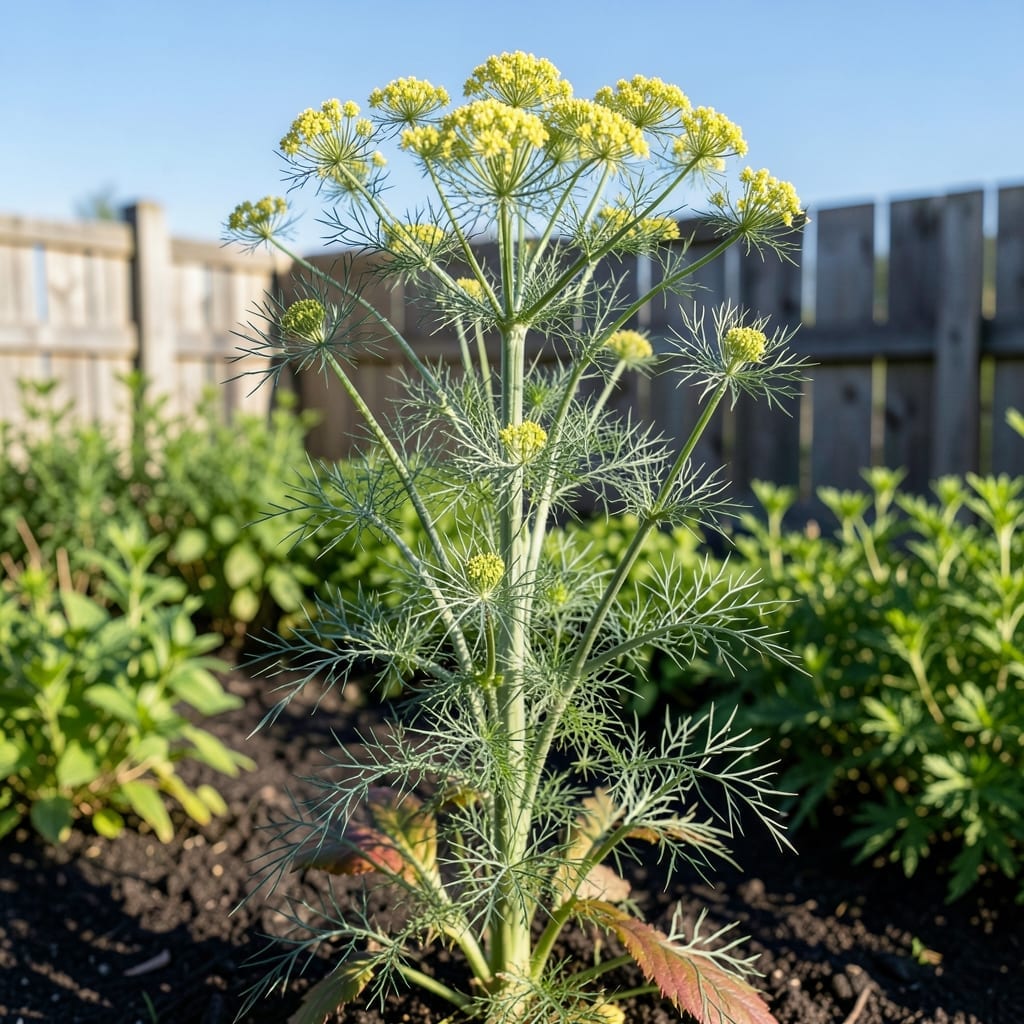
Red dill fronds caught me off guard last summer. 🌱 This isn’t normal—your plant’s signaling distress, and the fix is usually simpler than you’d think.
Most often, it’s environmental: too much sun, not enough water, or soil that’s either bone-dry or waterlogged. Sometimes pests like aphids leave red marks as they feed, but the pattern differs from pure color change.
You’ll see green return within a week once you adjust conditions. Shade cloth helps in scorching weather, and consistent moisture prevents the stress response that triggers the red pigment.
Prevention means well-draining soil and regular checks for tiny invaders. Healthy dill stays lush and fragrant, exactly as it should.
Dill leaves turning red can be alarming, but it’s usually a sign of stress or environmental imbalance. Here’s why it happens:
Dill thrives in cool to moderate temperatures (60–70°F). Excessive heat (above 85°F) or sudden cold snaps can trigger anthocyanin production, the pigment responsible for red hues. This is the plant’s survival response to protect its cells from damage. Move potted dill to shade during heatwaves or use row covers in chilly weather.
A phosphorus deficiency often causes reddish-purple tinges in leaves, as this nutrient is vital for energy transfer. Conversely, excess nitrogen can also lead to unusual coloration. Test your soil: aim for a pH of 5.6–6.5 and amend with compost or a balanced fertilizer (10-10-10) if needed.
While dill loves sunlight, intense, direct UV rays can scorch leaves, turning them reddish-brown. This is common in dry climates. Provide afternoon shade or ensure consistent moisture (1–2 inches of water weekly) to prevent stress.
Fungal infections like Alternaria or pest damage (e.g., aphids) can weaken the plant, leading to discoloration. Inspect leaves for spots, webbing, or chew marks. Treat with neem oil or insecticidal soap, and improve airflow to reduce humidity-related issues.
If your dill is turning red, don’t worry—there are simple, natural fixes to restore its vibrant green color and healthy growth. Below are targeted solutions for the most common causes, along with prevention tips to keep your plants thriving.
If your dill is getting scorched by intense sunlight, relocate it to a spot with partial shade, especially during peak afternoon hours. Use a shade cloth if moving isn’t an option. For potted dill, shift it to a balcony or windowsill with filtered light. Prevention tip: Acclimate young plants gradually to sunlight to avoid shock.
Soggy roots lead to stress and discoloration. Check the soil—if it’s waterlogged, let it dry out before watering again. Ensure pots have drainage holes, and for garden beds, mix in compost or sand to improve drainage. Prevention tip: Water only when the top inch of soil feels dry. Mulch around the base to retain moisture without overdoing it.
Reddish leaves often signal a lack of nitrogen or magnesium. Fertilize lightly with a balanced, organic option like fish emulsion or compost tea. Avoid heavy chemical fertilizers, which can burn roots. Prevention tip: Test your soil annually and amend it with organic matter before planting.
Inspect leaves for spots, mold, or tiny pests like aphids. Remove affected foliage and treat with neem oil or a soapy water spray. For fungal problems, improve air circulation and avoid overhead watering. Prevention tip: Space plants properly and keep the garden clean to deter pests and diseases.
If dill turns red after transplanting, it’s likely adjusting. Trim back any heavily discolored leaves to redirect energy. Older dill may naturally redden as it bolts. Prevention tip: Harvest regularly to encourage new growth and delay bolting. Succession plant every few weeks for a steady supply.
With these fixes, your dill should rebound quickly. Consistency in care is key—observe your plants and adjust as needed!
Yes, it’s safe if the change is from environmental stress. Just rinse and taste a small piece first. If it tastes bitter or off, discard it—this could signal pest damage or disease.
Often, yes! Adjust care by providing shade, consistent water, or balanced fertilizer. Green should return within 1-2 weeks once conditions improve.
Cold triggers anthocyanin, a protective pigment. Dill prefers 60-70°F. Use row covers to shield plants from sudden temperature drops.
Trim heavily discolored leaves to redirect energy to healthy growth. Remove only what’s necessary—some red leaves may recover with better care.