
Beautiful Plants For Your Interior
Beautiful Plants For Your Interior
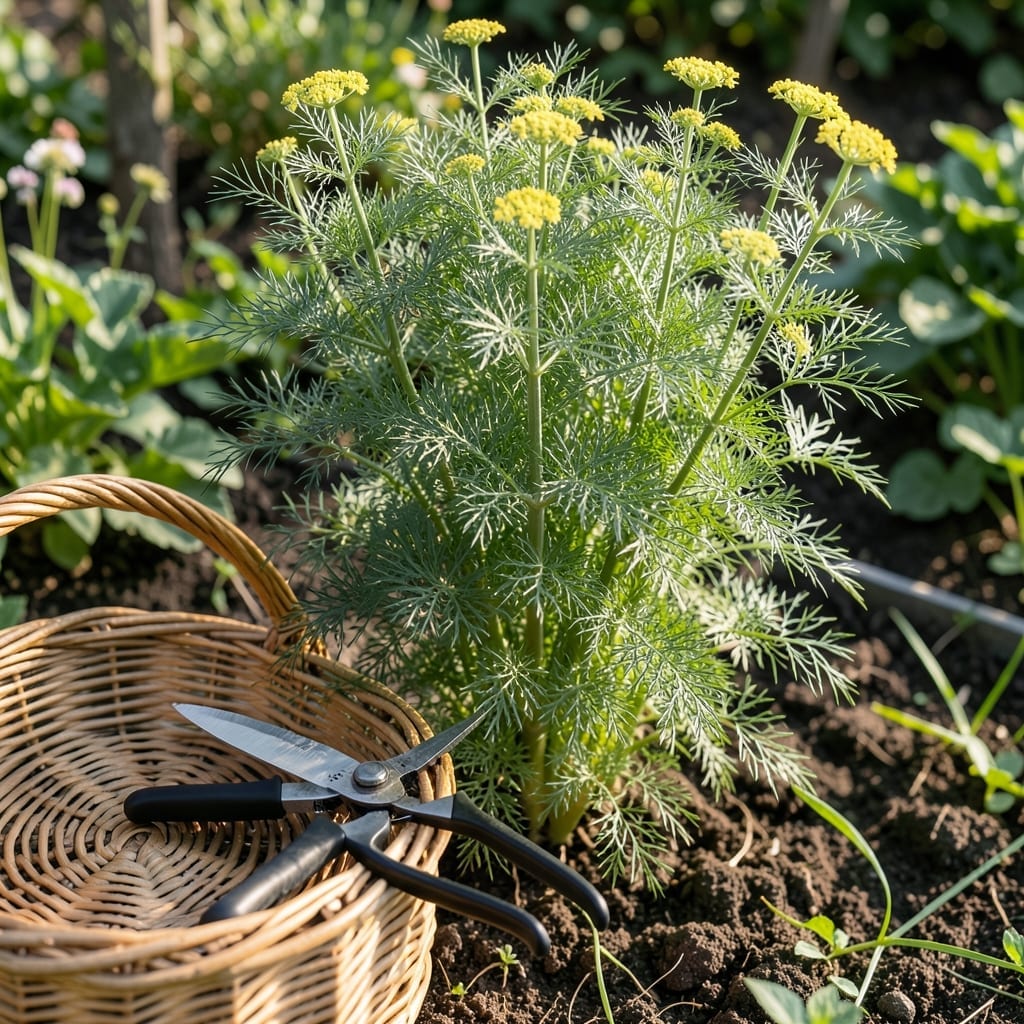
Knowing the perfect moment to harvest can transform your cooking. With 🌿 Dill, timing separates bland leaves from bursting flavor that makes dishes sing.
I’ve learned the hard way that waiting too long turns those delicate fronds bitter. The window between peak flavor and past-its-prime is surprisingly narrow for this spring herb.
You’ll discover how to read your plant’s subtle signs – from height to aroma – that signal it’s ready. These visual cues are more reliable than any calendar date.
Whether you’re growing in Zone 6 or elsewhere, mastering this timing means fresher, more vibrant dill all season long. Let me show you exactly what to look for.

I’ve found that dill harvest time is all about watching the plant’s development. The seedling stage is too early—your dill plants need time to establish their feathery foliage before you start snipping.
Once you see early leaf development, you’re getting closer. At this point, the leaves are tender and packed with that bright, fresh flavor we love in the garden. ✂️
| Growth Stage | Visual Cue | Harvest Action |
|---|---|---|
| Seedling | Under 8 inches tall | Too early to harvest |
| Early Leaf | 8-12 inches tall | Begin light harvesting |
| Flower Bud | Buds forming | Prime leaf harvest |
| Full Maturity | 18+ inches tall | Harvest seeds and leaves |
The flower bud formation stage is my favorite for peak dill flavor. When those yellow umbel buds appear but haven’t opened yet, the leaves are at maximum aroma and sweetness.
At full maturity, your dill plants will reach 18-24 inches tall. Here, you can harvest both leaves and seeds, though the leaves may start turning slightly bitter.
I always check for bright green feathery leaves as a sign of readiness. If they’re pale or sparse, the plant isn’t ready yet. The stems should be sturdy but still flexible when you bend them.
Another key indicator is the dill aroma. Run your fingers over the leaves—if the scent is strong and fresh, it’s time to harvest. This is when the essential oils are most concentrated.
For seed harvesting, wait until the umbels turn brown and the seeds are dry. I like to cut the entire seed head and hang it upside down in a paper bag to catch the seeds.
Remember that morning harvesting gives you the best flavor. The plant’s oils are most potent after the dew dries but before the heat sets in. This timing preserves the most aroma.
If you’re growing dill for leaves, harvest regularly to encourage bushier growth. Cut back the main stems by about one-third to promote new shoots. 🌿
I always recommend harvesting dill in the morning after the dew dries but before the midday heat sets in. This is when the essential oils are most concentrated, giving you the strongest flavor possible from your plants.
The best seasons for dill harvest are late spring through early fall, with June to August being peak months. In cooler climates, you might get a second harvest in early fall if you plant succession crops.
I’ve found that weekly harvesting encourages bushier growth and prevents the plant from going to seed too quickly. Just be sure to leave some foliage so the plant can continue photosynthesizing and producing new growth.
For seed harvesting, wait until the flower heads turn brown and the seeds are fully mature. This usually happens about 2-3 weeks after the flowers first appear, typically in late summer.
In my experience, hot afternoon harvesting can result in wilted leaves and reduced aroma. The plants are stressed from the heat, and the oils that give dill its characteristic flavor are less concentrated.
Remember that dill grows quickly, often reaching harvest size in just 40-60 days. Regular harvesting not only gives you fresh dill but also extends your harvest window by delaying bolting. ✂️