
Beautiful Plants For Your Interior
Beautiful Plants For Your Interior
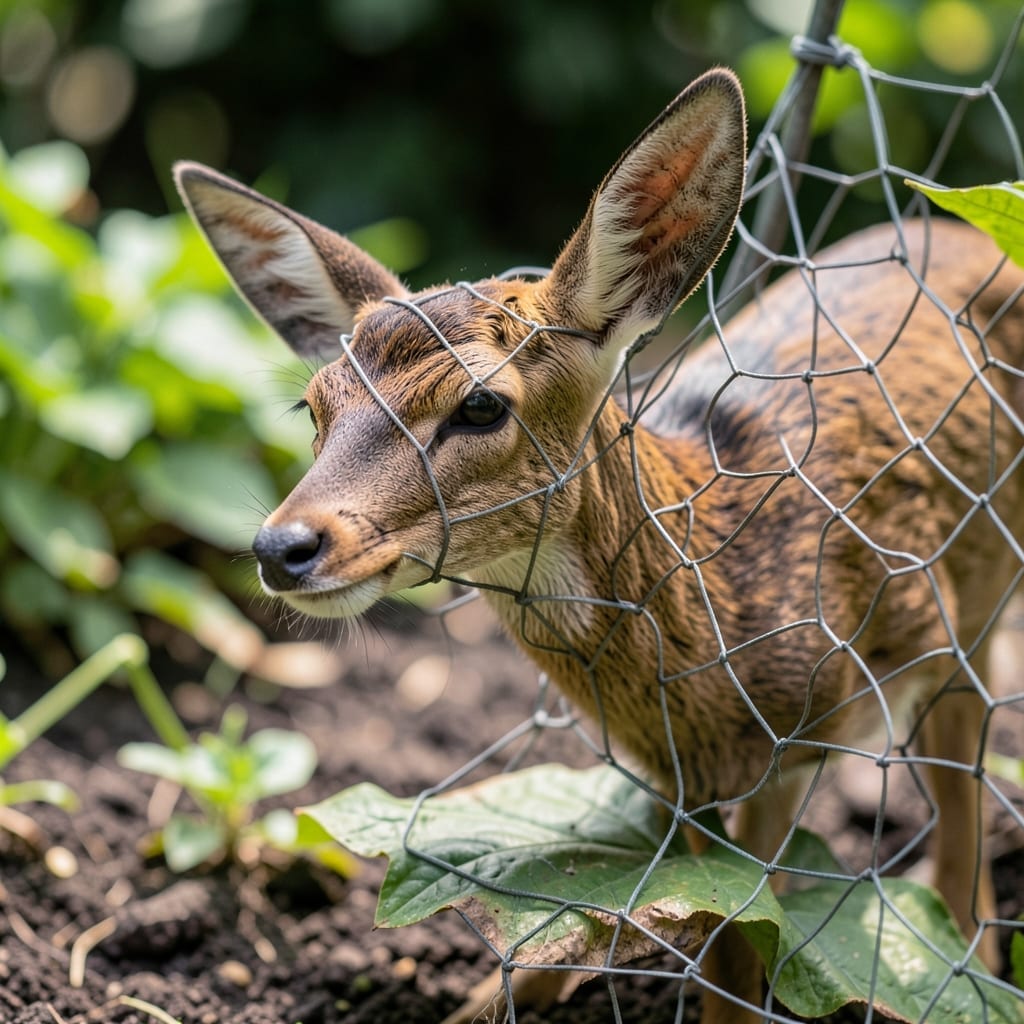
I found my first tangled deer at dawn, panicked and thrashing. 🌿 It’s every gardener’s nightmare—netting meant to protect plants becomes a trap for wildlife. The solution isn’t more barriers, but smarter ones.
Proper tension and height make all the difference. Deer can clear 8-foot fences when spooked, so netting must be taut and high enough to deter jumps. I switched to 10-foot poles with angled extensions, and the incidents stopped.
Regular checks are non-negotiable. Walk your garden line at least twice daily during peak deer activity. The five minutes it takes can save lives and your harvest.
For true peace of mind, combine netting with other deterrents. Motion-activated lights or scent repellents create layers of protection that keep both deer and your plants safe.
Understanding why deer get trapped in garden nets helps prevent these distressing situations. Here are the primary reasons this happens:
Deer are naturally drawn to gardens because of abundant vegetation, fruits, and vegetables. When nets are placed over crops like berries, lettuce, or flowers, deer attempt to access the food, often becoming entangled as they push, pull, or chew through the material. Their strong instinct to feed overrides caution, leading to accidental entrapment.
Many garden nets are nearly invisible to deer, especially in low light or at night. Deer rely on movement and contrast to detect obstacles, and static, fine-mesh netting blends into the background. As they move through the area, they may not see the net until it’s too late, resulting in entanglement.
Once a deer feels trapped, its fight-or-flight response kicks in. Thrashing, jumping, or running in place can worsen entanglement, as the net wraps around antlers, legs, or the body. This panic-driven behavior often makes the situation more dangerous, increasing the risk of injury or further restriction.
Loose or sagging nets are more likely to snare deer. If the netting isn’t taut and elevated at least 6–8 feet high, deer can step into or over it. Similarly, nets left on the ground or improperly secured create gaps where hooves or antlers can catch. Proper tension and height are critical to deterring deer without harming them.
If you find a deer tangled in netting, act quickly but calmly to prevent injury to the animal and yourself. Here’s how to handle the situation safely and effectively:
Approach the deer slowly and speak softly to avoid startling it. If the deer is panicked, give it space and call a wildlife professional immediately. For a calm deer, use scissors or wire cutters to carefully snip the netting around its body, starting from the head and working downward. Avoid sudden movements, as this can cause the deer to thrash and worsen the entanglement.
Prevention tip: 💡 Replace traditional netting with wildlife-friendly alternatives like rigid mesh or fencing at least 8 feet tall. Inspect your garden netting regularly for tears or loose sections that could trap animals.
If the netting is wrapped around the deer’s antlers, do not attempt to pull it off, as this can harm the animal. Instead, carefully cut the netting in small sections, working from the base of the antlers outward. If the deer resists, stop and contact a wildlife rehabilitator for assistance.
Prevention tip: 🌿 Use deer-resistant plants in your garden to reduce the likelihood of deer venturing near netting. Motion-activated sprinklers can also deter them from entering protected areas.
If the deer appears injured or is unable to move, do not attempt to free it yourself. Contact your local wildlife rescue organization or animal control for help. Keep pets and children away from the area to minimize stress for the deer.
Prevention tip: ✨ Secure all garden netting tightly to the ground or supports to eliminate gaps where deer or other wildlife could become trapped.
Always prioritize safety—for both you and the deer. If you’re unsure how to proceed, err on the side of caution and seek professional assistance.
Install netting at least 8 feet high to deter deer, as they can jump up to 6 feet when spooked. Use 10-foot poles with angled extensions for added protection.
Inspect netting at least twice daily, especially during peak deer activity at dawn and dusk. Look for tears, sagging, or trapped wildlife.
Consider rigid mesh or 8-foot fencing instead. Motion-activated sprinklers and deer-resistant plants also reduce the risk of entanglement.
Stay calm and call a wildlife professional immediately. Do not approach a panicked deer—it may injure itself or you.