
Beautiful Plants For Your Interior
Beautiful Plants For Your Interior
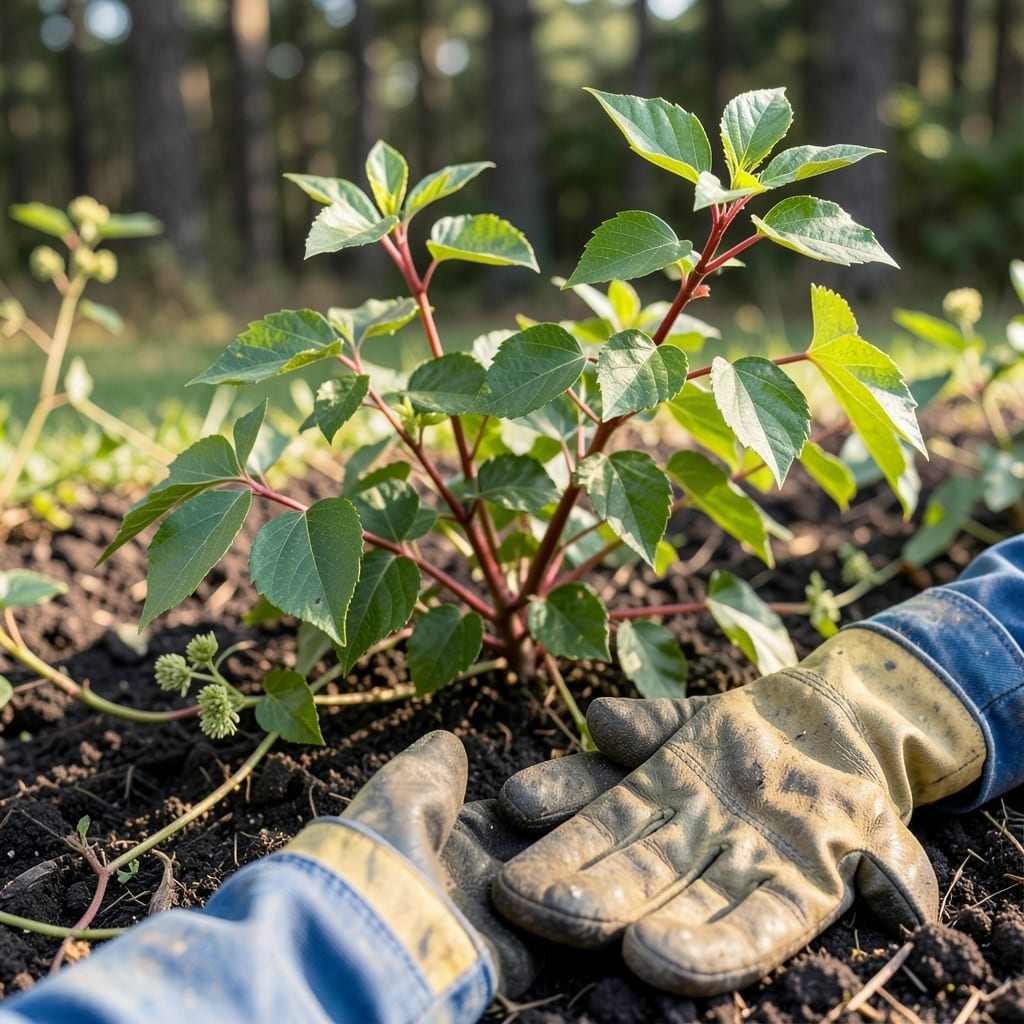
Three shiny leaves should stop you in your tracks. Poison ivy hides in plain sight, blending with harmless plants until it doesn’t. I’ve learned the hard way that misidentifying it means weeks of itching and blisters.
This plant thrives in gardens, wood edges, and even urban parks, often climbing trees or spreading as ground cover. Its leaves come in sets of three, but the shape and size change with the season. The vines can look hairy or smooth, making them tricky to spot.
Safe removal starts with protection—gloves, long sleeves, and careful handling. Never burn it; the smoke carries the same oils that cause reactions. Digging out the roots is the most effective way to keep it from coming back.
Prevention means knowing what to look for and checking your garden regularly. Stay vigilant, and you’ll avoid the misery this plant can bring.
The severity of a poison ivy reaction—sometimes leading to life-threatening complications—stems from a combination of biological, environmental, and human factors. Here’s why this plant can turn deadly in rare cases:
Poison ivy contains urushiol, an oily resin that triggers an immune response in 80-90% of people. For those with extreme sensitivity, the body’s overproduction of histamines and cytokines can cause anaphylactic shock or severe systemic inflammation. Repeated exposure may worsen reactions over time.
The potency of urushiol varies by plant maturity and location. Older vines or plants growing in sunlit areas produce higher concentrations of the oil. Inhaling smoke from burning poison ivy (e.g., during yard cleanup) can deliver a massive dose of urushiol particles to the lungs, leading to pulmonary edema or respiratory failure.
Scratching blisters from poison ivy can break the skin, allowing bacteria like Staphylococcus or Streptococcus to enter. Without treatment, these infections may progress to sepsis, a deadly immune system overreaction. Diabetics or immunocompromised individuals are at higher risk.
Ignoring severe symptoms—such as swelling of the face/throat, difficulty breathing, or widespread rash covering >25% of the body—can allow complications to escalate. Without prompt epinephrine (for anaphylaxis) or corticosteroids, the body’s inflammatory response may become uncontrollable.
Dealing with poison ivy requires caution to avoid skin irritation or an allergic reaction. Here’s how to tackle it step by step, along with prevention tips to keep it from coming back.
First, confirm it’s poison ivy—look for clusters of three pointed leaflets. Wear long sleeves, gloves, and closed-toe shoes to avoid contact. Isolate the area to prevent accidental exposure.
Use a shovel or gardening tool to dig out the roots, ensuring you remove the entire plant. Avoid pulling by hand, as oils can linger on skin. Place all plant parts in a sealed bag for disposal—never burn them, as smoke carries irritants.
Wash tools, clothing, and exposed skin with soap and cool water immediately after removal. The oil (urushiol) can remain active for years, so clean everything thoroughly.
By following these steps, you can safely eliminate poison ivy and reduce the risk of future encounters.
Look for clusters of 3 pointed leaflets on a single stem. The leaves can be shiny or dull, with smooth or toothed edges. Vines may appear hairy or smooth, and can grow as ground cover or climb trees.
Inhaling smoke releases urushiol particles into your lungs, causing severe respiratory distress. This can lead to pulmonary edema or even respiratory failure in extreme cases.
Urushiol can remain potent on tools, clothing, or pet fur for 1-5 years. Always wash exposed items thoroughly with soap and water.
Yes! If your pet has brushed against poison ivy, the oil can transfer to your skin. Wash your pet with soap and water while wearing gloves to avoid exposure.