
Beautiful Plants For Your Interior
Beautiful Plants For Your Interior
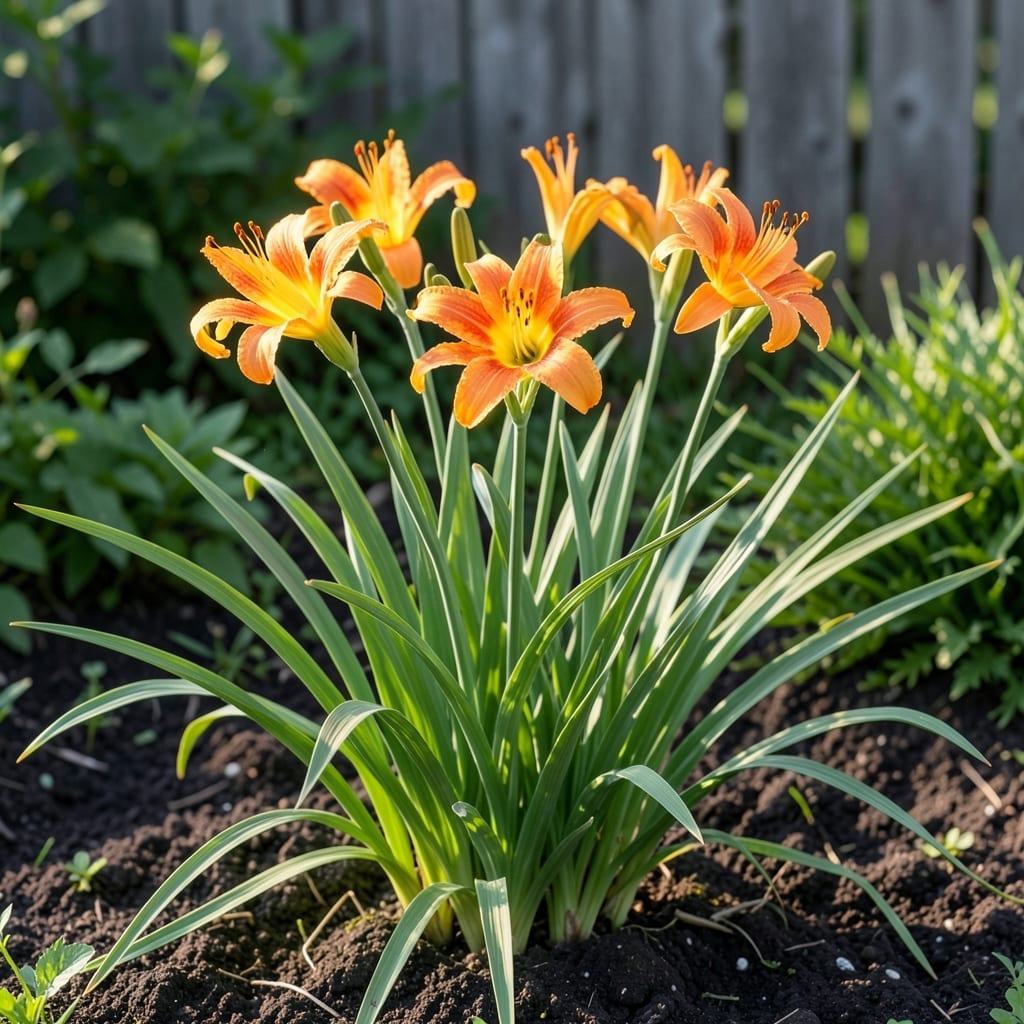
Day lilies are a gardener’s dream, offering vibrant blooms with minimal care. But knowing their bloom time is the key to enjoying their beauty all season long.
I remember planting my first 🌸 Daylily and waiting impatiently for those first colorful displays. Timing makes all the difference in your garden’s success.
From early summer to the first frost, these resilient plants can brighten your landscape. Yet many gardeners don’t realize how much their local climate affects the show.
Discover how to predict and even extend your Daylily’s flowering period. The secrets might surprise you and transform your garden experience.
If you’ve ever wondered when your day lilies will burst into color, you’re not alone. These hardy perennials have different bloom times based on their variety and your local climate zone. I’ve found that timing can vary by weeks depending on where you live.
Early-season varieties like ‘Stella de Oro’ often start blooming in late spring, while mid-season types, such as ‘Hyperion’, typically flower in early summer. Late-season day lilies, including ‘Autumn Minaret’, may not open until late summer or early fall.
Climate plays a huge role in bloom timing. In warmer USDA zones 7-9, day lilies may start blooming 2-3 weeks earlier than in cooler zones 3-5. I’ve noticed my ‘Stella de Oro’ in zone 6 starts in early June, while a friend in zone 4 sees hers in late June.
Soil temperature also affects flowering schedules. Day lilies prefer well-draining soil that warms up quickly in spring. If your soil stays cold and soggy, expect delayed blooms. Adding organic mulch can help regulate soil temperature.
Another factor is day length. Day lilies are photoperiod-sensitive, meaning they respond to the amount of daylight. In regions with longer summer days, some varieties may produce more blooms or extend their flowering period.
For the most consistent blooms, I recommend planting a mix of early, mid, and late-season varieties. This way, you’ll enjoy continuous color from late spring through early fall. It’s like having a living calendar in your garden!
If you’re in a hot climate, some day lilies may experience heat stress, which can shorten their bloom time. Providing afternoon shade and keeping the soil evenly moist can help mitigate this issue.
Finally, remember that young plants may take 1-2 years to establish and produce their first blooms. Patience is key! Once mature, most day lilies will reward you with abundant flowers year after year.
With a little planning, you can create a staggered bloom display that keeps your garden vibrant for months on end 🌸
Want to enjoy day lily blooms for weeks instead of days? I’ve discovered simple tricks to stagger bloom times and keep colors coming. The key is variety selection and timing.
Early, mid, and late-season day lily cultivars can be planted together for a continuous show. This approach gives you 6-8 weeks of flowers rather than just 2-3.
🌸 5 Ways to Extend Blooming:
I always deadhead spent blooms first thing in the morning. This prevents seed formation and encourages more flowers. It’s a small task with big rewards.
Watering consistency is crucial during bud formation. I aim for 1 inch weekly, more in extreme heat. Dry spells can delay or reduce blooming significantly.
For longer displays, I mix day lily varieties with different bloom times. ‘Stella de Oro’ starts early, while ‘Autumn Red’ finishes late. This creates a colorful relay race in my garden.
Finally, remember that healthier plants produce more blooms. I feed mine with balanced fertilizer in early spring and again after the first flush of flowers.
With these methods, my day lilies now bloom from June through September, keeping my garden vibrant all summer long.