
Beautiful Plants For Your Interior
Beautiful Plants For Your Interior
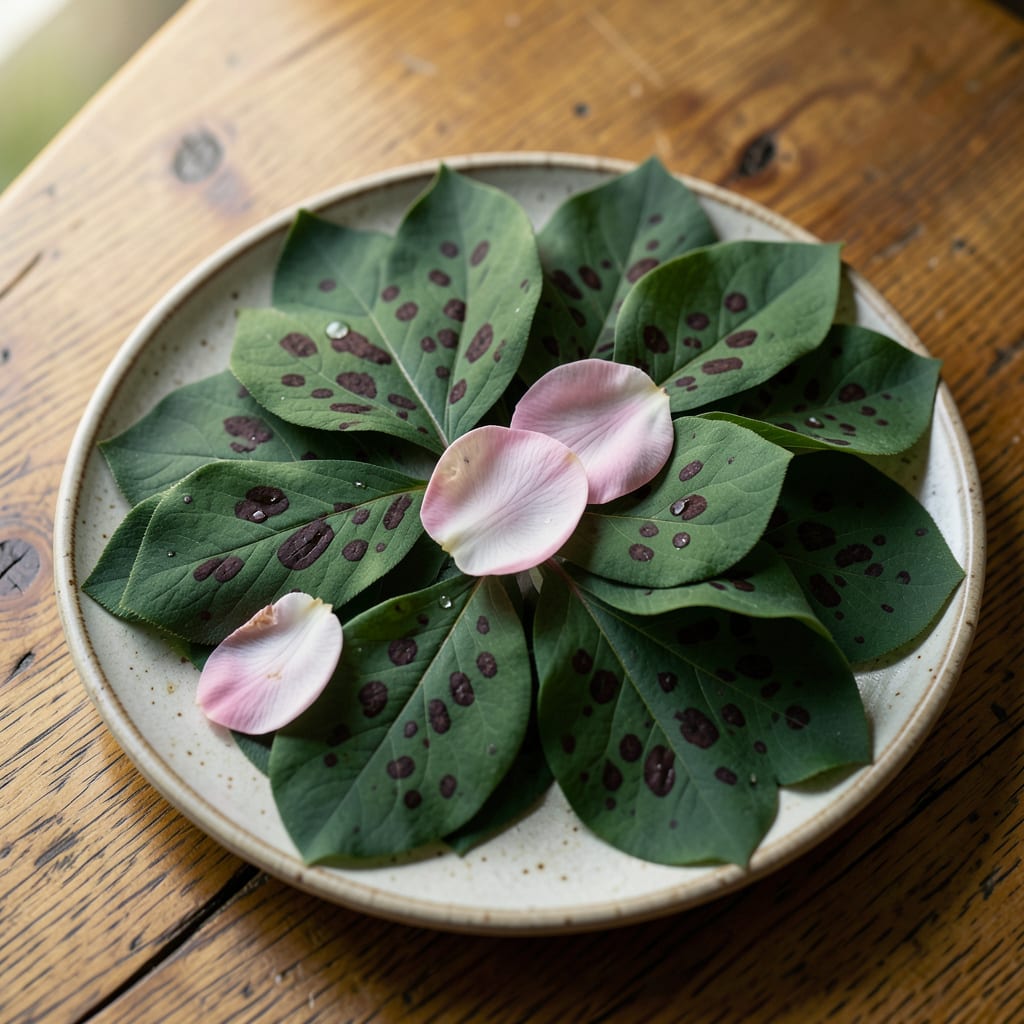
Those dark spots on your peony leaves aren’t just ugly—they’re a warning sign. I ignored them once and lost half my blooms that season.
Most cases point to fungal infections like leaf blotch, which spreads fast in wet conditions. But environmental stress or pests can cause similar damage, so proper diagnosis saves you from wasting time on the wrong treatment.
You’ll need to remove affected foliage immediately, improve air circulation, and apply the right fungicide. The good news? With quick action, your peonies can rebound with healthy growth and full blooms next year.
Works for all peony varieties, whether you’re growing herbaceous, tree, or intersectional types. Here’s how to fix it.
Dark spots on peony leaves often stem from several key issues, primarily tied to environmental stress or pathogens. Below are the most common causes, explained with actionable insights.
Fungi like Botrytis paeoniae (peony blight) or Cladosporium thrive in wet, humid conditions. They produce dark, irregular spots as they colonize leaf tissue, often with a purplish or brown halo. Overhead watering or poor air circulation accelerates their spread.
Excess moisture weakens peony roots and foliage, creating ideal conditions for fungal and bacterial growth. Waterlogged soil restricts oxygen uptake, leading to stress-related discoloration. Ensure soil drains well and water at the base, not the leaves.
Lack of potassium or magnesium can manifest as dark, necrotic spots on older leaves. Test soil pH (ideal: 6.5–7.0) and amend with balanced fertilizers or compost to correct imbalances.
Sap-sucking insects like aphids or thrips cause localized tissue death, resulting in dark spots. Their feeding sites may also introduce secondary infections. Inspect leaf undersides and treat with insecticidal soap if pests are present.
Dark spots on peony leaves are usually treatable with the right approach. Below are targeted solutions for the most common causes, along with prevention tips to keep your plants healthy.
If the spots are caused by fungal diseases like leaf blotch or powdery mildew, start by removing infected leaves and disposable of them in the trash (not compost). Apply a fungicide like copper-based sprays or neem oil, following label instructions. For severe cases, repeat treatment every 7–10 days until the issue clears.
Prevention tip: 💡 Improve air circulation by spacing plants properly and watering at the base to avoid wetting foliage.
Spots from aphids, thrips, or mites can be managed by spraying leaves with water to dislodge pests or using insecticidal soap. For stubborn infestations, introduce beneficial insects like ladybugs or apply horticultural oil.
Prevention tip: 🌡️ Inspect plants regularly and encourage biodiversity to deter pests naturally.
If waterlogged soil is the culprit, reduce watering frequency and ensure pots have drainage holes. For garden peonies, amend heavy soil with compost to improve drainage. Let the top inch of soil dry out between waterings.
Prevention tip: ✨ Use a moisture meter to avoid overwatering, and mulch to retain even soil moisture.
Yellowing or spotted leaves may signal a lack of potassium, magnesium, or nitrogen. Use a balanced fertilizer (10-10-10) or a peony-specific formula in early spring. Avoid over-fertilizing, which can harm roots.
Prevention tip: 🎯 Test soil annually and adjust amendments as needed for optimal plant health.
Fungal spots often have irregular edges and may show a purple or brown halo. They spread quickly in wet conditions. Check for fuzzy growth on undersides, a telltale sign of fungal infection.
Yes, but only if combined with treatment. Remove infected leaves and dispose of them in the trash, not compost. Then apply a fungicide to prevent further spread.
Waterlogged soil creates perfect conditions for fungal growth. Always water at the base and ensure good drainage to prevent stress-related spotting.
Neem oil works well as both fungicide and insecticide. Mix with water and spray weekly until spots disappear. For pests, insecticidal soap is another effective organic option.
