
Beautiful Plants For Your Interior
Beautiful Plants For Your Interior
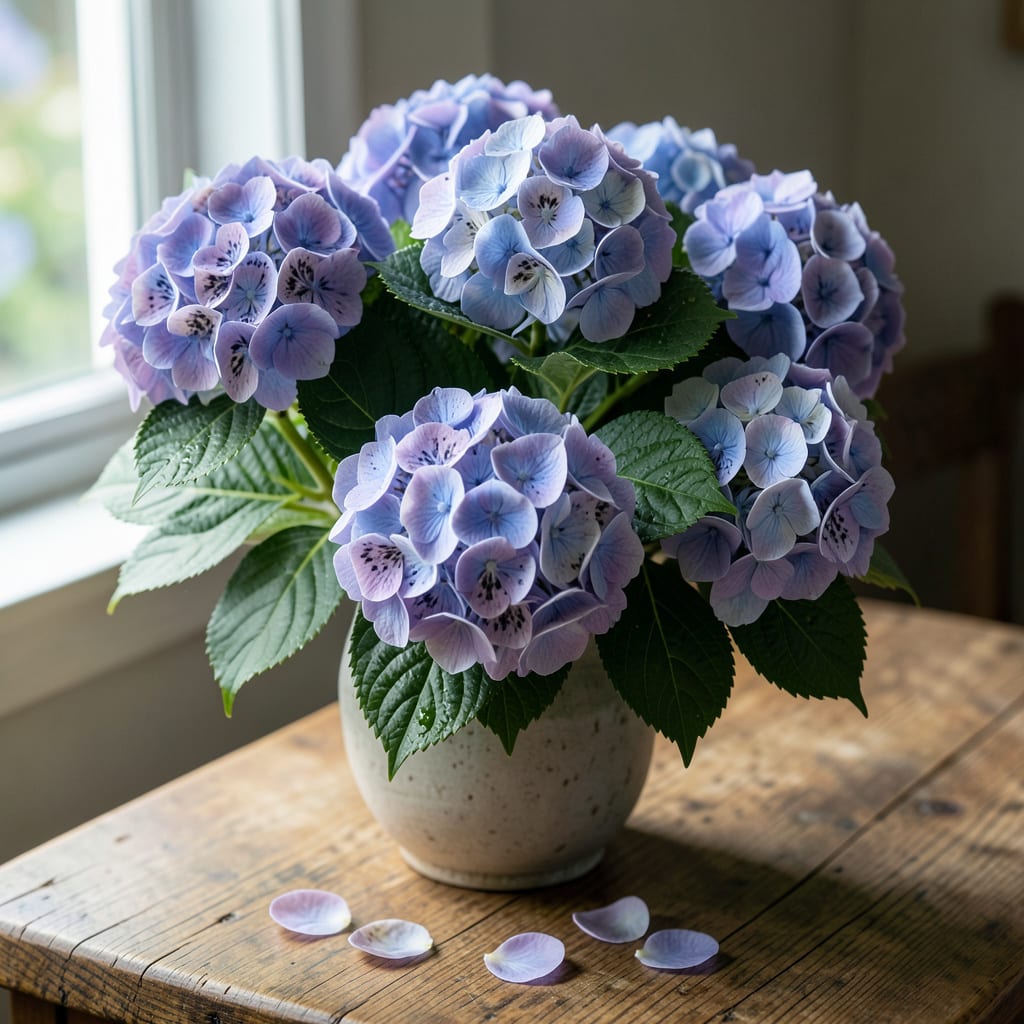
Those dark spots on your hydrangea leaves aren’t just ugly—they’re a warning. I’ve seen this pattern before: small purple-brown splotches that spread fast, especially after rainy weeks.
Most likely, you’re dealing with anthracnose or leaf spot fungus. These thrive in wet conditions, and once they take hold, they can defoliate your plant in 2-3 weeks if ignored.
The fix starts with removing infected leaves immediately—don’t compost them. Then adjust watering to keep foliage dry, and improve air circulation around the plant.
Early action saves the blooms and keeps your hydrangeas healthy for next season. Here’s exactly what to do.
Dark spots on hydrangeas are often a sign of underlying issues, and understanding the causes is the first step toward effective treatment. Below are the most common culprits:
Fungi like Cercospora and Anthracnose thrive in warm, humid conditions, leading to circular dark spots on leaves. These pathogens spread through water splashes, so overhead watering can worsen the problem. Action: Improve air circulation and avoid wetting foliage.
Excess moisture creates a breeding ground for fungi and bacteria. Hydrangeas with waterlogged roots often develop dark, mushy spots on leaves. Action: Ensure well-draining soil and water at the base, not the leaves.
Extreme heat, cold drafts, or sudden temperature swings can cause leaf scorching, which may appear as dark patches. Action: Provide afternoon shade in hot climates and mulch to stabilize soil temperature.
Insects like aphids or spider mites weaken plants, making them more susceptible to secondary infections that cause dark spots. Action: Inspect leaves regularly and treat infestations with insecticidal soap.
Dark spots on hydrangeas can be frustrating, but with the right approach, your plants can thrive again. Here’s how to tackle each common cause:
If the spots are round and brown with a yellow halo, it’s likely leaf spot fungus. Start by pruning infected leaves with sterilized shears to prevent spread. Apply a copper-based fungicide or neem oil spray every 7–10 days until the issue clears. Prevention tip: 💡 Space plants for airflow and avoid overhead watering.
Soggy soil leads to root rot, which can cause dark, mushy spots. Let the top 1–2 inches of soil dry out before watering again. Ensure pots have drainage holes, and use a well-draining soil mix. Prevention tip: ✨ Water at the base in the morning to allow foliage to dry quickly.
Sunburn or cold damage can create dark, crispy patches. Move potted hydrangeas to a spot with dappled shade, or use shade cloth for intense afternoon sun. Mulch around the base to regulate soil temperature. Prevention tip: 🌡️ Acclimate plants gradually to new conditions.
Check undersides of leaves for aphids or spider mites, which can leave dark spots from their feeding. Blast them off with water or apply insecticidal soap. Prevention tip: 🎯 Encourage ladybugs and other natural predators in your garden.
Consistency is key—monitor your hydrangeas weekly to catch issues early and keep them blooming beautifully!
Remove infected leaves immediately and dispose of them in the trash, not compost. Then apply a copper-based fungicide or neem oil every 7-10 days until clear.
Yes! Soggy soil creates perfect conditions for fungal growth. Let the top 1-2 inches of soil dry between waterings and always water at the base.
If left untreated, severe infections can defoliate the plant and reduce flowering. Early action saves both leaves and blooms.
Baking soda sprays can help mild cases, but for persistent issues, commercial fungicides work better. Always test on a small area first.
