
Beautiful Plants For Your Interior
Beautiful Plants For Your Interior
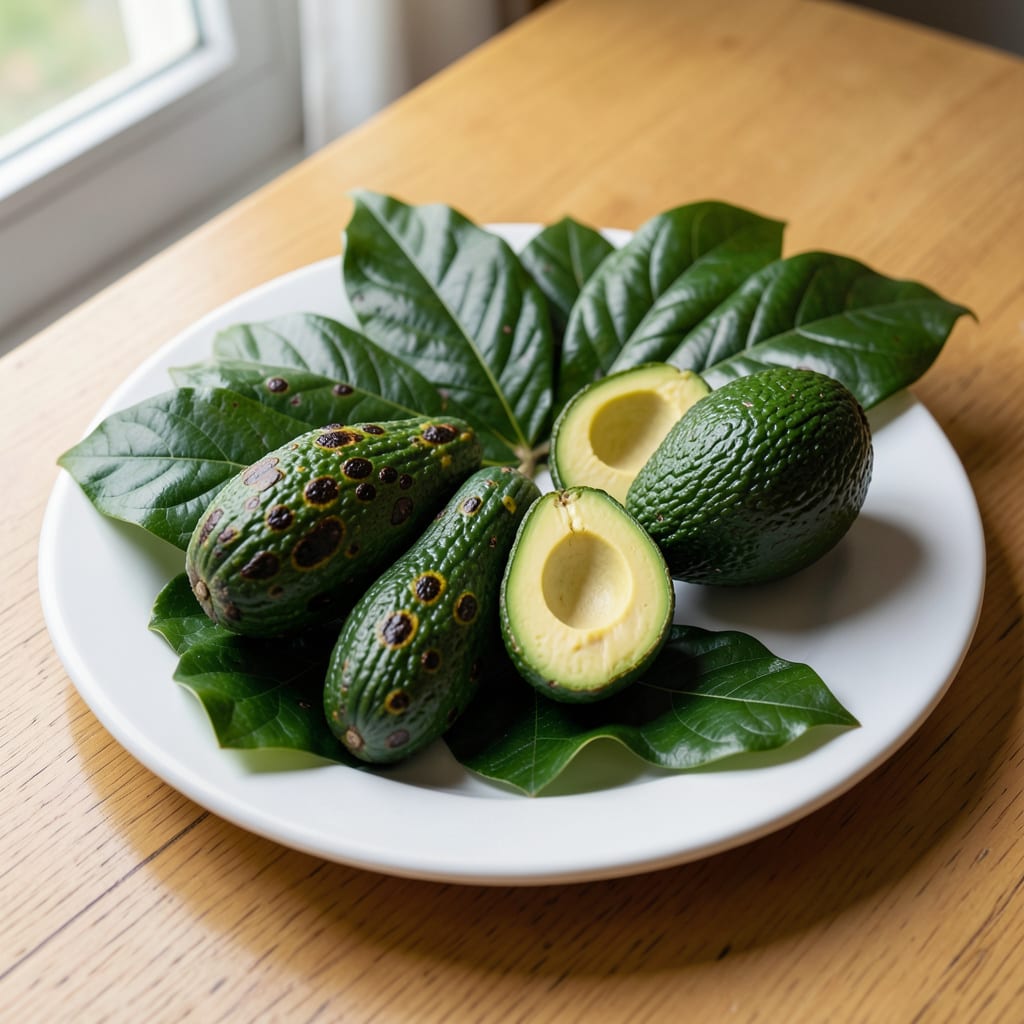
I first noticed the dark spots on my avocado tree last summer. What started as tiny flecks spread fast, turning leaves yellow then brown. It was a wake-up call about how quickly small issues can spiral.
Turns out most cases come from three culprits: fungal infections, pest damage, or nutrient problems. The good news? Each leaves distinct patterns. Learning to spot these differences saved my tree and most of its foliage.
Now I catch problems early with weekly leaf checks. A simple magnifying glass and knowing what to look for makes all the difference. The fixes are straightforward once you identify the real issue.
Works for potted plants and backyard trees alike. Here’s how to diagnose and treat it properly.
Dark spots on avocado leaves often signal underlying issues that disrupt the tree’s health. Below are the most common causes, explained with actionable insights to help you diagnose and address the problem.
Fungi like Colletotrichum (anthracnose) or Phytophthora thrive in damp, warm conditions. They invade leaves through wounds or stomata, creating dark, sunken, or irregular spots. Overhead watering and poor air circulation exacerbate fungal growth. Action: Improve drainage, avoid wetting foliage, and apply copper-based fungicides preventatively.
Sap-sucking pests such as mites, scale, or avocado lace bugs pierce leaf tissues, causing cell death and dark necrotic spots. Their feeding also introduces toxins or pathogens. Action: Inspect leaf undersides for pests. Use neem oil or insecticidal soap for small infestations, and introduce beneficial insects like ladybugs for larger outbreaks.
Extreme temperatures, frost, or sudden temperature swings can trigger leaf burn, appearing as dark, crispy spots. Avocados prefer stable conditions (60–85°F). Action: Protect trees with frost cloth in cold snaps and ensure consistent watering to mitigate heat stress.
Deficiencies in potassium, magnesium, or zinc may manifest as dark spots, often accompanied by yellowing or leaf curling. Poor soil pH (avocados thrive in 6.0–6.5) can lock out nutrients. Action: Test soil and amend with organic matter or targeted fertilizers (e.g., potassium sulfate for potassium deficiency).
Herbicides, excessive salts from fertilizers, or foliar sprays applied in high heat can scorch leaves, leaving dark, irregular patches. Action: Rinse leaves immediately if chemical exposure is suspected. Always follow label instructions for application rates and timing.
Dark spots on your avocado leaves can be frustrating, but most issues are fixable with the right approach. Below are targeted solutions for common causes, along with prevention tips to keep your tree thriving. 🌿
Fungal issues like anthracnose or root rot often cause dark, spreading spots. Start by pruning affected leaves and branches to improve airflow. Apply a copper fungicide or a homemade mix of 1 tsp baking soda + 1 quart water + a few drops of dish soap every 7–10 days until spots disappear. Prevent it: Water at the base (not the leaves) and avoid overhead irrigation. 💡
Pests like spider mites or avocado lace bugs leave behind dark spots from their feeding. Blast them off with a strong stream of water, then apply neem oil or insecticidal soap weekly until pests are gone. Prevent it: Inspect leaves regularly and introduce beneficial insects like ladybugs. ✨
Soggy soil leads to root stress, which can manifest as dark leaf spots. Let the top 1–2 inches of soil dry out between waterings, and ensure pots have drainage holes. If root rot is suspected, repot in fresh, well-draining soil. Prevent it: Use a moisture meter and opt for terracotta pots to wick away excess water. 🎯
Extreme heat, cold drafts, or low humidity can stress your avocado, causing dark patches. Move potted plants to a stable environment (65–85°F) and mist leaves if humidity is below 40%. Prevent it: Keep trees away from AC vents or heaters, and use a humidifier if needed. 🌡️
Dark spots with yellow halos may signal a magnesium or potassium deficiency. Apply a balanced fertilizer (like 6-6-6) or amend soil with compost or Epsom salt (1 tbsp per gallon of water) monthly. Prevent it: Test soil every 6 months and fertilize seasonally. 📊
Yes, soggy soil leads to root stress which often appears as dark patches. Let the top 1-2 inches of soil dry between waterings and ensure good drainage.
Prune affected leaves immediately and isolate the plant. Apply a copper fungicide or neem oil to prevent further damage.
Check leaf undersides for tiny bugs or webbing (pests). Fungal spots often have irregular edges and may feel damp.
Damaged leaves won’t heal, but new growth will be healthy once the underlying issue is fixed. Remove severely spotted leaves to redirect energy.
