
Beautiful Plants For Your Interior
Beautiful Plants For Your Interior
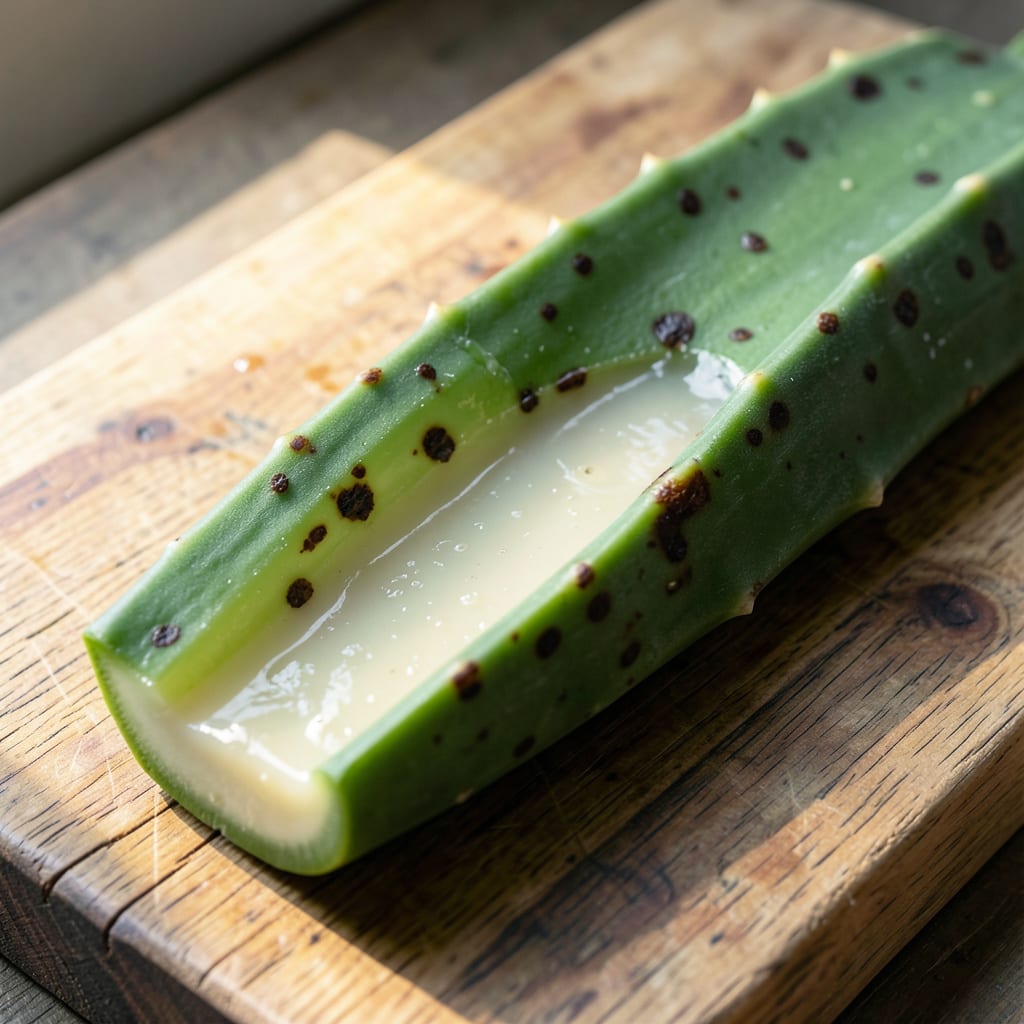
Dark spots on your aloe are a red flag, not a death sentence. I’ve saved dozens from the same issue with simple fixes.
Most cases come from overwatering or poor drainage—aloe roots hate wet feet. Sometimes it’s sunburn from too much direct light without acclimation.
You’ll see improvement within 2-3 weeks once you adjust watering and light. The spots won’t vanish, but new growth stays healthy.
Works for potted plants indoors or out. Here’s how to nurse yours back to its best shape.
Dark spots on aloe plants often signal underlying stress or disease. Here are the most common causes, explained with actionable insights:
Excess moisture is a primary culprit. Aloe plants thrive in dry conditions, and soggy soil deprives roots of oxygen, leading to fungal infections like Phytophthora or Pythium. This manifests as black or brown spots on leaves, often soft to the touch. Fix: Ensure well-draining soil and water only when the top 1-2 inches are dry.
While aloe loves sunlight, intense, direct rays (especially sudden exposure) can scorch leaves, creating dark, dry patches. This is common in plants moved outdoors without acclimation. Fix: Gradually introduce sunlight and provide shade during peak afternoon hours.
Sap-sucking pests like scale insects or mealybugs leave behind dark, sticky residue (sooty mold) or necrotic spots where they feed. Check leaf undersides for tiny bumps or white cottony clusters. Fix: Wipe leaves with neem oil or insecticidal soap weekly until pests are gone.
Pathogens such as Alternaria or Xanthomonas thrive in humid, poorly ventilated environments, causing circular dark spots with yellow halos. Fix: Improve airflow, avoid wetting leaves, and remove infected foliage immediately. Copper fungicides can help for severe cases.
Tap water high in salts or fluoride can cause tip burn—dark, crispy spots at leaf edges. Fix: Use distilled or rainwater, and flush the soil every 2-3 months to leach out excess minerals.
Dark spots on your aloe plant can be frustrating, but most causes are treatable with simple fixes. Below are targeted solutions for common issues, along with prevention tips to keep your plant thriving.
Fix: Move your aloe to a spot with bright, indirect light. If the damage is severe, trim the affected leaves with clean scissors to encourage new growth. Gradually reintroduce sunlight over a week to avoid shocking the plant.
Prevention: Avoid placing aloe in harsh, direct sunlight (especially midday). Use a sheer curtain to filter intensity if needed.
Fix: Stop watering immediately and let the soil dry out completely. Check the roots for rot—trim any black or mushy roots with sterilized tools, then repot in fresh, well-draining soil. Use a terracotta pot to improve airflow.
Prevention: Water only when the top 1–2 inches of soil are dry. Ensure the pot has drainage holes, and empty the saucer after watering.
Fix: Wipe leaves with a damp cloth to remove pests like mealybugs or scale. For stubborn infestations, apply neem oil or insecticidal soap, following label instructions. Isolate the plant to prevent spreading.
Prevention: Inspect new plants before bringing them home, and regularly check your aloe for early signs of pests. Keep leaves dry to discourage bugs.
Fix: Remove infected leaves and treat the plant with a copper-based fungicide or bactericide. Improve air circulation around the plant and reduce humidity.
Prevention: Avoid overhead watering—water at the base instead. Space plants apart to allow airflow, and sterilize tools between uses.
💡 Pro Tip: Healthy aloe plants bounce back quickly! Always use clean tools when pruning to prevent spreading disease, and fertilize lightly in spring/summer to boost resilience.
They usually signal stress from overwatering, sunburn, or pests. Soft, mushy spots often mean root rot, while dry, crispy patches suggest too much direct sunlight.
Yes! Remove affected leaves with clean tools and adjust care. For root rot, repot in fresh, dry soil. Most plants recover in 2-3 weeks with proper changes.
Water only when the top 1-2 inches of soil are completely dry. Typically, this means every 2-3 weeks indoors. Always use pots with drainage holes.
Existing spots won’t fade, but new growth stays healthy. Focus on prevention—proper light, watering, and airflow—to keep your plant thriving long-term.
