
Beautiful Plants For Your Interior
Beautiful Plants For Your Interior
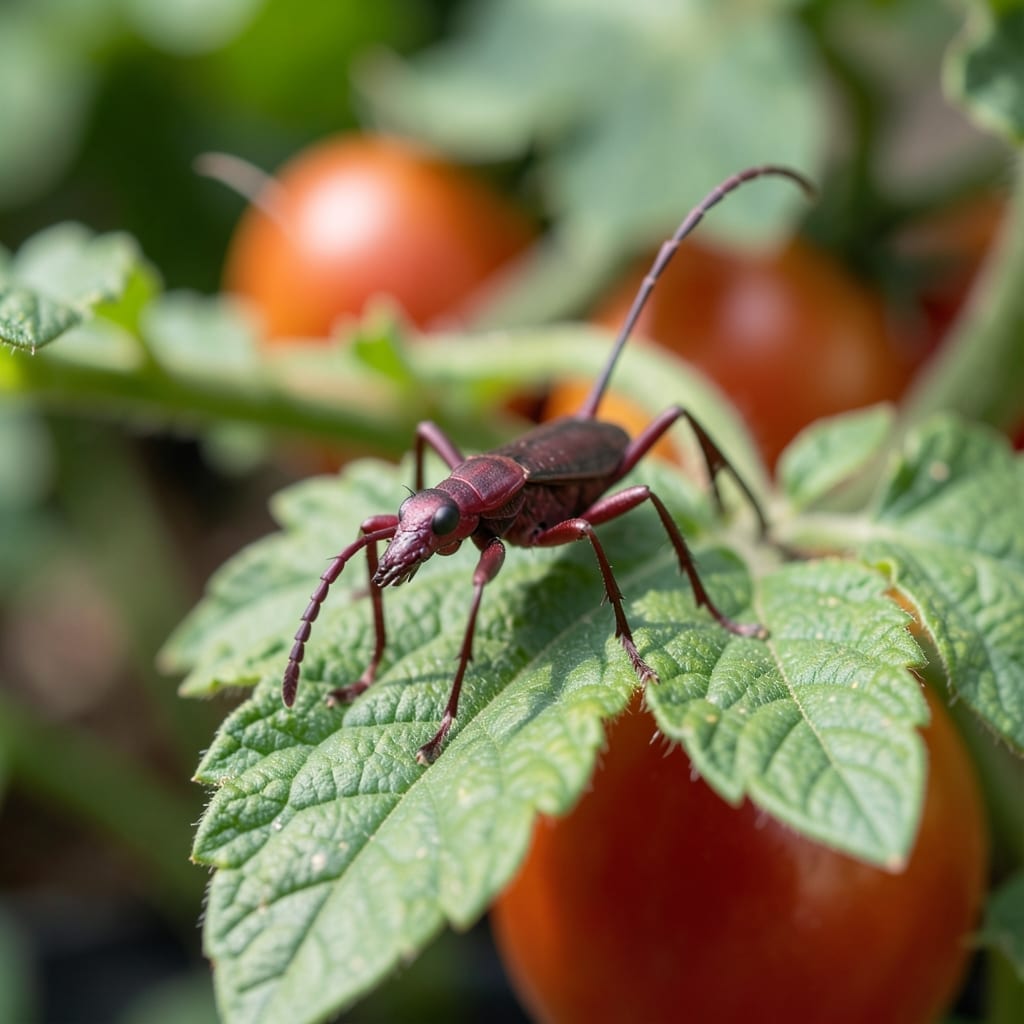
Spotted a dark red bug on your plants? Don’t panic, but don’t ignore it either. These tiny invaders can multiply fast and wreak havoc on your garden if left unchecked.
I’ve dealt with my share of red pests—aphids clustering on new growth, mites webbing under leaves. The damage shows up as curled leaves, stunted growth, or that telltale sticky residue they leave behind.
Early detection is your best defense. Check leaf undersides weekly, especially during warm weather when they’re most active. A strong spray from the hose can knock back light infestations immediately.
For heavier problems, organic options like insecticidal soap or neem oil work well. The key is consistency—one treatment won’t cut it. You’ll need to reapply every 5-7 days until they’re gone.
The appearance of dark red bugs in your home or garden is rarely random. These pests often emerge due to specific environmental or behavioral triggers. Below are the most common causes, explained with actionable insights.
Dense plant growth provides shelter and food for many dark red insects, like boxelder bugs or red shouldered bugs. Overgrown shrubs, untrimmed grass, or piled leaf litter create ideal breeding grounds. Action: Regularly prune vegetation and remove debris to disrupt their habitat.
Cracks in foundations, gaps around windows, or damaged screens allow these bugs to invade homes, especially in fall when they seek warmth. Action: Seal entry points with caulk or weather stripping to block access.
Many dark red bugs, such as clover mites, become active in spring and fall due to temperature fluctuations. Warm days followed by cool nights trigger their movement indoors. Action: Use door sweeps and maintain consistent indoor temperatures to deter them.
Standing water or high humidity attracts pests like red fire ants or drain flies. Leaky pipes, cluttered gutters, or poor drainage create moist environments they thrive in. Action: Fix leaks, improve drainage, and use dehumidifiers in damp areas.
Compost piles, rotting wood, or unmanaged trash bins attract dark red bugs that feed on decomposing material. Action: Store compost in sealed bins, remove rotting wood, and take out trash regularly.
Dealing with a dark red bug infestation can be frustrating, but these practical solutions will help you regain control. Below are targeted fixes for common causes, along with prevention tips to keep them from returning.
If the bugs are drawn to your garden or indoor plants, use natural deterrents. A spray made of neem oil, water, and a few drops of dish soap disrupts their life cycle. Apply it directly to affected areas every 3–4 days until the problem subsides. Prevention tip: 💡 Plant bug-repelling herbs like basil, mint, or lavender nearby to keep them away long-term.
For indoor invasions, a thorough cleaning is key. Vacuum carpets, furniture, and cracks where bugs may hide. Dispose of the vacuum bag immediately to prevent reinfestation. Wipe down surfaces with a vinegar-water solution to remove pheromone trails that attract others. Prevention tip: 🌡️ Store food in airtight containers and fix leaky pipes to eliminate moisture sources.
Inspect your home for gaps around windows, doors, and foundation cracks. Seal them with caulk or weatherstripping to block entry. Pay special attention to utility lines and vents, as these are common access points. Prevention tip: ✨ Regularly check and repair screens on windows and doors to create a barrier.
For persistent infestations, use sticky traps or pheromone-based lures. Place them near known hotspots, such as under sinks or along baseboards. Replace traps weekly to maintain effectiveness. Prevention tip: 🎯 Rotate trap locations to catch stragglers and monitor for new activity.
Common ones include aphids, clover mites, and boxelder bugs. Aphids cluster on new growth, while clover mites appear as tiny red dots moving in groups. Boxelder bugs are larger with distinct red markings.
They often emerge due to warm weather, excess moisture, or overgrown plants. Temperature shifts in spring/fall trigger activity, and damp conditions attract many species.
Plant repellent herbs like basil or mint nearby. Regularly prune vegetation and remove leaf litter. A neem oil spray every 3-4 days helps deter them.
Yes, many suck plant juices causing curled leaves or stunted growth. Some leave sticky residue that attracts mold. Early action prevents serious damage.