
Beautiful Plants For Your Interior
Beautiful Plants For Your Interior
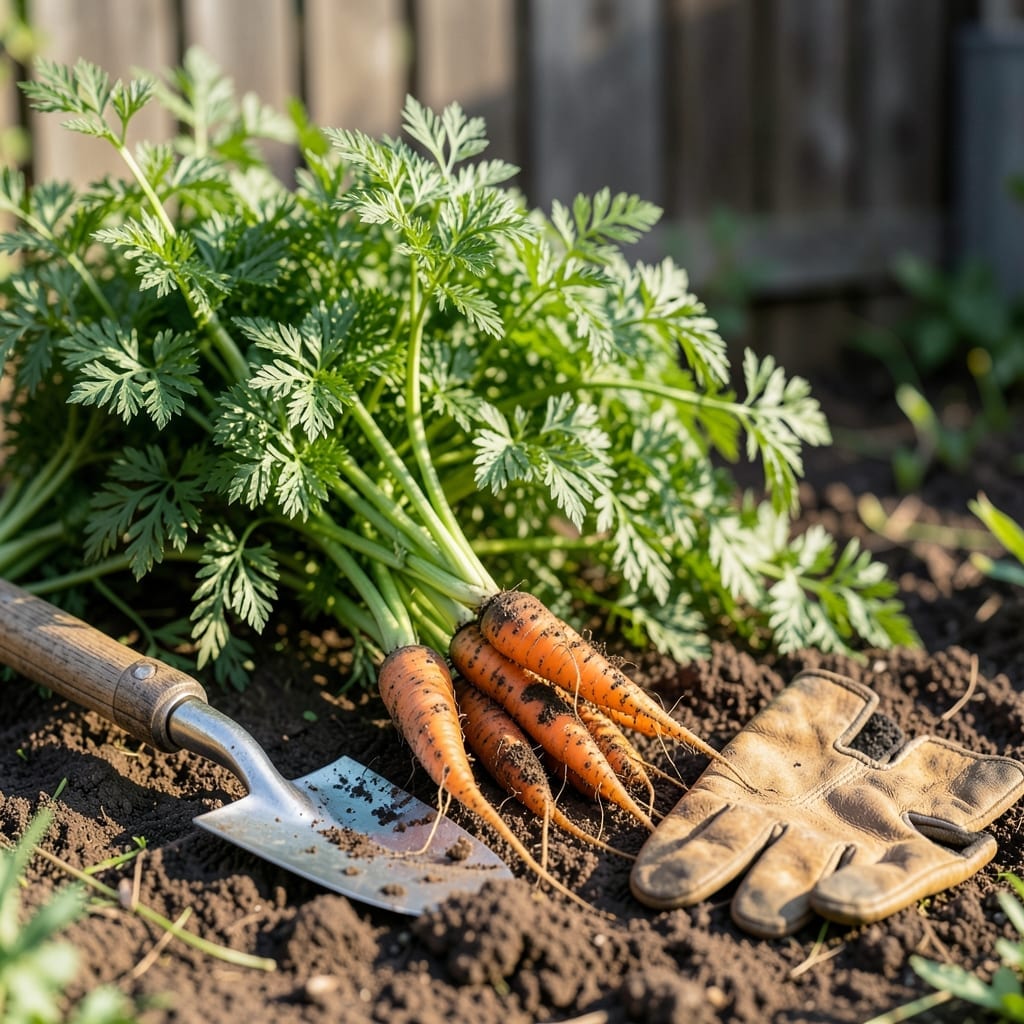
There’s nothing quite like the satisfaction of pulling a perfect Carrot from the soil at just the right moment. But knowing when that moment is can be tricky, especially with Danvers.
Timing your harvest wrong might leave you with woody or bland roots instead of the sweet, crisp carrots you’ve been dreaming of. The visual cues are subtle but unmistakable once you know what to look for.
I’ve learned that the difference between a mediocre harvest and an exceptional one often comes down to 3 simple signs. These indicators reveal exactly when your Danvers are at their flavorful peak.
Let me show you how to spot them and enjoy the best carrots of your gardening season.


I’ve found that Danver carrots reveal their readiness through visual cues that are hard to miss once you know what to look for. The shoulder color is the first telltale sign, shifting to a deep orange hue when they’re ripe.
The diameter of the root is another clear indicator. For Danvers, aim for 1 to 1.5 inches across the crown. This size ensures they’ve developed their signature sweetness and crunch without becoming woody.
| Indicator | Specification |
|---|---|
| Shoulder Color | Deep orange |
| Root Diameter | 1 to 1.5 inches |
| Visible Crown | Just above soil |
| Growth Days | 60 to 75 days |
A visible root crown peeking just above the soil line often signals that your Danvers are nearing harvest. This happens as the carrot grows and pushes the soil upward. I check for this daily once the plants are mature.
Timing also depends on the growing days. Danver carrots typically reach harvest readiness in 60 to 75 days from sowing. If you planted in early spring, start checking around June or July for the best results.
The sugar content peaks when the carrots are at their optimal size. Smaller roots may lack sweetness, while oversized ones can turn tough. I always pull a test carrot to check for firmness and flavor.
Another sign is the foliage height. When the tops reach 6 to 8 inches, it’s a good indicator that the roots have developed sufficiently. This is especially useful if the soil is loose and the crown isn’t as visible.
I’ve noticed that consistent watering helps maintain even growth. Carrots that experience drought stress may split or develop a bitter taste, so keep the soil moist but not soggy throughout the growing season.
If you’re unsure, gently brush away the soil around the base of the plant to inspect the root. A firm texture and vibrant color confirm it’s ready. Avoid harvesting during extreme heat, as this can affect flavor.
Finally, early morning is the best time to harvest. The carrots are at their crispest, and the cooler temperatures reduce stress on the plants. I always use a garden fork to loosen the soil first.
With these indicators, you’ll never second-guess when to pull your Danver carrots again 🌱
I’ve found that Danver carrots are ready when their shoulders reach 1-1.5 inches in diameter and the tops are 6-8 inches tall. This is when they’ve developed peak sweetness and texture.
To avoid damage, I always harvest in the early morning or after rain when the soil is moist. This makes extraction easier and reduces the risk of snapping the roots.
Steps to Harvest Danver Carrots:
One common mistake I see is pulling too hard, which can break the carrots. Instead, I rock them side to side to ease them out of the ground.
Another tip: dull tools can crush the roots, so I always use a sharp garden fork to lift stubborn ones. This keeps the Danver carrots intact and looking their best.
If the soil is dry, I water the area the night before harvesting. This softens the ground and helps prevent root damage during extraction.
Finally, I inspect each carrot for cracks or bruises. If any look damaged, I use them first to avoid spoilage. The rest can be stored for weeks if kept cool and dry.
Harvesting at the right time ensures maximum flavor and minimal waste from your Danver carrot crop ☀️