
Beautiful Plants For Your Interior
Beautiful Plants For Your Interior
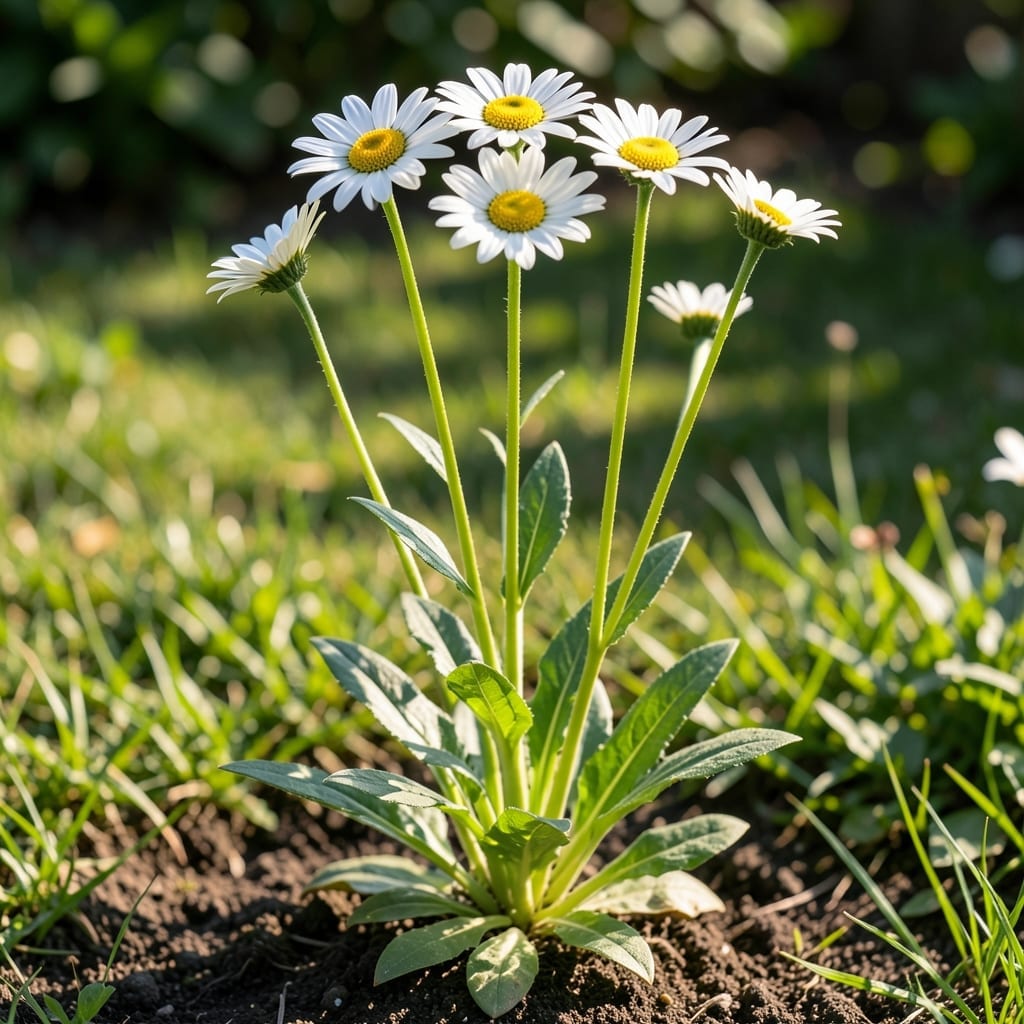
From delicate seedlings to cheerful summer blooms, the 🌼 Daisy transforms your garden with classic charm. But how tall will these beauties actually grow in your space?
Understanding their mature height helps you plan borders, containers, and landscape designs with precision. Whether you’re aiming for compact accents or towering focal points, knowing what to expect is the key.
I’ve discovered that Daisy height varies dramatically by variety and growing conditions. Some stay knee-high while others reach waist level, and simple adjustments can influence their final size.
Discover how to predict and control your Daisies’ height for the perfect garden display. Let’s explore what makes these flowers reach their full potential.

If you’re planning a garden with daisies, knowing their mature height is key to perfect placement. Different daisy species vary dramatically, from tiny 1-foot ground covers to towering 4-foot showstoppers. I’ve seen Shasta daisies reach 3 feet in ideal conditions, while Oxeye daisies stay compact at 1-2 feet.
For bold borders, Gerbera daisies typically grow 1-2 feet tall, while African daisies can hit 2-3 feet with proper care. The right soil quality and sunlight exposure can push these numbers even higher. Let’s break it down by variety so you can choose the perfect fit for your space.
| Variety | Mature Height | Notes |
|---|---|---|
| Shasta Daisy | 2-4 feet | Tall stems, large blooms, full sun |
| Oxeye Daisy | 1-2 feet | Compact, drought-tolerant, spreads easily |
| Gerbera Daisy | 1-2 feet | Colorful blooms, needs well-draining soil |
| African Daisy | 2-3 feet | Heat-loving, thrives in poor soil |
| Nipple Daisy | 1-1.5 feet | Low-growing, great for rock gardens |
I always remind gardeners that soil fertility plays a huge role in height. Rich, well-draining soil with compost encourages taller, stronger stems. If your soil is poor, amending it with organic matter can add 6-12 inches to your daisies’ height over a season.
Sunlight is another game-changer. Daisies need 6+ hours of direct sun daily to reach their maximum height. In shady spots, they’ll stay shorter and may produce fewer blooms. I’ve tested this in my own garden—full-sun daisies outgrew their shaded counterparts by nearly 50%.
Watering habits also impact growth. Consistent moisture keeps stems sturdy and tall, while drought stress can stunt development. Aim for 1-2 inches of water weekly, especially during dry spells. Overwatering, though, can lead to weak, floppy stems that need staking to stay upright.
For container gardeners, choose dwarf varieties like ‘Tassel White’ (1 foot) or ‘Pink Parasol’ (1.5 feet). These stay manageable in pots while still delivering abundant blooms. Larger containers allow for slightly taller growth, but remember that root restriction will limit height.
If you’re growing daisies for cut flowers, taller varieties like Shasta ‘Alaska’ (3-4 feet) are ideal. Their long stems make them perfect for bouquets and arrangements. Just be sure to cut stems at an angle to encourage water uptake and longer vase life.
Finally, don’t forget about pruning. Pinching back young plants encourages bushier growth and can actually increase the number of blooms, though it may slightly reduce overall height. I like to deadhead spent flowers regularly to keep my daisies blooming—and growing—all season long. 🌼
Watching daisies grow from tiny seedlings to full-bloom beauties is a rewarding journey. Each stage brings visible changes in height and structure, and understanding this progression helps you nurture them effectively. I’ve tracked this process closely in my garden.
Early growth is rapid, with seedlings often doubling in height within weeks. By the time they’re ready to transplant, most daisies are already 2-3 inches tall. This is when their true personality starts to emerge.☀️
During the vegetative stage, daisies focus on building a strong root system and foliage. This is when proper spacing becomes crucial—crowded plants compete for resources, stunting their height. I recommend 12-18 inches between plants for most varieties.
The budding phase is exciting as you see the first signs of flowers. At this point, your daisies may look leggy or top-heavy. If this happens, a dose of balanced fertilizer can provide the nutrients needed to support their upward growth.
Once flowering begins, the final height is nearly set, but you can still influence it. Staking taller varieties like Shasta daisies prevents them from flopping over in wind or rain. For shorter types, like Oxeye daisies, this step isn’t usually necessary.
I’ve found that consistent care through each stage ensures daisies reach their potential height. Skip watering or ignore pests, and you might end up with stunted growth. But with attention, you’ll be rewarded with a garden full of vibrant, towering blooms. 🌼