
Beautiful Plants For Your Interior
Beautiful Plants For Your Interior
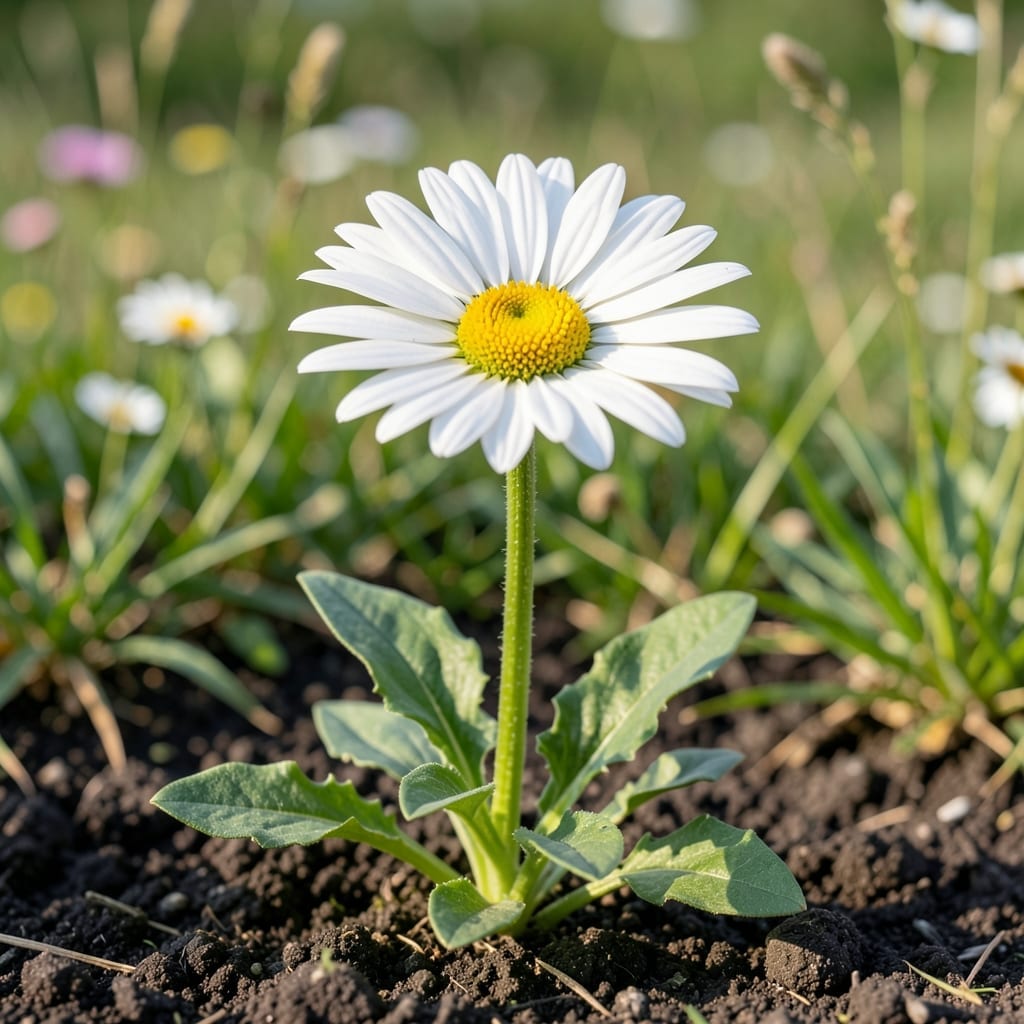
Watching your Daisy 🌼 burst into bloom is one of the joys of gardening, but timing their vibrant display requires knowing their natural cycles.
Whether you’re planting Shasta, Oxeye, or English daisies, understanding their blooming periods helps you plan for continuous color all season long. These cheerful flowers bring life to any garden space.
From spring to early fall, daisies can transform your outdoor area into a picturesque scene. The key is knowing when each variety will show its best colors.
Discover how to make the most of your daisy’s blooming time and keep your garden looking its best for months on end.
If you’re wondering when your daisies will burst into color, the answer depends on the variety. Most common daisies like Shasta daisies bloom from early summer to early fall, typically June through September. 🌼
Oxeye daisies follow a similar pattern but may start blooming slightly earlier in late spring. Meanwhile, English daisies often bloom in spring and fall, offering two seasonal shows. Regional climates play a huge role too. 🌿
| Variety | Blooming Period | Key Notes |
|---|---|---|
| Shasta Daisy | June – September | Long-lasting, repeats with care |
| Oxeye Daisy | May – August | Early starter, spreads easily |
| English Daisy | April-May, September | Biannual blooms, cool-weather lover |
| Gerbera Daisy | Spring to Frost | Continuous with deadheading |
| African Daisy | March – May, Fall | Drought-tolerant, prefers heat |
I’ve found that day length significantly impacts blooming. Long-day plants like most daisies thrive with 14-16 hours of sunlight, which is why they peak in summer. In cooler climates, you might see blooms 2-3 weeks later than in warmer zones. ☀️
Gerbera daisies are a standout for their long blooming season, often from spring until frost if properly deadheaded. They’re perfect for gardeners wanting non-stop color. Just be sure to plant them in well-draining soil to prevent rot. 🪴
For African daisies, the pattern shifts. These beauties prefer warmer temperatures and can bloom almost year-round in mild climates. They typically take a break during the hottest summer months, then rebound in fall. 🌡️
In my experience, succession planting works wonders. Start Oxeye daisies early, then add Shasta varieties for mid-summer color, and finish with fall-blooming types. This creates a continuous display from spring to frost. ✂️
Remember that first-year plants may have shorter bloom periods as they establish roots. By the second year, you’ll typically see full, robust blooming that matches the variety’s typical pattern. 🌱
Microclimates in your garden can create variations too. A sunny south-facing spot might see daisies bloom 1-2 weeks earlier than a shadier north side. Observing these patterns helps me plan my garden layout for maximum impact. 🌳
Finally, don’t forget that deadheading can encourage second blooms for many varieties. I make it a habit to remove spent flowers regularly, which often prompts the plant to produce more buds. This simple practice can extend your daisy season significantly. 🌻
I’ve discovered several proven techniques to keep daisies blooming longer in my garden. The secret often lies in consistent deadheading, which prevents seed formation and encourages new flower production. 🌼
Proper watering is equally crucial. I maintain 1 inch of water weekly, ensuring the soil stays moist but well-drained. Overwatering can lead to root rot, which stunts blooming. 💧
I always recommend balanced fertilization to support blooming. A 5-10-10 blend applied every 4-6 weeks gives my daisies the nutrients they need without overfeeding.
Succession planting creates a non-stop daisy show. I start with Oxeye daisies in spring, then add Shasta daisies for summer color, and finish with fall-blooming varieties. This approach keeps my garden in constant bloom for months. 🌿
Don’t overlook the power of proper spacing. Crowded plants compete for sunlight and nutrients, which reduces blooming. I give each mature daisy about 18-24 inches of space to thrive. ✂️
Finally, I find that mulching helps maintain consistent soil moisture and temperature. A 2-3 inch layer of organic mulch around the base of my daisies keeps their roots happy and encourages longer blooming periods. 🪴