
Beautiful Plants For Your Interior
Beautiful Plants For Your Interior
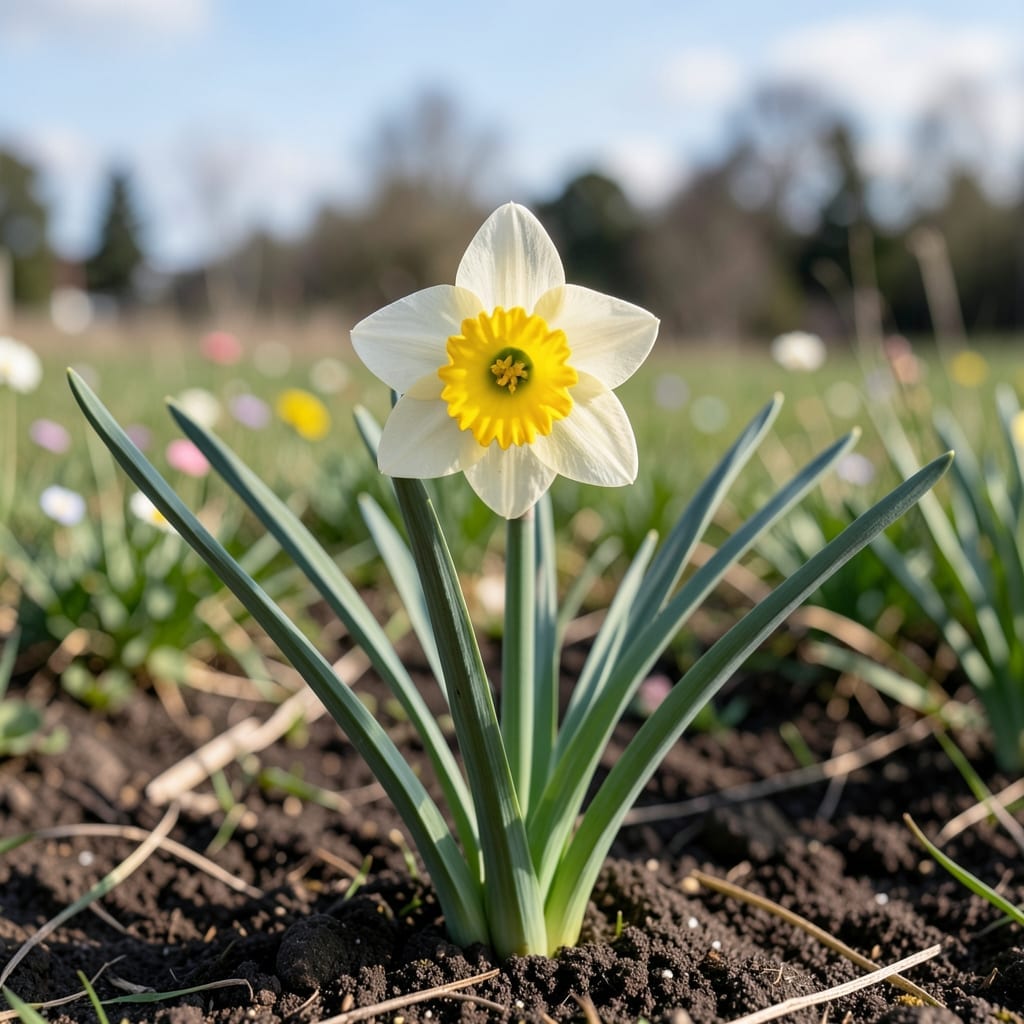
Nothing beats the joy of seeing cheerful daffodils signaling spring’s arrival. Their blooming period varies, making timing tricky for gardeners.
The 🌼 Daffodil typically flowers between February and April, but this depends on your climate and planting choices. Understanding these factors helps you plan better.
I’ll share how variety, location, and care influence when your daffodils will burst into color. Small adjustments can make a big difference.
Discover how to extend or shift their blooming window for a longer, more vibrant display in your garden.
I love how daffodils bring the first splash of color to spring gardens. Their blooming time varies by type, but most kick off the season between February and April. Early varieties like ‘February Gold’ can start as soon as late winter in warmer zones.
For mid-season daffodils, expect flowers from March to early April. Cultivars like ‘Ice Follies’ or ‘Tête-à-Tête’ are popular choices that thrive in USDA zones 4-8. These are perfect for extending the display after early bloomers fade.
| Variety Type | Bloom Time | USDA Zones |
|---|---|---|
| Early Season | Feb – Early March | 3-8 |
| Mid Season | March – Early April | 4-8 |
| Late Season | April – May | 5-8 |
| Tazetta | Late March | 8-11 |
Late-season daffodils like ‘Actaea’ or ‘Poeticus’ often bloom from April through May, especially in cooler climates. These are ideal for gardeners who want to extend their daffodil season as long as possible.
In warmer regions like USDA zone 8-11, Tazetta daffodils are stars. Varieties such as ‘Paperwhite’ can bloom as early as December or January if planted in fall. These are perfect for mild winter areas.
For cold climates in zones 3-5, daffodils typically bloom later. You might see flowers from April to May, depending on snow melt and soil warmth. ‘Carlton’ is a reliable choice here.
I always recommend planting a mix of early, mid, and late varieties. This way, you can enjoy continuous blooms for up to 3 months in spring. It’s like having a living calendar in your garden.
Miniature daffodils like ‘Jetfire’ often bloom 1-2 weeks earlier than standard types. Their compact size makes them great for containers or front borders.
If you’re in zone 7, you might see reblooming daffodils like ‘Silver Chimes’ produce a second flush of flowers in fall under ideal conditions. This is rare but a delightful surprise!
Remember, soil temperature is key. Bulbs need 12-16 weeks of chilling below 48°F to trigger blooming. In warmer areas, you may need to pre-chill bulbs before planting.
By selecting diverse varieties and understanding your local climate, you can create a daffodil display that lasts from the first thaw to the heart of spring 🌼
I’ve found that temperature fluctuations and sunlight exposure play huge roles in when your daffodils will bloom. Warmer climates often see earlier blooms, sometimes as early as late winter, while colder zones may not see flowers until mid-spring.☀️
The planting depth of your bulbs also matters. I recommend 6 inches deep in well-draining soil for optimal results. Too shallow, and they may bloom too early; too deep, and they might miss their window entirely.
If you’re in USDA zones 7-8, you might see daffodils as early as February. In zones 3-5, expect blooms closer to April. I’ve noticed that microclimates in your yard can create variations too.
To adjust bloom times, try planting some bulbs in sunnier spots and others in partial shade. This can staggered your display by 1-2 weeks. Also, mulching helps regulate soil temperature for more consistent flowering.
I always remind gardeners that bulb quality affects flowering. Larger, healthier bulbs tend to produce earlier and more abundant blooms than smaller ones. It’s worth investing in premium bulbs for reliable results.
Finally, watering during the fall helps roots establish before winter. I aim for 1 inch per week until the ground freezes. This prep work ensures your daffodils are ready to burst into color come spring.🌱