
Beautiful Plants For Your Interior
Beautiful Plants For Your Interior
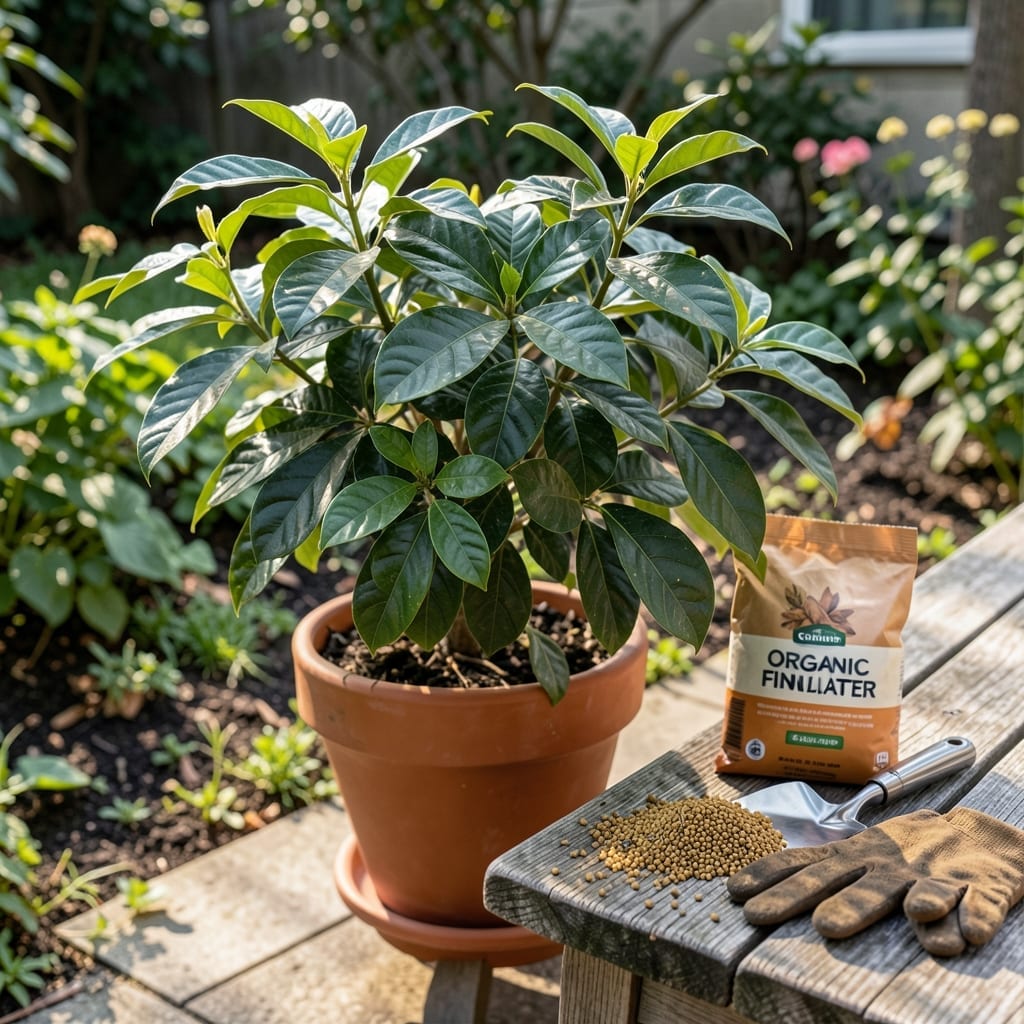
Struggling with stunted 🌿 Curry Leaf plants that just won’t thrive? The right fertilizer can be the game-changer you’ve been missing.
I’ve seen firsthand how proper feeding transforms weak, sparse foliage into a lush, aromatic powerhouse. Whether you’re growing in containers or garden beds, nutrition makes all the difference.
What many gardeners overlook is timing and balance—apply too much or at the wrong stage, and you risk harming your plant. I’ll show you how to do it right.
Discover the best organic and synthetic options, plus a simple schedule to keep your Curry Leaf flourishing year-round in zone 9b.
I’ve found that curry leaf plants thrive with the right nutrient boost, and organic fertilizers are my top choice for sustainable growth. They improve soil health while providing essential nitrogen, phosphorus, and potassium without harsh chemicals. 🌱
Among the best options, compost and vermicompost stand out for their rich organic matter. They enhance soil structure and water retention, which is critical for curry leaf plants in dry climates. 🌿
| Fertilizer | Nutrient Profile | Application Method |
|---|---|---|
| Compost | Balanced NPK, rich in micronutrients | Mix into soil or use as top dressing |
| Vermicompost | High in nitrogen, improves soil aeration | Work into topsoil or brew as compost tea |
| Neem Cake | Rich in nitrogen, acts as a natural pesticide | Broadcast around plant base and water in |
| Wood Ash | High in potassium, raises soil pH slightly | Sprinkle lightly on soil, avoid overuse |
Neem cake is another favorite because it doubles as a natural pest repellent. It’s especially useful if your curry leaf plant is prone to aphids or fungal issues. I apply it every 6-8 weeks for consistent benefits. ✂️
For a quick potassium boost, I turn to wood ash. It’s perfect for plants showing weak stems or yellowing leaves. However, use it sparingly as it can alter soil pH if overapplied. 🌳
I always recommend testing your soil before choosing a fertilizer. Curry leaf plants prefer slightly acidic to neutral soil (pH 6.0-7.0). If your soil is too alkaline, amending with compost can help balance it out. 💧
Application timing matters too. I fertilize my curry leaf plants in early spring to kickstart growth and again in early fall to prepare for dormancy. Avoid fertilizing in winter when the plant is inactive. ☀️
For container-grown plants, I use a liquid fertilizer like compost tea every 4-6 weeks. It’s gentle and provides immediate nutrients without the risk of root burn. 🪴
If you notice slow growth or pale leaves, it might be a sign of nitrogen deficiency. A top dressing of vermicompost usually resolves this within a few weeks. Always water your plant before and after applying fertilizer to prevent root shock. 🌱
Remember, over-fertilizing can be just as harmful as under-fertilizing. Stick to the recommended amounts and observe your plant’s response. Healthy curry leaf plants reward you with lush, aromatic foliage year-round. 🌿
Timing your curry leaf fertilizer application can make or break your plant’s growth. I always recommend feeding in early spring to kickstart new foliage, then again in summer to maintain vigor.
For container plants, use a balanced 10-10-10 fertilizer every 6-8 weeks. Ground-planted shrubs can handle slightly heavier doses but always water deeply afterward.
I’ve found that light feeding in March and April encourages bushier growth, while a full dose in September preps the plant for winter. Always adjust based on your plant’s response.
If you notice yellowing leaves or stunted growth, it might be a sign of nutrient deficiency. But don’t rush to fertilize—check your soil pH first. Curry leaf plants prefer slightly acidic to neutral soil.
For organic gardeners, compost tea or vermicompost works wonders. Apply every 4-6 weeks during the growing season for a slow, steady nutrient release.
Remember, less is often more with fertilizers. Overdoing it can lead to leaf burn or excessive foliage at the expense of aroma. Stick to the schedule, and your curry leaf plant will reward you with lush, fragrant growth 🌿