
Beautiful Plants For Your Interior
Beautiful Plants For Your Interior
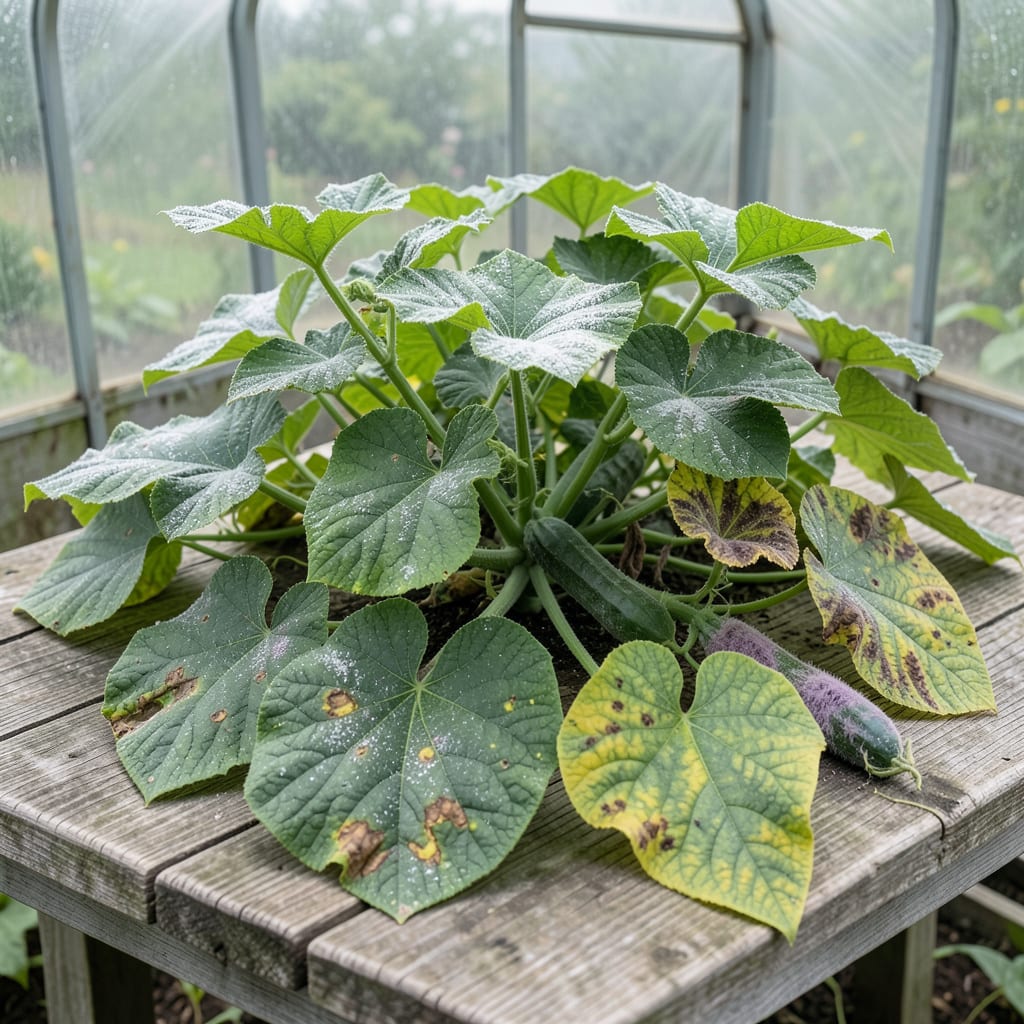
Spotted something odd on your cucumber leaves this morning? I’ve been there—watching healthy vines turn yellow or develop strange spots overnight feels like a personal betrayal. The good news is most cucumber diseases announce themselves with clear visual symptoms if you know what to look for.
From powdery mildew’s white dust to bacterial wilt’s sudden collapse, each problem leaves a distinct fingerprint. I’ve learned to diagnose issues faster by comparing what I see in the garden to reference images of common diseases—saving me from losing entire crops.
Early detection means organic remedies often work. Copper sprays, neem oil, or even removing infected leaves can stop the spread. The key is matching symptoms to solutions before the damage becomes irreversible.
Whether it’s downy mildew or cucumber mosaic virus, knowing the enemy is half the battle. Here’s how to identify and treat what’s attacking your plants.
Understanding the root causes of cucumber plant diseases helps you prevent them before they start. Below are the primary triggers, each backed by science and practical insights.
Fungi like Pseudoperonospora cubensis (downy mildew) and Erysiphe cichoracearum (powdery mildew) thrive in high humidity and poor air circulation. Overhead watering or crowded plantings create a damp environment, allowing spores to germinate and spread. Cucumbers are especially vulnerable during cool, rainy seasons.
Insects such as aphids, cucumber beetles, and spider mites don’t just feed on plants—they transmit viral diseases like Cucumber Mosaic Virus (CMV). Physical wounds from pests or improper pruning also invite bacterial infections like Pseudomonas syringae, which causes angular leaf spot.
Extreme temperatures, drought, or nutrient deficiencies (e.g., low calcium) weaken cucumber plants, making them susceptible to diseases. Heat stress can trigger blossom end rot, while cold snaps slow growth, leaving plants vulnerable to opportunistic pathogens.
Bacteria like Ralstonia solanacearum (bacterial wilt) persist in contaminated soil or infected debris. Poor drainage exacerbates root rot (Phytophthora spp.), as waterlogged soil suffocates roots and fosters fungal growth.
Actionable tip: Rotate crops, improve airflow, and use drip irrigation to reduce moisture-related diseases.
Dealing with cucumber plant diseases doesn’t have to be overwhelming. Below are targeted solutions for common issues, paired with prevention tips to keep your plants thriving. 🌱
Remove infected leaves immediately to stop the spread. Mix 1 tablespoon baking soda + 1 teaspoon dish soap + 1 gallon water and spray weekly. Prevention: Space plants 18–24 inches apart for better airflow, and water at the base to avoid wet foliage.
Apply a copper-based fungicide at the first sign of yellow spots or fuzzy growth. Remove and destroy affected leaves. Prevention: Rotate crops yearly and avoid overhead watering to reduce humidity around leaves.
Handpick beetles in the morning and drop them in soapy water. For larger infestations, dust plants with kaolin clay to deter pests. Prevention: Use floating row covers early in the season to block beetles from laying eggs.
Pull and destroy wilted plants immediately to prevent spread. Since beetles transmit the bacteria, manage their population (see above). Prevention: Plant resistant varieties like ‘Diva’ or ‘Sweet Success’ and clean garden debris thoroughly.
Prune infected leaves and apply a neem oil or sulfur-based fungicide. Prevention: Mulch with straw to prevent soil splashing onto leaves, and avoid working with wet plants.
Pro Tip: 💡 Inspect plants weekly for early signs of disease. Catching issues early makes treatment far easier!
Look for white, powdery spots on upper leaf surfaces. These spread quickly in humid conditions and can cover entire leaves. Early detection is key to stopping the spread.
Sudden wilting often signals bacterial wilt, spread by cucumber beetles. Check for striped beetles first—remove them immediately. Infected plants usually don’t recover.
Yes! Mix 1 tablespoon baking soda + 1 teaspoon dish soap + 1 gallon water and spray weekly. Improve airflow and avoid overhead watering for best results.
Mulch with straw to prevent soil splashing onto leaves. Apply neem oil preventatively and avoid working with wet plants. Sanitation is crucial.
