
Beautiful Plants For Your Interior
Beautiful Plants For Your Interior
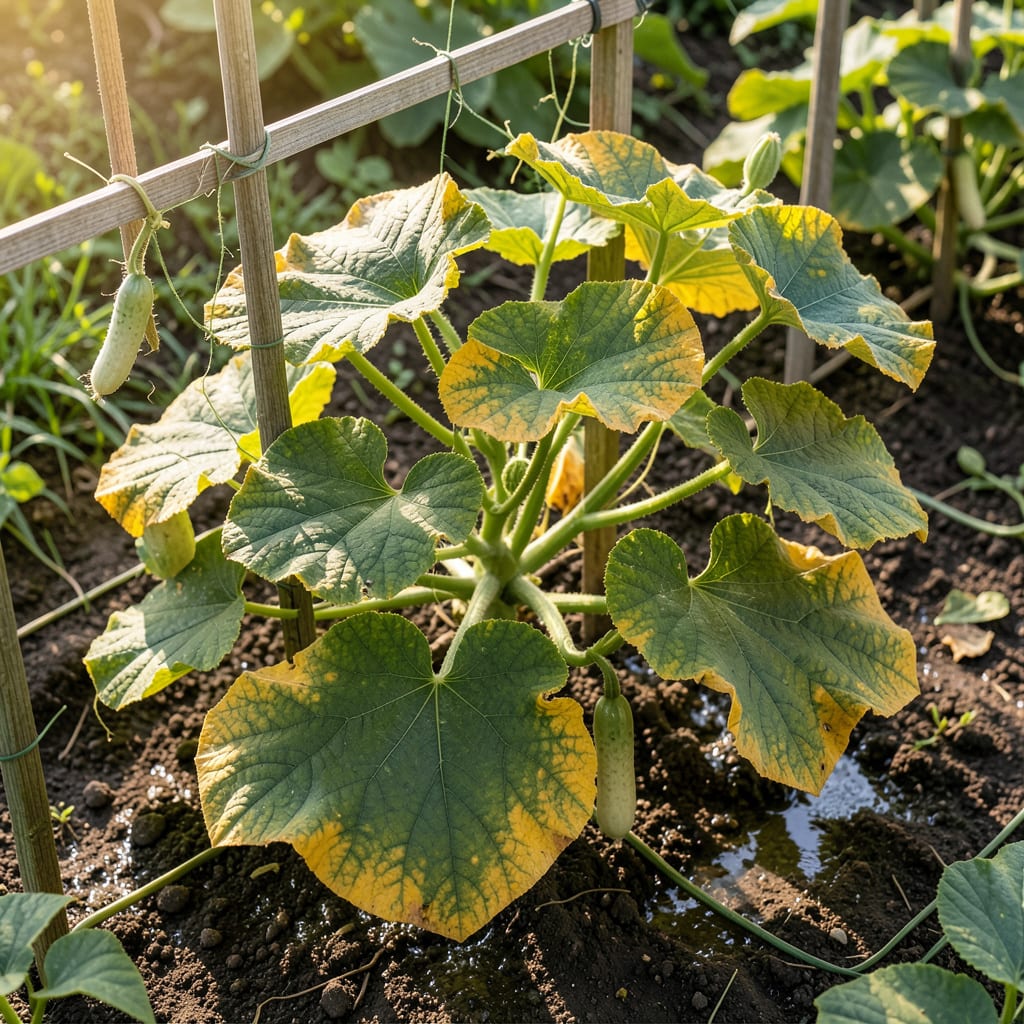
Yellow cucumber leaves don’t always mean disaster. I’ve seen this exact issue turn around in 48 hours with the right adjustments to water and light.
Most cases come down to simple imbalances—too much water, not enough light, or both. The fix usually involves checking soil moisture at root level and ensuring plants get 6-8 hours of direct sun daily.
Once you correct the conditions, new growth emerges green and healthy within a week. The key is catching it early before the plant’s energy drops too low.
This approach works for container and in-ground plants alike. Let’s get your vines back on track.
Yellowing cucumber leaves often signal underlying issues that disrupt chlorophyll production or nutrient flow. Below are the most frequent causes, explained with actionable insights.
Excess moisture suffocates roots, reducing oxygen uptake and causing root rot. This prevents the plant from absorbing nutrients like nitrogen and magnesium, leading to yellow leaves. Check soil moisture 2 inches deep—if soggy, reduce watering and improve drainage with perlite or sand.
Cucumbers need 6–8 hours of sunlight daily. Too little light slows photosynthesis, starving leaves of energy and causing chlorosis (yellowing). Conversely, intense sunlight can scorch leaves, especially in hot climates. Use shade cloth for afternoon sun or relocate plants to a sunnier spot if needed.
Yellow leaves often point to nitrogen, potassium, or magnesium shortages. Nitrogen deficiency starts with lower leaves turning pale, while magnesium shortage causes interveinal yellowing (green veins, yellow tissue). Test soil and amend with balanced fertilizer (10-10-10) or Epsom salt (for magnesium).
Sap-sucking pests like aphids, spider mites, or whiteflies drain nutrients from leaves, causing yellowing and stunted growth. Inspect leaf undersides for tiny insects or webbing. Treat with neem oil or insecticidal soap weekly until pests are gone.
Pathogens like powdery mildew or bacterial leaf spot disrupt leaf function. Powdery mildew appears as white powder, while bacterial spot causes yellow halos around brown lesions. Improve air circulation, avoid overhead watering, and apply copper fungicide preventatively.
Don’t panic—yellow cucumber leaves are usually fixable! Below are targeted solutions for the most common causes, plus simple prevention tips to keep your plants thriving.
Let the soil dry slightly between waterings. Stick your finger 1 inch deep—if it’s damp, hold off. Ensure pots have drainage holes, and use well-draining soil. Prevention tip: Water in the morning to reduce evaporation and fungal risks. 💡 Use a moisture meter for precision!
If leaves are bleached or crispy, provide afternoon shade with a cloth or relocate pots. Young seedlings are especially sensitive. Prevention tip: Gradually acclimate plants to full sun over a week to avoid shock.
Yellowing between leaf veins often signals nitrogen or magnesium deficiency. Use a balanced, water-soluble fertilizer (10-10-10) every 2–3 weeks. For magnesium, sprinkle Epsom salt (1 tbsp/gallon of water) at the base. Prevention tip: Mix compost into soil before planting for slow-release nutrients.
Check undersides of leaves for aphids or spider mites. Blast them off with water or use insecticidal soap. For fungal issues (like powdery mildew), remove affected leaves and apply neem oil. Prevention tip: Space plants for airflow and avoid wetting leaves when watering.
Cucumbers love 70–90°F. Below 50°F or sudden drops can cause yellowing. Use row covers for warmth or move pots indoors at night. Prevention tip: Mulch soil to regulate temperature and retain moisture.
With these fixes, your cucumbers should bounce back in 1–2 weeks. Stay consistent, and happy growing! 🌿
Water deeply when the top 1-2 inches of soil feel dry. In hot weather, this may mean watering every 2-3 days. Always check soil moisture first to avoid overwatering.
First, check for pests and remove any affected leaves. Then adjust watering and light exposure. Adding a balanced fertilizer can speed up recovery in 1-2 weeks.
Severely damaged leaves won’t recover, but new growth will be green if you fix the underlying issue. Focus on improving plant health rather than trying to revive yellow leaves.
Yes, as long as the cucumbers themselves look healthy. Yellow leaves don’t affect the fruit’s safety or taste. Just address the leaf issue to keep your plant productive.
