
Beautiful Plants For Your Interior
Beautiful Plants For Your Interior
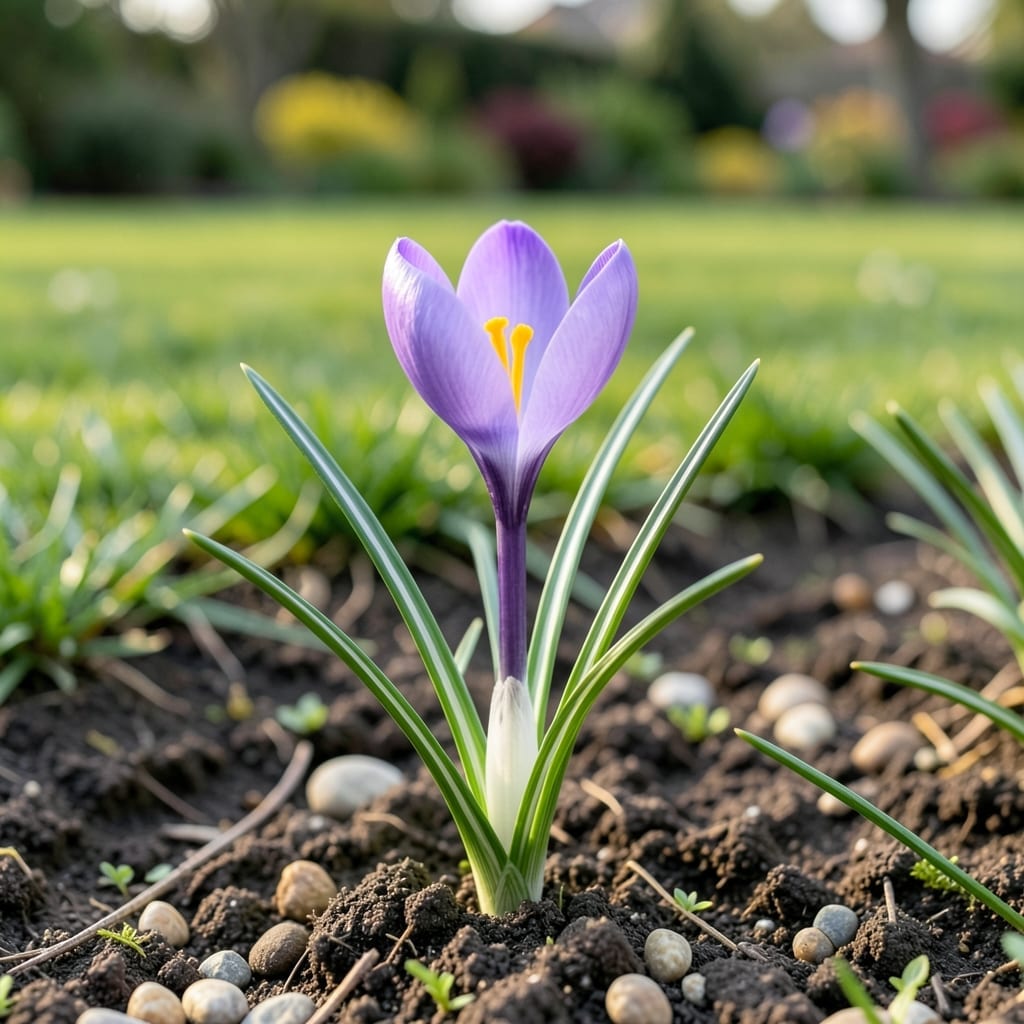
There’s something magical about seeing those first crocus 🌷 blooms pushing through the cold earth. It’s nature’s way of saying spring is on the horizon.
But when exactly should you expect these colorful heralds to appear? The timing isn’t as straightforward as you might think. Different species and climates can shift the schedule significantly.
Discover how to predict your crocus bloom time and learn simple tricks to extend their vibrant display in your garden. Let’s dig into the details.
I always get excited when I see the first crocus blooms pushing through the soil. These early risers often appear when winter’s grip is just beginning to loosen, bringing much-needed color to the garden.
Most crocuses bloom in late winter to early spring, typically between February and April. However, the exact timing depends heavily on your climate zone and the specific variety you’ve planted
| Variety | Bloom Time | USDA Zones |
|---|---|---|
| Crocus vernus | March-April | 3-8 |
| Crocus chrysanthus | Feb-March | 3-8 |
| Crocus tommasinianus | Feb-March | 3-8 |
| Crocus sativus | Fall | 6-9 |
In warmer zones like 7-8, you might see blooms as early as January. Cooler areas in zones 3-5 typically see flowers in March or April. The snow crocus often appears first, sometimes even pushing through snow.
The Dutch crocus tends to bloom slightly later than the snow crocus, usually in mid to late spring. This timing variation allows you to create a staggered display in your garden if you plant multiple types.
For the most consistent results, I recommend planting crocus corms in fall, about 6-8 weeks before the ground freezes. This gives them time to establish roots before winter dormancy.
Sun exposure also plays a role. Crocuses in full sun positions often bloom 1-2 weeks earlier than those in partial shade. South-facing slopes tend to warm up faster in spring.
If you’re in an area with mild winters, you might need to choose late-blooming varieties. These are bred to require less chilling time and perform better in warmer climates.
I’ve found that mulching with a light layer of leaves or straw can help regulate soil temperature. This is especially helpful in areas with temperature fluctuations that might confuse the bulbs.
Remember that first-year plantings might bloom slightly later than established clumps. It takes time for the corms to settle in and build up energy for those vibrant spring displays 🌷
I love finding ways to make my crocus display last longer each spring. With a few simple techniques, you can enjoy these cheerful blooms for weeks instead of days.
Staggered planting is my favorite method. By planting different crocus varieties with varying bloom times, you can create a continuous show from late winter through early spring.
The lasagna planting method works wonderfully with crocuses. I plant the latest bloomers deepest, then layer earlier varieties above them. This creates a natural succession of blooms as the soil warms.
Another trick is to plant in different locations around your garden. Crocuses near a sunny wall or pavement will bloom earlier than those in shadier, cooler spots. This natural variation extends your bloom season.
For container growing, I use well-draining pots and move them to warmer spots when I want to encourage earlier blooming. Then I can move them to cooler areas to slow down the process.
Remember that consistent moisture during the growing season helps crocuses perform their best. I water when the top inch of soil feels dry, especially in early spring when they’re actively growing 🌷