
Beautiful Plants For Your Interior
Beautiful Plants For Your Interior
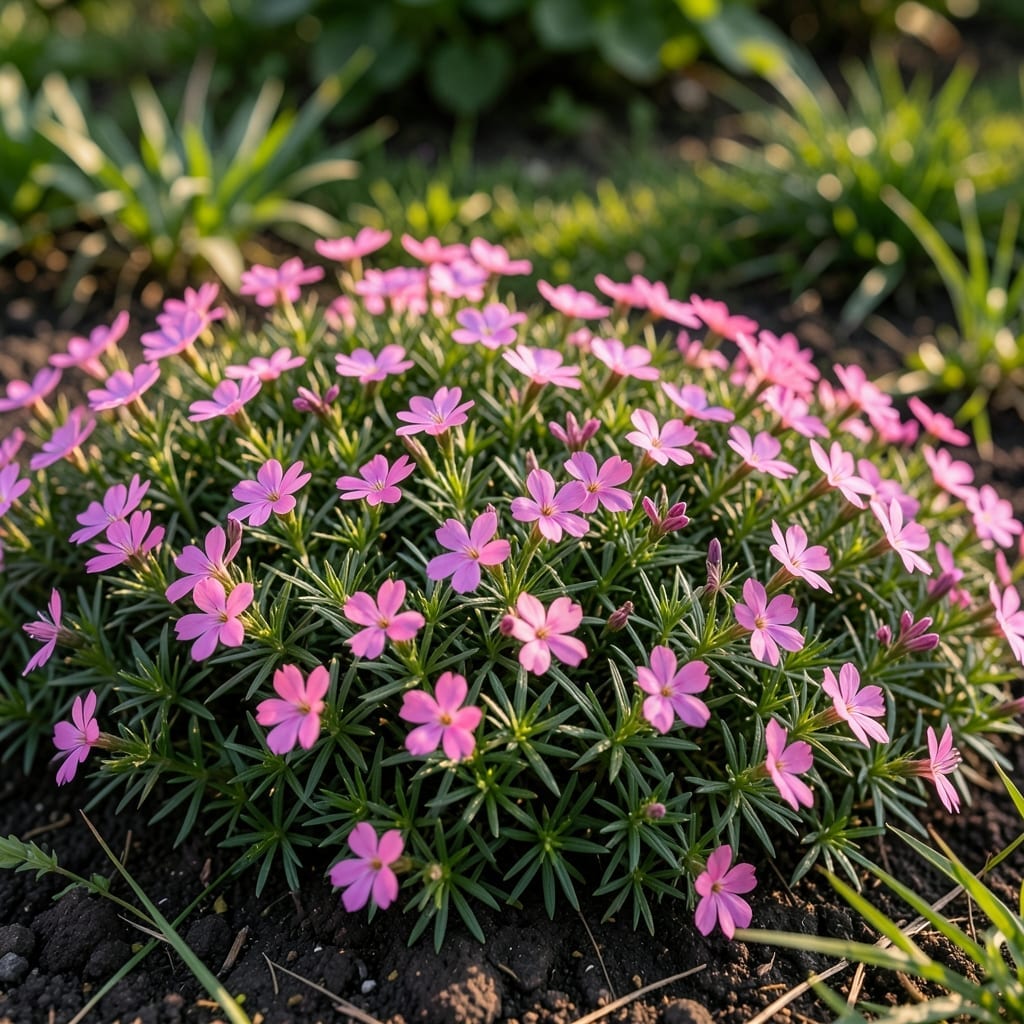
Creeping phlox is often celebrated for its vibrant spring blooms in full sun, but did you know some varieties thrive just as beautifully in shade? Transform your dim garden corners with the 🌸 low-light champions.
These shade-tolerant types deliver color and ground cover where other plants struggle. I’ve tested several varieties in my own garden, and the results were stunning.
With the right approach, you can enjoy lush growth and vibrant blooms even in the shadiest spots. Let me show you how to make it happen.
Discover the best creeping phlox varieties for shade and learn the secrets to their success.
 Best Window Placement
If you think creeping phlox only thrives in full sun, think again! I’ve found several shade-tolerant varieties that bring vibrant color to those tricky low-light spots in your garden.
These low-maintenance ground covers not only survive but flourish under trees or along north-facing walls, offering spring blooms and lush foliage where other plants falter. 🌿
| Variety | Bloom Color | Shade Tolerance | Height |
|---|---|---|---|
| Emerald Blue | Vibrant purple-blue | Full to partial shade | 4-6 inches |
| White Delight | Pure white | Partial to full shade | 4-6 inches |
| Lilac Cloud | Soft lavender | Partial shade | 5-7 inches |
| Sherwood Purple | Deep magenta | Partial shade | 6 inches |
Emerald Blue is my top pick for deep shade, as it maintains its vibrant color even with minimal sunlight. Its spreading habit creates a stunning carpet of purple-blue blooms in early spring.
White Delight offers a crisp contrast in shady areas, and its fragrant flowers attract early pollinators. It’s perfect for brightening up dark corners under trees or along fences. 🌸
Lilac Cloud is ideal for partial shade and adds a soft, dreamy touch to garden borders. I love how its pastel blooms pair beautifully with ferns and hostas.
For those with dappled sunlight, Sherwood Purple is a robust choice. It tolerates dry shade once established, making it great for rock gardens or slopes.
Each of these varieties thrives in well-draining soil and requires minimal care. I recommend planting in early spring or fall to give roots time to establish before extreme weather.
Remember, even shade-loving phlox needs consistent moisture during its first growing season. Once established, these plants are drought-tolerant and low-maintenance.
To maximize blooms, I suggest a light application of balanced fertilizer in early spring. This gives your phlox the nutrients it needs without encouraging excessive foliage growth.
Creeping phlox isn’t just a sun-loving plant—it can flourish in shady gardens too with the right care. I’ve found that partial shade (3-6 hours of light) brings out the best in many varieties, while full shade works for some if the soil stays moist.
Start by preparing the soil with plenty of organic compost to improve drainage. These plants hate soggy roots, so well-draining soil is non-negotiable, even in shade.
In shady spots, morning watering is crucial to prevent fungal issues. I use a soaker hose to keep foliage dry, which is especially important in low-light areas where air circulation is limited.
For fertility, less is more with creeping phlox. I apply a slow-release fertilizer just once in early spring. Over-feeding can lead to leafy growth but fewer blooms, which defeats the purpose.
Pruning is simple—just trim back after flowering to encourage bushier growth. In shade, you might find the bloom period extends slightly longer than in full sun.
Finally, watch for powdery mildew in humid shade. Good air circulation and proper spacing help prevent this common issue. With these tips, your shade phlox will reward you with vibrant color where other plants fail. 🌿