
Beautiful Plants For Your Interior
Beautiful Plants For Your Interior
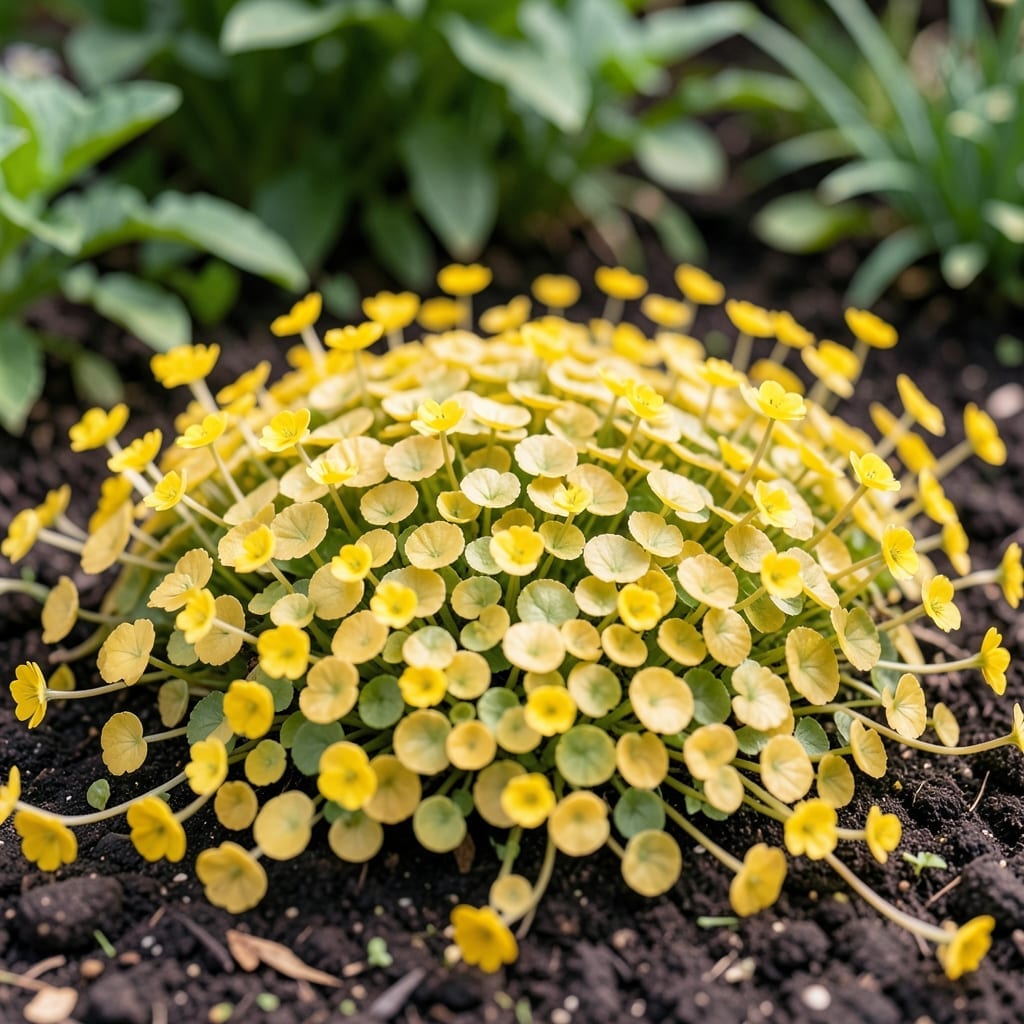
That golden glow of Creeping Jenny 🌿 can fade fast when the sun beats down relentlessly. I’ve seen it happen—vibrant foliage turning dull or worse, scorched by too much direct light.
But here’s the good news: with the right approach, this hardy ground cover can thrive even in full sun. It’s all about understanding its needs and making small adjustments.
I’ll walk you through the essentials, from watering schedules to soil prep, so your Creeping Jenny stays lush and radiant. No guesswork, just proven strategies.
Discover how to keep this beauty at its best, even when the sun is at its harshest. Let’s get started.

I’ve found that Creeping Jenny thrives in full sun when given the right conditions. This hardy ground cover can handle 6+ hours of direct sunlight daily, but its golden foliage may fade or scorch without proper care.
In my experience, the plant’s sun tolerance improves with consistent moisture. Its leaves turn a deeper gold in brighter light, but too much intensity without hydration leads to stress.
| Requirement | Specification |
|---|---|
| Sun Exposure | 6+ hours daily |
| Foliage Change | Darker gold in bright light |
| Moisture Need | Consistently moist soil |
| Heat Tolerance | Better with acclimation |
I notice that Creeping Jenny often shows leaf scorch when exposed to intense afternoon sun without adequate water. The edges of the leaves turn brown, which is a clear sign of stress.
To prevent this, I recommend morning watering to keep the soil moist. This helps the plant withstand the heat of the day without losing its vibrant color.
Another adaptation I’ve observed is that partial shade during the hottest part of the day can help maintain the foliage’s luster. This is especially important in regions with extreme summer temperatures.
I’ve also seen that well-draining soil is crucial. While Creeping Jenny loves moisture, soggy conditions can lead to root rot, which is just as harmful as drought.
The plant’s spreading habit allows it to form a dense mat, which helps retain soil moisture. This natural mulch effect can be a game-changer in full sun gardens.
In my garden, I pair Creeping Jenny with companion plants like hostas or ferns. These taller plants provide dappled shade, reducing the intensity of direct sunlight.
Finally, I’ve learned that regular pruning encourages healthier growth. Trimming back leggy stems helps the plant focus its energy on producing vibrant, sun-tolerant foliage.
With these adaptations, Creeping Jenny can truly shine in full sun conditions ☀️
While Creeping Jenny tolerates shade, I’ve found it can thrive in full sun with the right approach. The key is consistent moisture to prevent leaf scorch and maintain that vibrant golden color. Without proper care, the foliage can fade or crisp under intense light. ✂️
Here’s how I keep my Lysimachia nummularia looking its best in sunny spots. First, ensure your soil stays evenly moist but well-drained. This plant hates soggy roots as much as it dislikes dry, cracked earth. 💧
The mulching tip is non-negotiable in my garden. A 2-inch layer of organic mulch keeps the soil temperature stable and reduces water evaporation by up to 50%. Straw or shredded bark work particularly well for this ground cover. 🌿
I always pair my Creeping Jenny with taller perennials like coneflowers or Russian sage. These provide natural shade during the hottest part of the day while allowing morning sun to reach the foliage. This combo prevents sunburned leaves without sacrificing light. ☀️
Remember that yellow varieties often handle sun better than green ones. If you notice brown edges or bleached spots, it’s your plant’s way of saying it needs more water or some afternoon relief from the intense rays. 🌱
Lastly, avoid over-fertilizing in hot weather. Too much nitrogen can lead to weak growth that’s more susceptible to sun damage. Stick to a balanced feed and always water before and after applying to prevent root burn.