
Beautiful Plants For Your Interior
Beautiful Plants For Your Interior
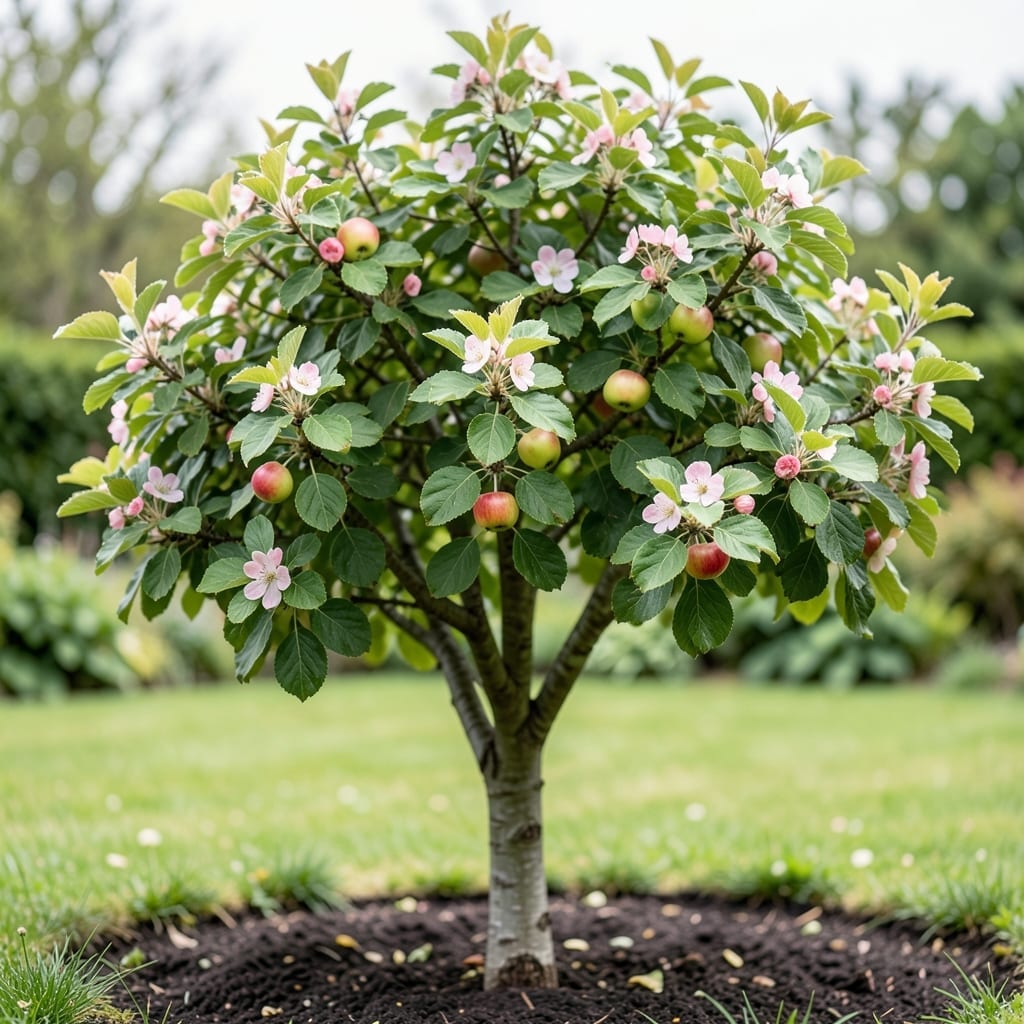
Crabapple trees can transform your landscape with their vibrant blooms and colorful fruit, but their mature size often catches gardeners off guard. Whether you’re working with a small yard or a sprawling garden, knowing how big these trees get is essential for planning.
From dwarf varieties to towering standards, the 🌳 Crabapple Tree comes in a range of sizes that fit different spaces. Some reach just 8-12 feet, while others stretch up to 30 feet tall—so choosing the right one matters.
I’ve seen too many gardeners plant without considering spread or height, only to face overcrowding later. Getting the size right from the start saves you time and frustration.
Discover how to pick the perfect crabapple for your space and learn simple ways to manage its growth as it matures.

When planning your landscape, knowing the mature crabapple tree size is crucial. These trees vary significantly, with dwarf varieties staying compact at 8-12 feet tall and standard types soaring to 30 feet. Their spread often matches their height, creating a balanced canopy.
The semi-dwarf crabapple strikes a middle ground at 12-18 feet tall, perfect for medium-sized gardens. I’ve seen these thrive in USDA zones 4-8, adapting well to different climates. Their size makes them ideal for urban yards or foundation plantings.
| Variety | Mature Height | Mature Spread |
|---|---|---|
| Dwarf | 8-12 ft | 8-12 ft |
| Semi-Dwarf | 12-18 ft | 12-15 ft |
| Standard | 20-30 ft | 15-25 ft |
For small spaces, I recommend dwarf crabapples like ‘Adams’ or ‘Sargent’. These stay under 10 feet and fit beautifully in container gardens or along walkways. Their compact size also simplifies pruning and maintenance.
Semi-dwarf varieties such as ‘Prairifire’ or ‘Snowdrift’ offer more height while remaining manageable. They’re excellent for privacy screens or focal points in residential landscapes. I’ve planted these in full sun for best results.
Standard crabapples like ‘Red Jewel’ or ‘Centurion’ demand more space but reward with dramatic spring blooms and abundant fruit. These giants need 30 feet of clearance to avoid crowding structures or power lines.
Remember, soil quality and sunlight impact growth. In poor soil, even standard varieties may stay smaller. I always amend the planting hole with compost to give them a strong start.
For urban gardens, consider columnar varieties like ‘Red Barron’. These grow tall but narrow, reaching 20 feet with just a 8-foot spread, perfect for tight spaces between buildings.
No matter the variety, annual pruning helps control size. I prune in late winter to shape the tree and remove dead or crossing branches. This keeps even large varieties looking tidy.
Finally, check the mature size tag at the nursery. It’s the most reliable way to ensure your crabapple tree fits your space. I’ve learned the hard way that impulse buys without size research lead to costly removals later.
🌳Selecting the perfect crabapple tree size starts with measuring your garden space. I always recommend leaving 10-15 feet of clearance around the trunk for standard varieties to accommodate their mature 20-30 ft height and 15-25 ft spread. 🌳
For smaller yards, dwarf crabapples like ‘Adams’ or ‘Sargent’ stay compact at 8-12 ft tall with a 10 ft spread. These fit beautifully in urban gardens or as container specimens on patios with proper root-pruning.
Consider your sunlight exposure too. Most crabapples need 6+ hours of sun daily, but some dwarf varieties tolerate partial shade. I’ve seen ‘Centurion’ thrive with just 4-6 hours of morning sun in my test garden.
Don’t forget about companion planting. Pair dwarf crabapples with perennial flowers like coneflowers or catmint for a layered look. For standard sizes, I recommend underplanting with spring bulbs that bloom before the tree leafs out.
Check your USDA zone as well. Most crabapples grow in zones 4-8, but some newer cultivars like ‘Sugar Tyme’ are hardy to zone 3. This affects their ultimate size and winter survival.
Finally, think about maintenance access. Leave enough room for pruning equipment and fruit harvesting. I always tell clients to imagine their tree at mature size with a 6-foot ladder nearby for easy care. ✂️